The medical field is undergoing a massive transformation. From automated clinical laboratory systems to advanced surgical robots, the demand for medical equipment that is both highly reliable and exceptionally precise has reached an all-time high. Behind every successful medical device lies the silent, critical power of motion control.
As we move toward a future defined by minimally invasive procedures and personalized diagnostics, engineers are facing unprecedented challenges. The need to shrink devices while increasing their power, and the requirement for “clean” motion that is completely free of vibration or noise, is driving a new wave of engineering innovation.
3 Critical Requirements for Medical-Grade Motion Control
Designing for healthcare is fundamentally different from standard industrial automation. In a hospital or clinical setting, a failure isn’t just an inconvenience; it can be a matter of patient safety.
Uncompromising Smoothness and Low Vibration
Reliability and Long-Term Stability
Medical equipment is often expected to perform for years with minimal intervention. A precision actuator used in a lab-on-a-chip system or a patient monitoring lift must maintain its original performance specs despite thousands of duty cycles. Reliability is built through robust material selection and rigorous quality control at the manufacturing level.
Cleanroom Compatibility and Material Selection
Medical devices often operate in controlled, sterile environments. Components must be resistant to corrosion and should not generate particulates. Using high-quality stainless steel, specialized surface coatings, and fully sealed housings is non-negotiable to maintain the high standards required for robotics and clinical automation.
Why Frameless Motors are Preferred in Surgical Robotics
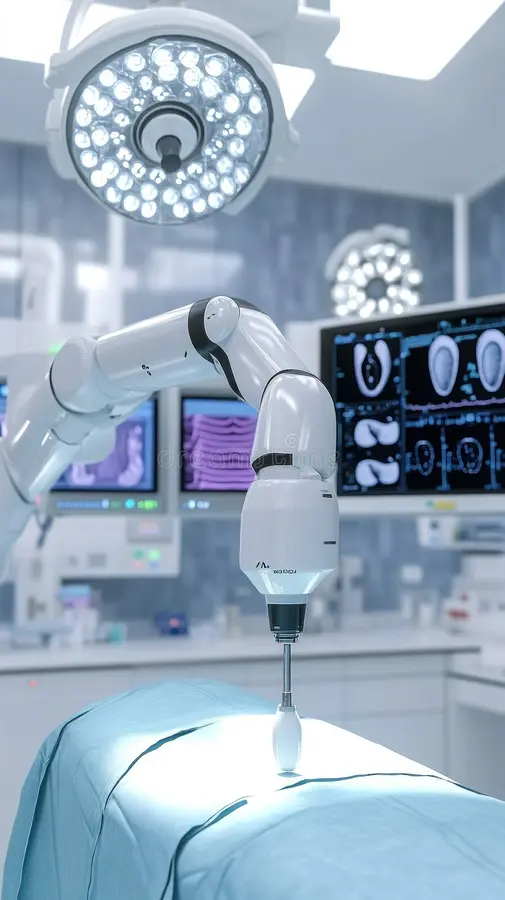
Surgical robots are the pinnacle of healthcare technology, and they rely heavily on frameless motor technology.
Achieving High Torque Density in Compact Space
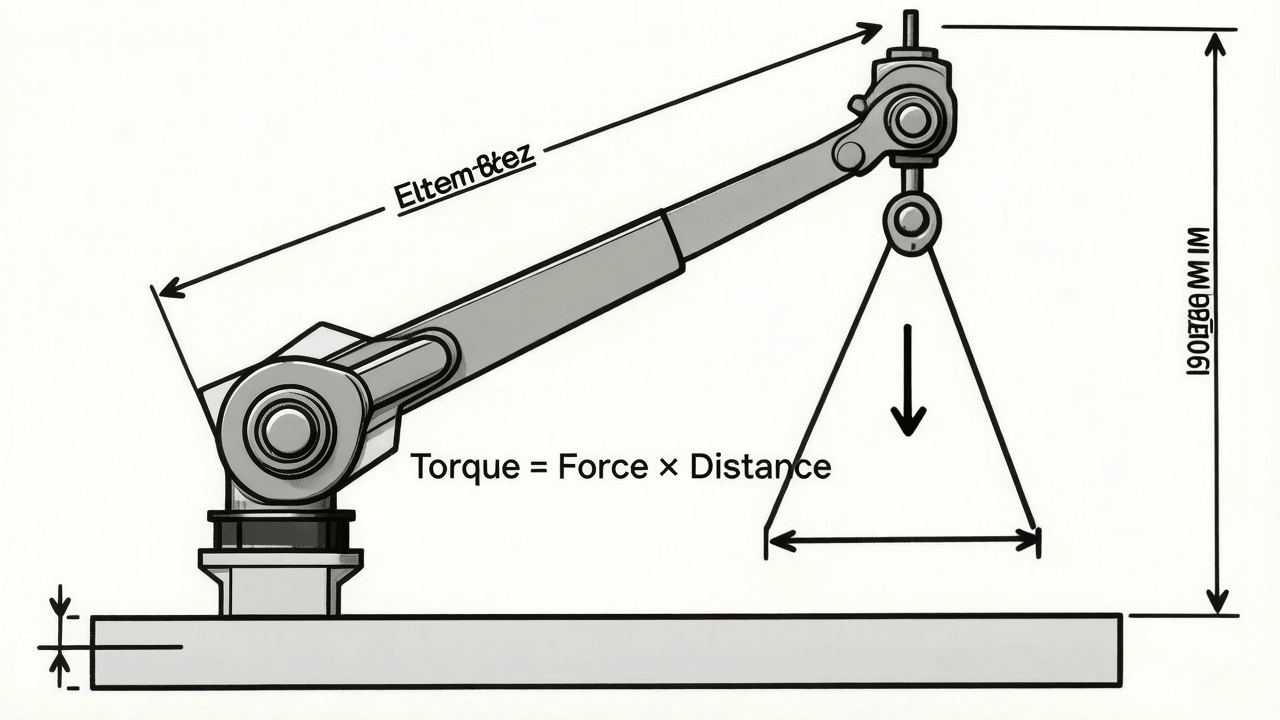
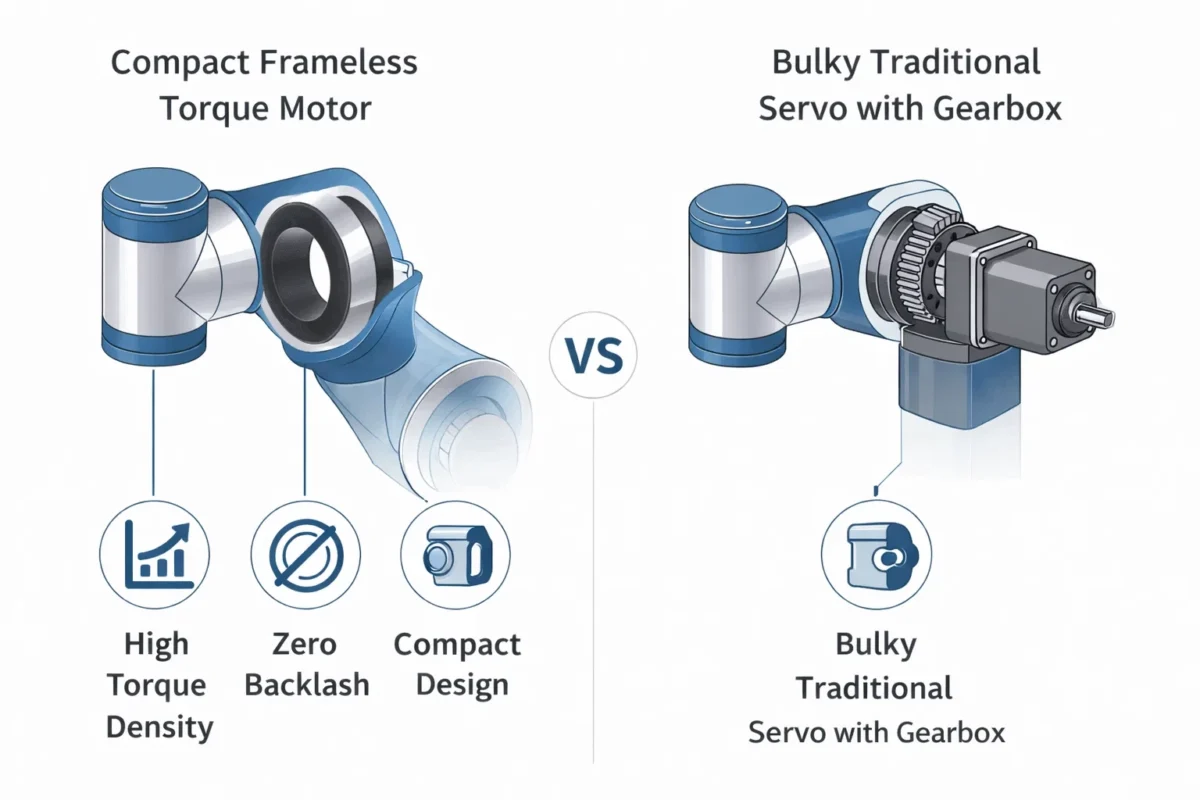
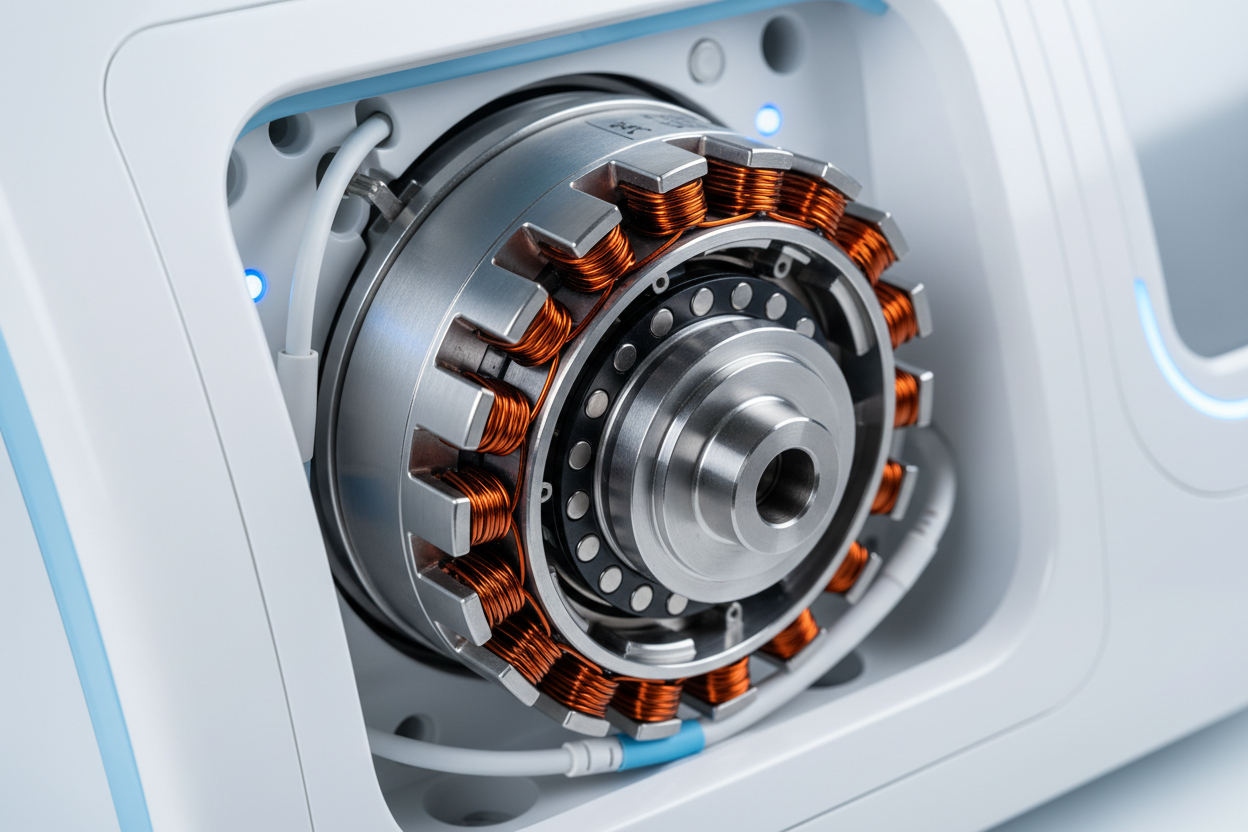
Space inside a surgical robot’s arm is extremely limited. You cannot afford to have a heavy, traditional motor taking up valuable real estate. HBM frameless torque motors offer incredible torque-to-weight ratios. Because they arrive as separate stators and rotors, designers can integrate them directly into the joint’s structure, allowing the robot to perform complex, delicate maneuvers in confined spaces.
How Low-Cogging Motors Improve Surgical Precision
“Cogging” is the jerky movement caused by magnets sticking to iron teeth. In surgery, this is unacceptable. High-performance frameless motors utilize advanced winding geometries and magnetic designs to reduce cogging to near zero, providing the smooth, fluid movement that surgeons demand.
Hollow Rotary Actuators in Diagnostic Imaging
Large-scale diagnostic equipment, such as CT and MRI scanners, requires precise, silent, and reliable rotation.
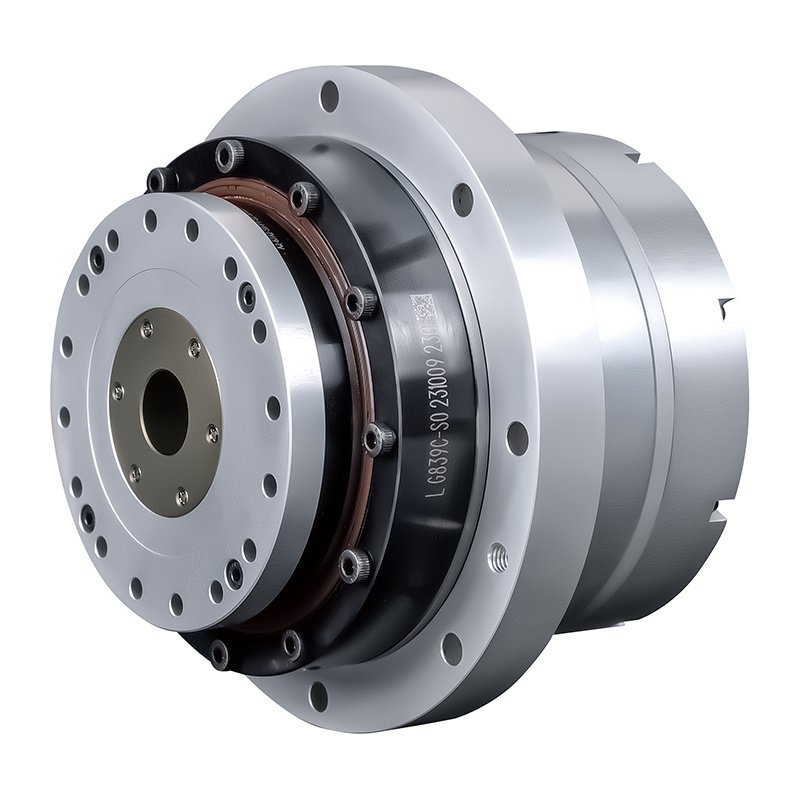 Simplifying Routing for Imaging Cables and Fiber Optics
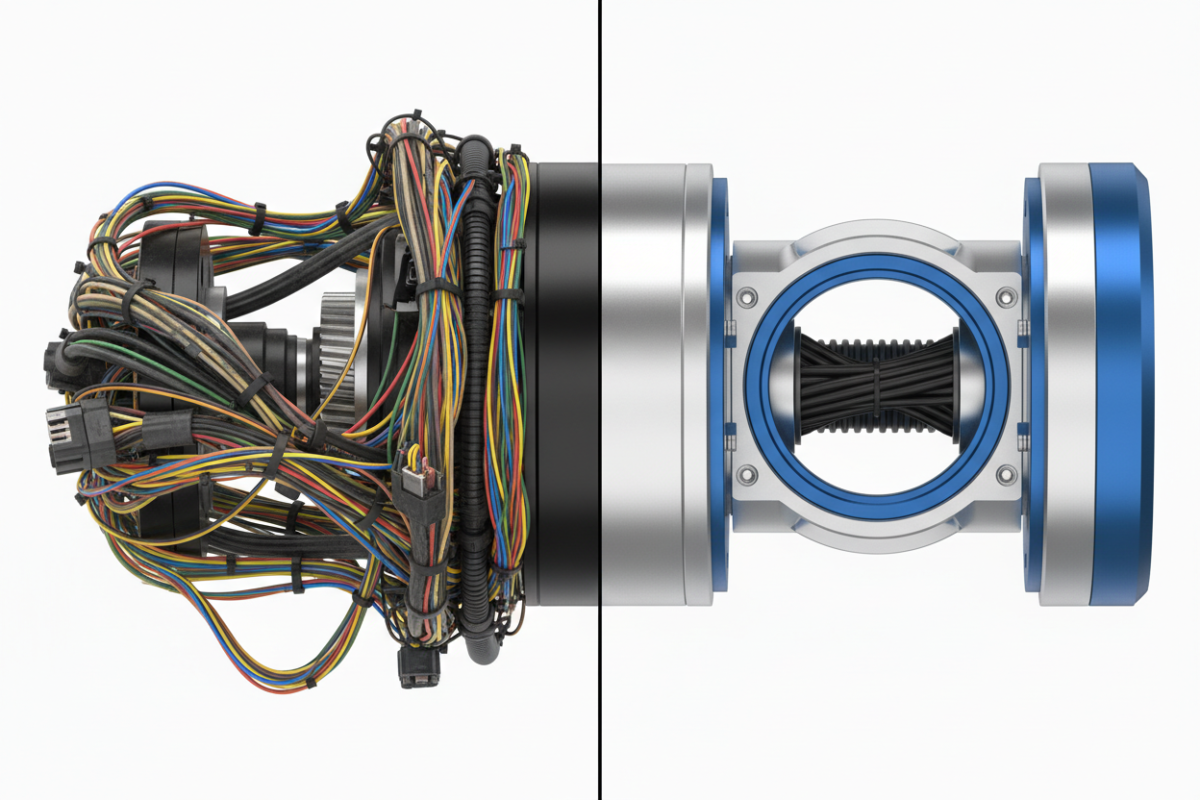
Diagnostic machines are packed with cables and high-speed fiber optics that must transmit imaging data from the rotating gantry to the stationary computer. Hollow rotary actuators solve this beautifully. Their large central bore allows all data and power cables to pass through the axis of rotation, eliminating the need for bulky external cable management.
Maintaining Integrity in High-Sensitivity Environments
In environments with sensitive RF signals (like MRI suites), electronic noise is a major threat to image quality. Advanced motion components must be electrically quiet. Using high-quality precision motion control components ensures that the rotation happens without interfering with the imaging process itself.
The Future: Trends Shaping Medical Automation
Looking ahead, two trends are set to define the next decade of medical devices.
AI-Driven Self-Adaptive Control
We are seeing the rise of “smart” joints that use AI algorithms to adapt to different loads or mechanical wear in real-time. These systems monitor their own health, providing predictive maintenance alerts before a failure occurs.
The Move Towards Modular Robotic Components
Manufacturers are moving away from proprietary, bespoke actuators toward modular components. This trend favors standardized, high-performance joint modules that can be quickly swapped out, enabling faster product development cycles and easier serviceability for medical providers.
Conclusion: Partnering for a Healthier Future
Precision and reliability in healthcare are not just design targets; they are human-centric imperatives. Whether you are developing a life-saving surgical system or the next generation of diagnostic imaging, your motion components must be up to the task.
At Hobber Drive, we are committed to providing the precision motion control and industrial automation components that meet the high-standard requirements of the medical sector. If you are ready to elevate your project’s performance with advanced motor and actuator technology, to discuss a custom solution.
FAQ Section: Medical Automation Design Questions
Q1: How do Hobber products meet medical cleanroom standards? Our products are built with high-grade, corrosion-resistant materials. Many of our actuators feature fully sealed, IP-rated housings to prevent particulate generation, ensuring compliance with most cleanroom operational requirements.
Q2: Can your actuators operate under varying temperatures in lab environments? Yes. Our components are tested to maintain stability across a wide temperature range. We utilize high-quality winding insulation and advanced magnetic materials that prevent performance degradation in thermally dynamic environments.
Q3: Do you provide documentation for medical certification compliance? Yes. We understand the stringent regulatory environment of the medical industry. We provide comprehensive documentation, including material safety data sheets, performance test reports, and technical specifications, to support your device’s certification and compliance processes. If you need specific documents for your design phase, feel free to