
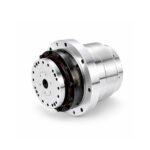
 Joint Rotary Actuators Series HAT
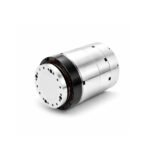 Joint Rotary Actuators series HAS
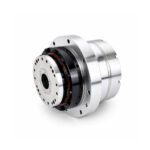 Joint Rotary Actuators Series HAMF
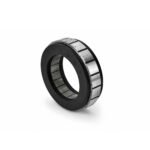 Frameless Torque Motor HBM
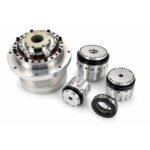 Rotary Actuators
 Joint Rotary Actuators Series HAG
 Rotary Actuators Series HPG

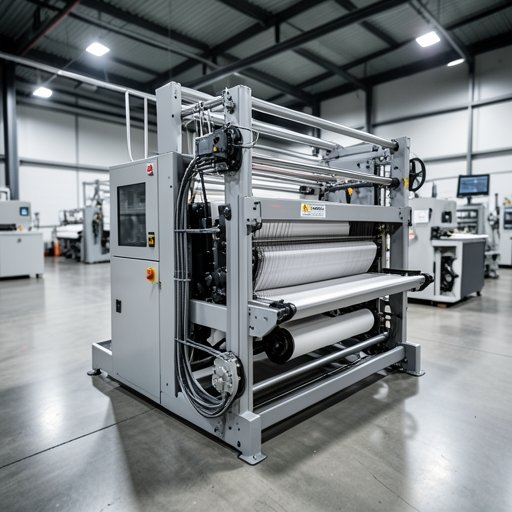
The global textile machinery market is undergoing a quiet yet profound revolution. Equipment manufacturers and factory operators are constantly pressured to increase production speeds, reduce energy consumption, and maintain exceptional fabric quality across diverse, small-batch production runs. However, many legacy textile machines—ranging from high-speed looms to multi-axis winding and drafting frames—still rely on traditional mechanical linkages, cams, and older frequency inverters.
While these mechanical systems were reliable in the past, they introduce severe limitations in modern manufacturing: restricted speed ceilings, rigid changeover procedures, high maintenance costs, and frequent mechanical wear. This case study explores how a mid-sized textile machinery manufacturer successfully upgraded a traditional mechanical textile system using modern, high-speed servo drives, transforming the machine’s performance and commercial value.
The Challenge: Overcoming the Limitations of Mechanical Linkages
Our client, an established builder of technical textile machinery, faced a critical bottleneck with their legacy weaving platform. The system relied heavily on physical cams and gearboxes to govern the primary shedding and take-up motions.
As end-users demanded higher weft insertion rates and greater fabric pattern flexibility, the client encountered several major obstacles:
- Low Speed Ceilings: The inertia and mechanical play (backlash) inherent in physical linkages created excessive vibration and noise at high operational frequencies, limiting maximum throughput.
- Extended Changeover Downtime: Switching to a different fabric density or weaving pattern required operators to physically swap mechanical gears and adjust cams—a tedious process that resulted in hours of costly production downtime.
- High Maintenance and Scrap Rates: Continuous high-speed mechanical impact led to rapid wear on moving parts, frequent maintenance intervals, and occasional synchronization errors that caused yarn breakage and material waste.
The engineering team realized that a complete architectural shift was necessary. They needed to transition from rigid mechanical motion to a flexible, software-defined electronic motion control system.
The Solution: Retrofitting with Advanced Servo Drive Technology
To solve these challenges, the engineering team redesigned the machine’s core architecture by replacing the mechanical transmission system with a multi-axis digital servo solution.
The retrofit project implemented several key engineering strategies:
- Implementation of Electronic Camming: Physical mechanical cams were entirely replaced by software-based electronic cams executed via high-performance servo drives. This allowed the shedding motion to be precisely synchronized with the main drive shaft dynamically, eliminating mechanical impact and shock loads.
- Real-Time Synchronized Control: Utilizing advanced real-time industrial communication protocols, the servo drives managed the let-off and take-up motions with millisecond precision, maintaining optimal and consistent yarn tension throughout the entire beam diameter cycle.
- High-Dynamic Response: The integration of robust servo drives paired with high-torque, low-inertia motors enabled rapid acceleration and deceleration profiles without sacrificing positional accuracy.
Results and Business Impact
The transition from mechanical linkages to an advanced servo-driven architecture delivered immediate, measurable improvements for both the machinery manufacturer and the end-user textile mills:
- 35% Increase in Production Speed: The elimination of mechanical backlash and smoother electronic motion profiles allowed the textile machine to operate safely at significantly higher weft insertion rates.
- Downtime Reduced from Hours to Minutes: Fabric pattern and density changeovers are now handled via software recipes on the HMI, cutting changeover time down from 4 hours to just 15 minutes.
- Dramatic Drop in Yarn Breakage: Precise, software-controlled tension management reduced fabric defect rates and yarn breakage by over 60%, drastically minimizing raw material waste.
- Lower Maintenance Costs: Removing complex gearboxes and mechanical wear components resulted in a quieter, cleaner machine with extended maintenance intervals and lower total cost of ownership (TCO).
Conclusion
This case study demonstrates that modernizing legacy industrial equipment does not always require building an entirely new machine from scratch. By strategically integrating high-speed servo drives and transitioning to software-defined motion control, equipment builders can breathe new life into traditional designs, offering their customers unmatched flexibility, speed, and reliability.
As the industrial automation landscape continues to evolve, embracing flexible drive technology remains one of the most effective ways for traditional machinery sectors to stay competitive.
Frequently Asked Questions (FAQ)
Q1: Why replace mechanical cams with electronic camming in textile machines?
A1: Electronic camming replaces physical, wear-prone mechanical cams with software algorithms running on servo drives. This eliminates mechanical backlash and shock, allows for instant digital adjustments of motion profiles, and significantly increases operational speeds and flexibility.
Q2: How do servo drives help reduce yarn breakage in weaving machines?
A2: Servo drives provide precise, real-time closed-loop control over tension components (such as let-off and take-up mechanisms). By dynamically compensating for changes in yarn tension and spool diameter, they prevent sudden tension spikes that cause yarn to snap.
Q3: Is it difficult to retrofit older textile machinery with modern servo drives?
A3: While retrofitting requires careful mechanical redesign—such as mounting motors and coupling feedback devices—the long-term benefits in productivity, reduced downtime, and software-based flexibility heavily outweigh the initial engineering effort.