
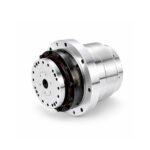
 Joint Rotary Actuators Series HAT
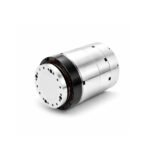 Joint Rotary Actuators series HAS
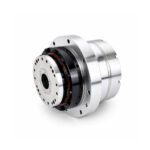 Joint Rotary Actuators Series HAMF
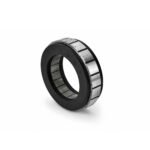 Frameless Torque Motor HBM
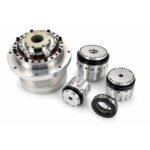 Rotary Actuators
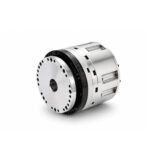 Joint Rotary Actuators Series HAG
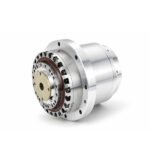 Rotary Actuators Series HPG

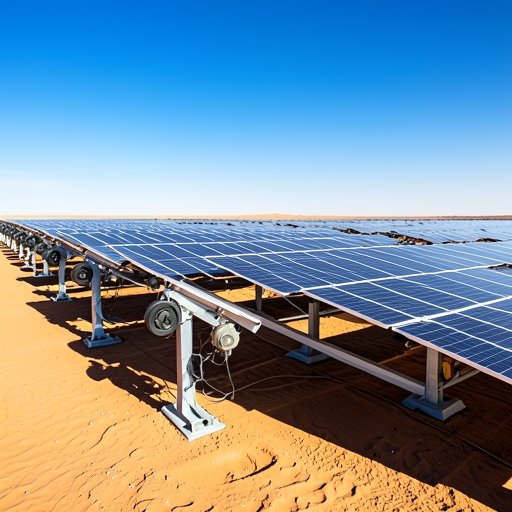
The global transition toward renewable energy has accelerated the large-scale deployment of photovoltaic (PV) power plants. To maximize energy yield, modern solar farms increasingly rely on solar tracking systems rather than traditional fixed mounting structures. By dynamically tilting solar panels to follow the sun’s trajectory throughout the day, these tracking systems can boost energy generation by 25% to 40%.
However, designing reliable motion control mechanisms for solar trackers presents unique engineering challenges. Unlike factory automation systems housed in climate-controlled environments, solar tracking equipment must operate reliably for decades in harsh outdoor environments. Selecting the right rotary actuator and motion components is critical to ensuring structural integrity, wind-load resistance, and long-term project profitability.
Key Requirements for Motion Control in Solar Trackers
Outdoor renewable energy applications subject mechanical and electrical components to extreme stresses. An effective solar tracker actuator must satisfy several stringent engineering demands:
- High Wind Load and Holding Torque Resistance: Solar arrays possess massive surface areas that act like sails. When severe weather or high-wind conditions occur, the tracking system must enter a safe “stow mode.” The rotary actuator must provide immense holding torque and mechanical self-locking capabilities to prevent structural oscillation or catastrophic failure.
- Extreme Weather and Environmental Resistance: Solar farms are frequently installed in deserts, arid regions, or coastal areas exposed to blowing sand, heavy dust, wide temperature swings, and corrosive moisture. Actuators require high IP ratings (such as IP65 or IP67) and robust surface treatments to withstand these conditions.
- Long Lifespan and Low Maintenance: Because utility-scale solar plants often span hundreds of acres in remote locations, routine maintenance is costly and impractical. Drive components must offer a multi-decade operational lifespan with minimal service requirements.
Rotary Actuators in Single-Axis vs. Dual-Axis Trackers
Solar tracking architectures generally fall into two primary categories, each utilizing specific motion control strategies:
- Horizontal Single-Axis Trackers (HSAT): These systems rotate panels along a single axis running north-to-south, tracking the sun from east to west. They require rugged rotary actuators capable of driving long torque tubes supporting dozens of solar panels smoothly under unbalanced aerodynamic loads.
- Dual-Axis Trackers: These systems track both the sun’s altitude and azimuth angles simultaneously, offering maximum energy capture efficiency. They rely on multi-axis precision rotary mechanisms to handle combined rotational loads and deliver exact positioning throughout the day.
Engineering Advantages in Renewable Energy Applications
Integrating robust, precision-engineered rotary actuators into solar tracker designs provides tangible benefits for plant developers and operators:
- Smooth, Backlash-Free Tracking: Minimized mechanical play ensures that micro-adjustments are executed fluidly, preventing judder or tracking lag during continuous movement.
- Optimized Power Consumption: High-efficiency gear configurations reduce parasitic power losses, ensuring that the energy consumed by the tracking system represents only a tiny fraction of the extra power generated.
- Enhanced Structural Durability: High rigidity and shock load capacity protect internal transmission components from sudden wind gusts and mechanical stress spikes.
Conclusion
As the solar industry moves toward larger utility projects and harsher geographical sites, the reliability of motion control components dictates the success of the entire installation. Utilizing heavy-duty, weather-resistant rotary actuators ensures that solar tracking systems deliver maximum energy yield, minimum downtime, and a superior return on investment (ROI) over their multi-decade lifespans.
Frequently Asked Questions (FAQ)
Q1: Why are solar tracking systems preferred over fixed-tilt mounting structures?
A1: Solar tracking systems follow the sun’s path across the sky, allowing photovoltaic panels to capture direct sunlight for longer periods. This increases overall energy generation by 25% to 40% compared to fixed structures.
Q2: What is “stow mode” in solar tracker design?
A2: Stow mode is a safety feature where solar panels are driven to a flat or horizontal position during high-wind events. This minimizes aerodynamic lift and drag, protecting the structural framework and rotary actuators from wind damage.
Q3: What IP rating is recommended for rotary actuators used in solar trackers?
A3: Rotary actuators deployed in outdoor solar farms typically require an IP65 or IP67 rating to ensure complete protection against dust ingress, driving rain, and harsh environmental contaminants.