 Joint Rotary Actuators Series HAT
 Joint Rotary Actuators series HAS
 Joint Rotary Actuators Series HAMF
 Frameless Torque Motor HBM
 Rotary Actuators
 Joint Rotary Actuators Series HAG
 Rotary Actuators Series HPG
Introduction: Protecting Your Investment in Motion
In the harsh reality of the factory floor, your automation equipment is constantly under siege. From fine metallic dust and cutting coolant mist to high-pressure wash-down jets, the environment is the silent enemy of precision engineering. A robotic actuator that performs perfectly in a laboratory setting can fail within weeks if installed in a hostile environment without proper protection.
This is where the IP rating (Ingress Protection) system becomes a vital tool for any engineer. Understanding these codes is not just about meeting specifications; it is about guaranteeing system reliability and preventing the high costs associated with unplanned downtime. This guide will help you decode IP ratings and choose the protection level your application truly needs.
What Do IP Rating Codes Actually Mean?
The IP system is a global standard (IEC 60529) that classifies the level of protection an enclosure provides against the intrusion of solid objects and liquids. It is represented by the letters “IP” followed by two digits.
Decoding the First Digit: Solid Particle Protection
The first digit (0-6) indicates the level of protection against solid objects, ranging from accidental touch to total protection against fine dust. For industrial automation, you are typically looking for a rating of 5 (dust-protected) or 6 (dust-tight).
Decoding the Second Digit: Liquid Ingress Protection
The second digit (0-9K) indicates the protection against moisture. This ranges from vertical dripping water to high-temperature, high-pressure water jets. Understanding this scale is crucial when your machine is exposed to cooling sprays or cleaning protocols.
Why “IP65” and “IP67” Are the Industry Standards for Automation
In most industrial settings, IP65 is the baseline. It means the unit is dust-tight and protected against water jets from any direction. IP67 adds protection against temporary immersion, which is vital for machines operating in flood-prone areas or subjected to aggressive, frequent clean-up cycles.
Matching IP Ratings to Your Automation Environment
Dry Environments and General Assembly
If your robot is working in a controlled environment, such as electronics assembly or general light-duty sorting, a lower protection class (like IP40 or IP50) might be sufficient. These environments have minimal dust and no liquid exposure, allowing for cheaper, lighter-weight designs.
Machining Centers with Coolant Mist
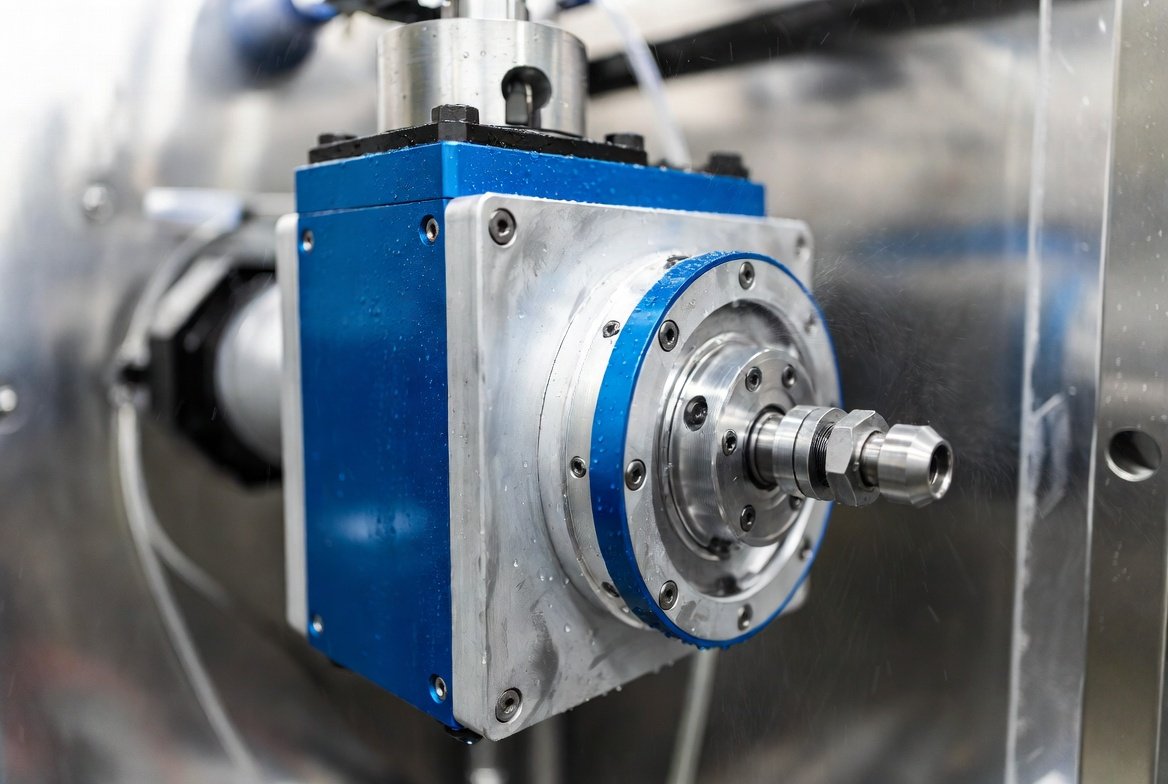
This is a high-risk environment. The airborne oil and coolant mist in CNC machining centers are chemically aggressive. Here, an IP65 or higher rating is mandatory. The seals must be compatible with the chemical composition of the cutting fluids used, or they will degrade rapidly.
Wash-Down and Outdoor Environments
In food production or outdoor solar tracking, equipment must survive direct water sprays. IP67 is the standard here. At this level, the actuator housing must be perfectly sealed, including the cable connectors and output shafts, to prevent moisture from entering and causing short circuits.
Why Fully Sealed Designs are Critical for Industrial Automation
Precision hardware relies on internal lubrication. Once contaminants enter, the game is over.
Preventing Internal Contamination of Precision Gears
Precision gearboxes, such as those inside our actuators, depend on high-quality grease to maintain a micro-thin film between gear teeth. If metallic dust enters this grease, it acts like an abrasive paste, rapidly eating away at the gear profile and causing backlash.
The Impact of Moisture on Electronics and Encoders
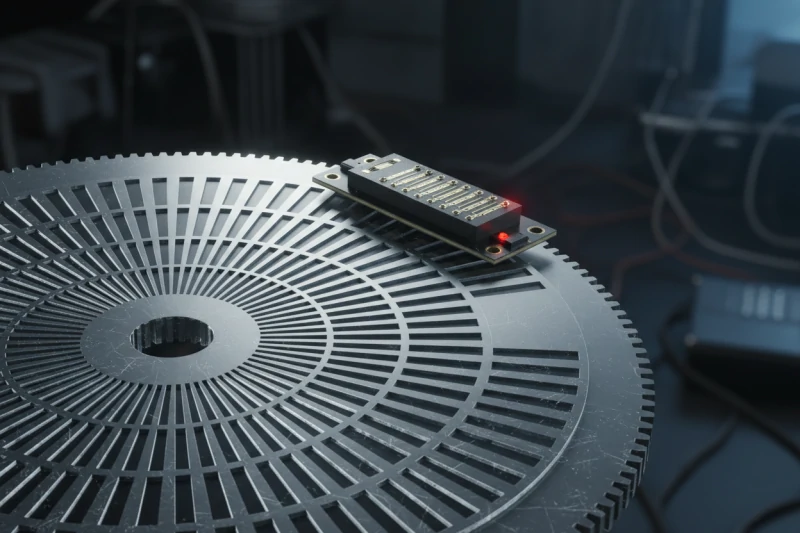
Encoders are the most sensitive parts of an actuator. A single drop of moisture or a conductive particle of metal dust inside an encoder housing will cause intermittent signals or total failure. A fully sealed actuator design protects these sensitive electronics from the inside out.
Reducing Costly Maintenance and Downtime
Choosing the right protection class is a form of preventative maintenance. An actuator that is properly protected against its environment will last its full rated life. An undersized protection class will lead to premature seal failures, bearing corrosion, and expensive repairs that far outweigh the initial cost savings of the cheaper unit.
Common Pitfalls in Actuator Environmental Sizing
Overestimating the Protection of “Splash-Proof” Covers
Many designers assume that a simple sheet-metal shroud provides enough protection. It does not. Aerosolized mist will bypass almost any shroud. Always look for the official IP rating rather than relying on the “appearance” of protection.
Neglecting Condensation within Sealed Enclosures
Even a perfectly sealed enclosure can suffer from condensation. As the motor heats up and cools down, internal air pressure changes, drawing in ambient air. If the environment has high humidity, water can condense inside. High-end actuators account for this through pressure equalization valves or internal desiccants.
Conclusion: Designing for Durability
Choosing the right protection class is not an expense—it is a preventative maintenance strategy. When designing your next automation cell, analyze the environmental threats honestly. When in doubt, it is always safer to over-specify your protection than to risk a failure in the field.
By integrating actuators that are built for the harsh realities of the factory floor, you ensure your machines run smoother, last longer, and provide the level of accuracy your processes demand. Choose protection that matches the intensity of your environment.