 Joint Rotary Actuators Series HAT
 Joint Rotary Actuators series HAS
 Joint Rotary Actuators Series HAMF
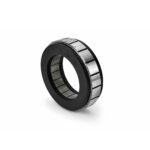 Frameless Torque Motor HBM
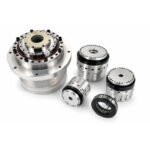 Rotary Actuators
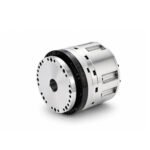 Joint Rotary Actuators Series HAG
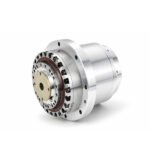 Rotary Actuators Series HPG
Introduction: The Complexity of 5-Axis Precision
The leap from 3-axis to 5-axis CNC machining represents a paradigm shift in manufacturing capability. It allows for the creation of complex, organic geometries in a single setup, drastically reducing manual handling and increasing productivity. However, this flexibility comes at a cost: complexity.
The performance of the machine’s rotary axes (A, B, and C) is the primary determinant of success. If these axes cannot maintain absolute precision under dynamic cutting forces, the benefits of 5-axis capability are lost. To achieve sub-micron finishes, engineers must carefully evaluate the motion system. Here are five key considerations for designing or upgrading your 5-axis CNC motion system.
1. Maximizing Torsional Rigidity for Heavy Cutting
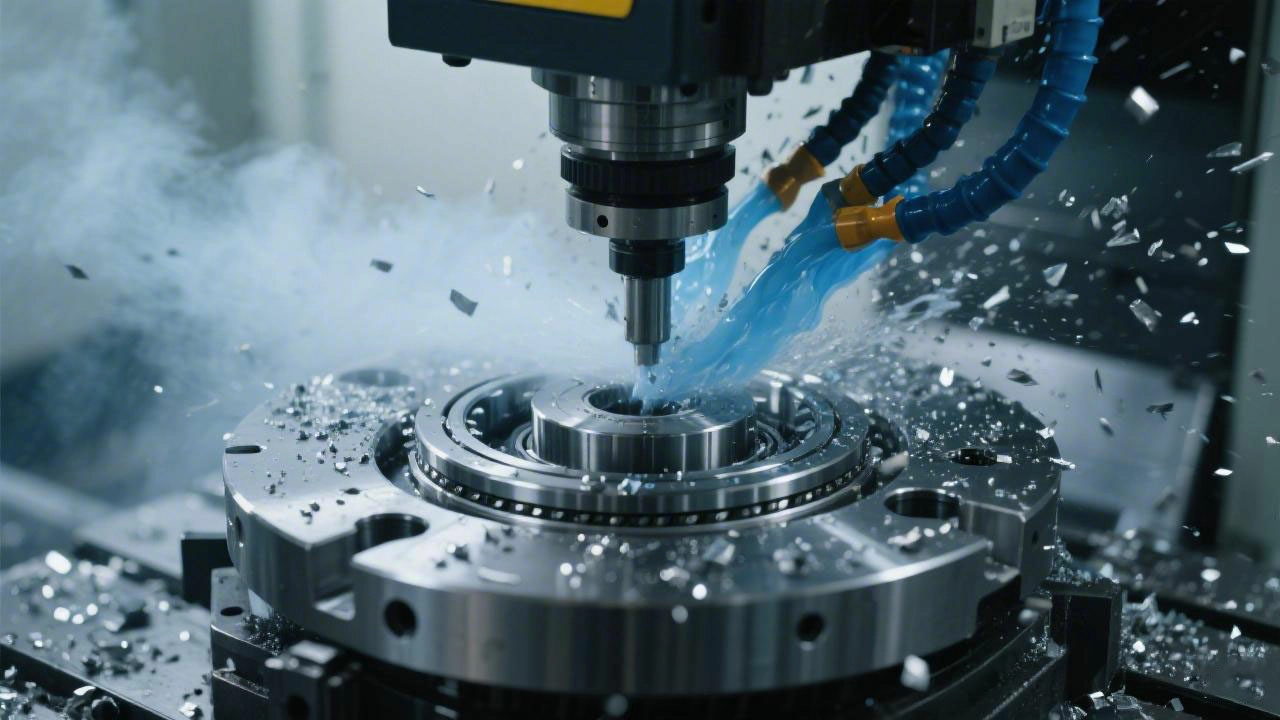
In a 5-axis setup, the cutting tool is often far from the rotary center, creating long lever arms that generate significant torque.
Why Torsional Rigidity Prevents Tool Chatter
Tool chatter is the nemesis of precision. It occurs when the machine structure—specifically the rotary axis—deflects under the force of the cut. A high rigidity rotary axis acts as an anchor, damping vibrations before they reach the tool tip. Without sufficient rigidity, your surface finish will suffer, and tool life will decrease due to repetitive vibration.
Selecting High-Rigidity Rotary Tables
Always prioritize actuators that utilize cross-roller bearings or similar high-load bearing configurations. For heavy-duty applications, we recommend integrating Hobber Drive HPG series planetary actuators, which are engineered to provide maximum stiffness under extreme machining loads.
2. Thermal Stability Under Continuous Operation
CNC machines run for hours, and heat is the inevitable byproduct of high-speed motor operation.
Managing Heat from High-Speed Motors
As a motor generates heat, the metal components expand. In a multi-axis machine, even a few microns of thermal growth can cause the tool to deviate from its intended path. This thermal drift ruins tolerance.
Thermal Growth Compensation in Precision Actuators
Look for motion components built with materials that have low thermal expansion coefficients. Additionally, ensuring that your actuator housing has effective heat-sinking capabilities is essential to maintaining a steady state of operation regardless of how long the machine has been running.
3. Angular Positioning Accuracy and Repeatability
A 5-axis machine is only as accurate as its most inaccurate axis.
The Role of Encoder Resolution in Axis Positioning
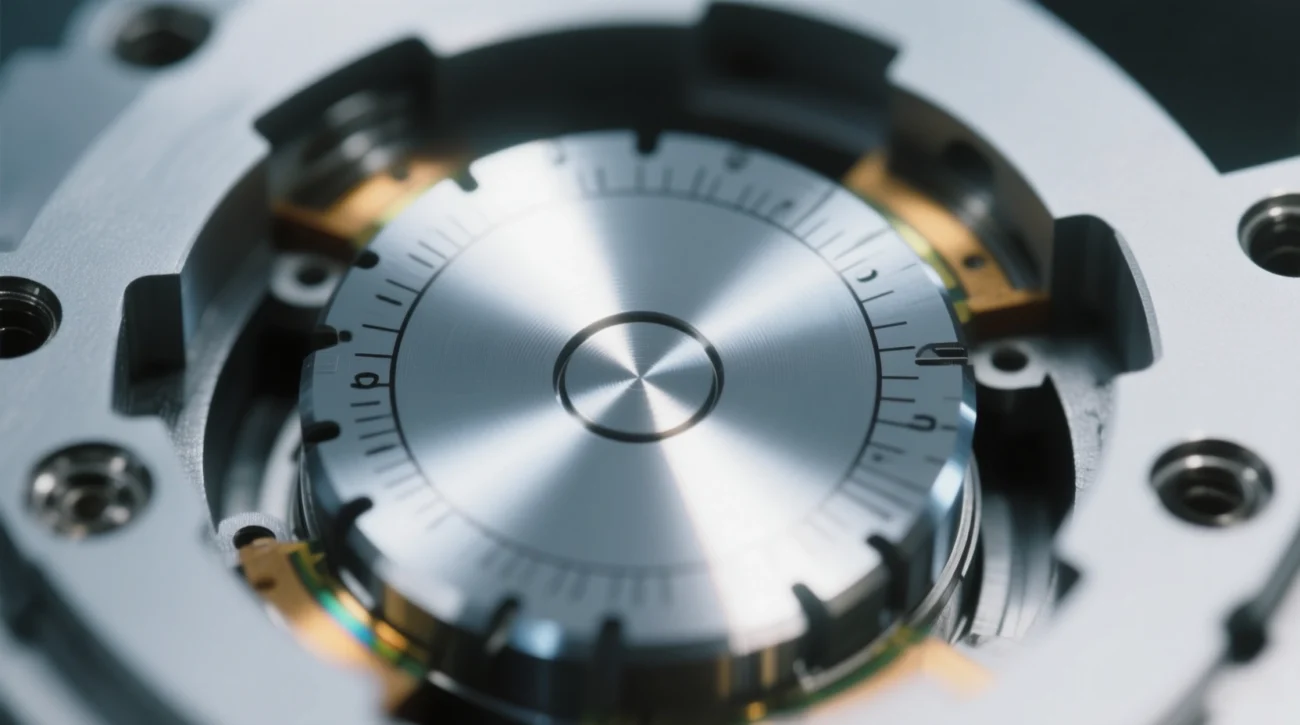
Your controller can only command what it can measure. If your encoder resolution is coarse, your machine will have “staircase” motion during interpolation. For precision motion, high-resolution absolute encoders are mandatory. They provide the controller with the feedback necessary to make minute, real-time corrections.
Eliminating Backlash in Rotary Tables
Backlash is the clearance between gear teeth. Even the smallest amount of backlash means the axis “slops” when it changes direction. To achieve true precision motion, you must utilize systems that offer zero backlash. This is why harmonic reducers are the gold standard for high-end rotary axes.
4. Achieving Dynamic Response for Fast Contouring
5-axis machining often involves rapid “contouring”—where all five axes move simultaneously in a complex, fluid dance.
Balancing Mass and Acceleration
The faster you accelerate, the more torque you need. However, increasing the mass of your rotary table to gain rigidity also increases the inertia, requiring a larger motor, which adds more mass. This is the designer’s paradox.
The Advantage of Integrated Joint Modules in 5-Axis Designs
The solution lies in mass optimization. By using integrated, compact joint modules, you keep the center of gravity close to the rotation axis and minimize unnecessary dead weight. This allows for high acceleration and high-speed contouring without losing accuracy.
5. Compact Design for Multi-Axis Integration
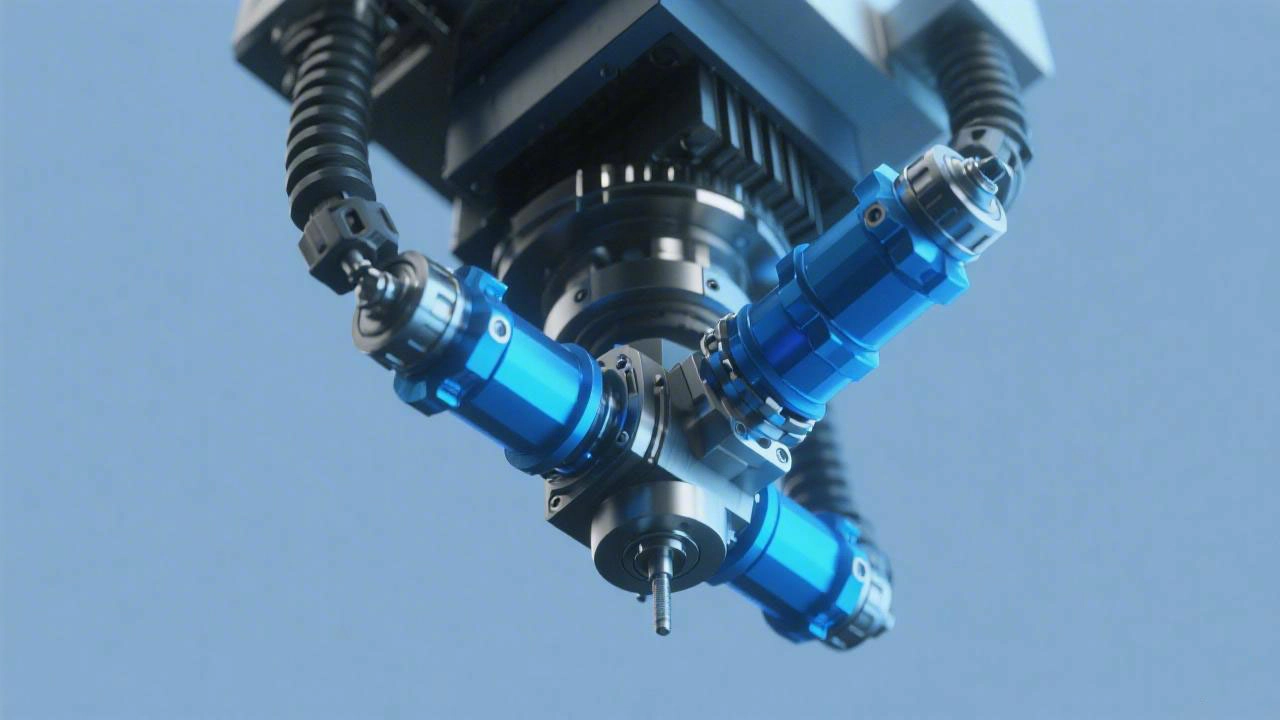
5-axis machine heads are extremely crowded. You have coolant hoses, electrical lines, and tool changers all fighting for space.
Designing for Interference-Free Machining Zones
A bulky motor housing will strike the workpiece or the machine bed before the tool can reach the desired angle. Choosing a compact, slim-profile actuator is the key to achieving the necessary “tilt” and “rotation” without collision.
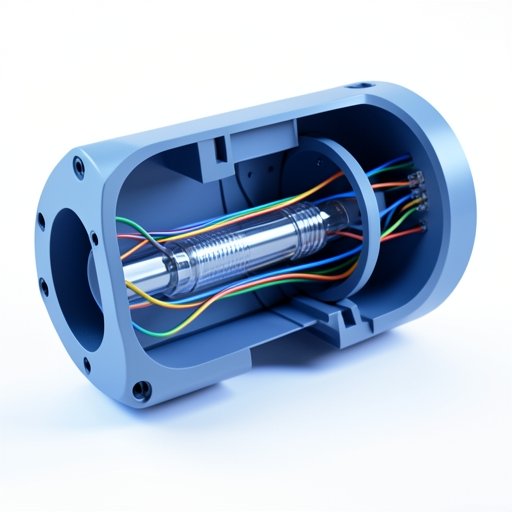
The Benefits of Using Hollow Rotary Actuators
This is where HAT hollow rotary actuators excel. Because they feature a large, hollow center, you can pass critical signal and power lines straight through the joint. This eliminates external “cable loop” hazards that would otherwise restrict the machine’s range of motion or crash during high-speed moves.
Conclusion: Precision Motion as the Competitive Edge
In the competitive world of contract manufacturing, the ability to machine complex parts faster and more accurately is your greatest advantage. The performance of your 5-axis CNC machine—its ability to cut with confidence and repeatability—ultimately rests on the quality of its motion system.
By prioritizing high rigidity, eliminating backlash, and optimizing for thermal stability, you ensure your machine is a profit-generating asset rather than a maintenance burden.
If you are currently designing a new rotary axis or planning a machine upgrade and need help optimizing your specs, contact our engineering team. We specialize in high-precision solutions that turn your design challenges into competitive advantages.
FAQ Section: CNC Motion Design Questions
Q1: How does the gear ratio affect my A/B axis resolution?
A higher gear ratio effectively increases the number of pulses per degree of rotation, which improves the resolution of your rotary axis. However, it also limits your maximum speed. The ratio must be a calculated balance between required speed and target angular resolution.
Q2: Should I use a direct drive or planetary gearbox for a high-speed rotary table?
For extremely high speed and smoothness with minimal maintenance, direct drive is best. For heavy-duty cutting where you need to maximize torque and stiffness, a high-precision planetary gearbox is usually the superior choice.
Q3: How do Hobber Drive actuators handle high cutting forces?
Our actuators are designed with high-stiffness bearings and optimized gear geometry specifically to transmit heavy loads. They are engineered to dissipate the mechanical stresses of metal cutting without sacrificing long-term precision.