 Joint Rotary Actuators Series HAT
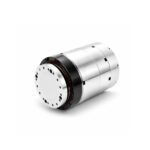 Joint Rotary Actuators series HAS
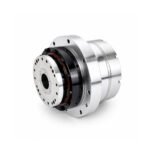 Joint Rotary Actuators Series HAMF
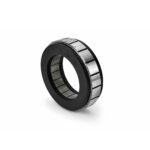 Frameless Torque Motor HBM
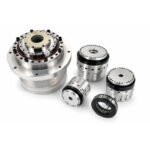 Rotary Actuators
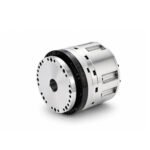 Joint Rotary Actuators Series HAG
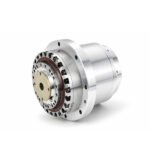 Rotary Actuators Series HPG
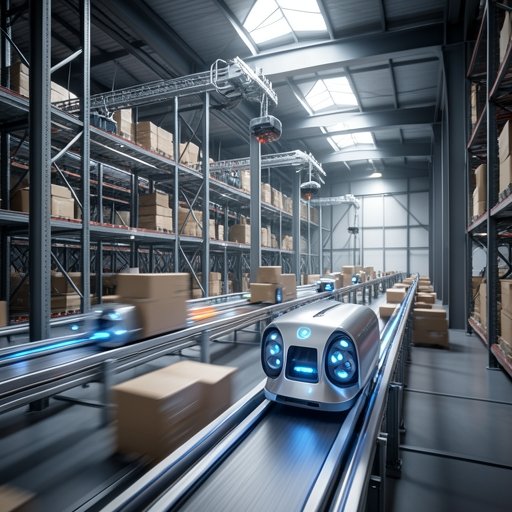
Introduction: The High-Speed Engine of Modern Supply Chains
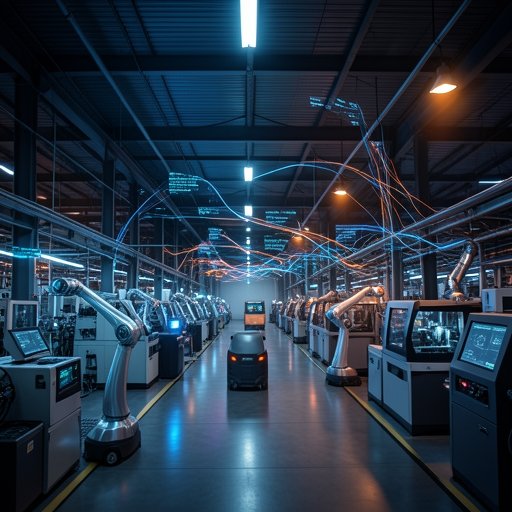
Global supply chains are under relentless pressure. With the explosive growth of e-commerce, consumers now expect same-day delivery and flawless order fulfillment. To meet these demands, distribution centers are transforming from manual warehouses into hyper-efficient, highly technical fulfillment hubs.
Behind the sophisticated software orchestration and flashing LED indicator lights lies the true physical engine of modern logistics: mechanical hardware. Without high-performance motion control, even the smartest warehouse management system cannot move a single box. This article explores the core trends and engineering demands shaping the future of warehouse automation.
The Three Pillars of Modern Warehouse Automation
As logistics centers scale up, their mechanical infrastructure must evolve to handle higher densities, faster speeds, and ceaseless operational cycles.
Maximizing Storage Density with Compact ASRS Cranes
Real estate is expensive, pushing facilities to build upward rather than outward. Automated Storage and Retrieval Systems (ASRS) cranes must navigate towering vertical racks with pinpoint accuracy. These cranes rely on rigid, high-torque actuators to lift heavy payloads at great heights without experiencing structural sway or positioning drift.
Achieving Blistering Throughput in Sorting Systems
Order fulfillment bottlenecks almost always occur at the sorting stage. Whether utilizing cross-belt sorters or tilt-tray mechanisms, sorting systems must divert thousands of items per hour to specific destination bins. This requires drives and motors with explosive dynamic response—capable of accelerating, reversing, and stopping in fractions of a second.
Ensuring 24/7 Reliability for Continuous Operation
Unlike manufacturing plants that may shut down for shift changes or retooling, e-commerce fulfillment centers often run 24 hours a day, 7 days a week. Equipment failure is not an option. Consequently, logistics engineers are demanding maintenance-free components that can endure millions of continuous cycles without loss of calibration or mechanical wear.
High-Performance Drivetrains in Shuttle and Transporter Systems
To achieve maximum efficiency within storage aisles, traditional heavy stacker cranes are increasingly being supplemented or replaced by multi-level shuttle systems.
Weight Reduction and High Torque Density for Shuttles
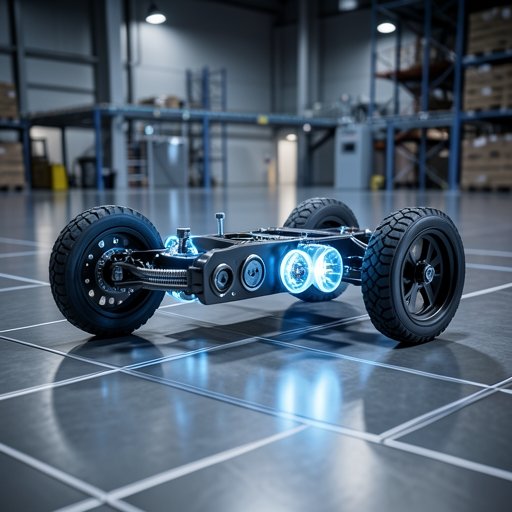
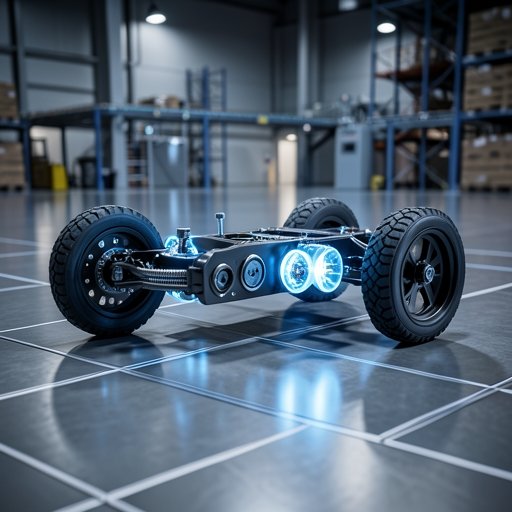
Shuttles race back and forth inside storage racks to retrieve bins. Every gram of dead weight on the shuttle translates to wasted battery energy and slower acceleration. By incorporating high-torque-density frameless motors and lightweight integrated actuators, designers can build lighter shuttles that accelerate faster while consuming less electrical power.
Precise Positioning in Multi-Level Vertical Lifts
Vertical lifts (or lifts working in tandem with shuttles) require absolute synchronization between levels. Precision feedback devices, such as absolute encoders integrated directly into the lift actuators, ensure that the transfer platform aligns perfectly with storage tiers every single time, preventing dropped inventory or jammed mechanisms.
The Evolution of High-Speed Sorting Systems
The physical sorting of parcels requires specialized motion profiles that minimize item damage while maximizing diversion speed.
Eliminating Jitter in Cross-Belt and Tilt-Tray Sorters
When a cross-belt sorter passes a discharge chute, it must tilt or run its belt instantaneously to drop the parcel. Any mechanical vibration or “jitter” during this split-second action can cause the package to miss the target bin. High-rigidity rotary actuators and low-backlash gear systems ensure that divert mechanisms act with crisp, absolute authority.
How Direct-Drive Solutions Revolutionize Divert Mechanisms
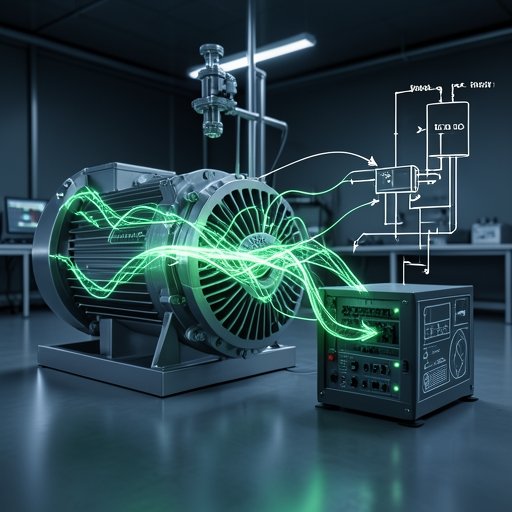
Traditional divert mechanisms often utilized pneumatic cylinders or complex solenoids, which suffer from high air consumption, noise, and limited positioning feedback. Modern facilities are transitioning to direct-drive electric actuators. These provide programmable speed profiles, gentle deceleration for fragile items, and unmatched longevity compared to pneumatic alternatives.
Durability and Maintenance: Surviving the 24/7 Logistics Cycle
In the logistics sector, total cost of ownership (TCO) dictates equipment adoption.
Minimizing Component Wear in High-Cycle Environments
A single sorter might execute 10 million cycles in a single year. Standard industrial gearboxes will quickly wear out under this kind of repetitive punishment. The industry is responding by moving toward precision components hardened for high-cycle applications, minimizing backlash growth and tooth degradation.
The Shift Toward Lifetime-Lubricated, Sealed Actuators
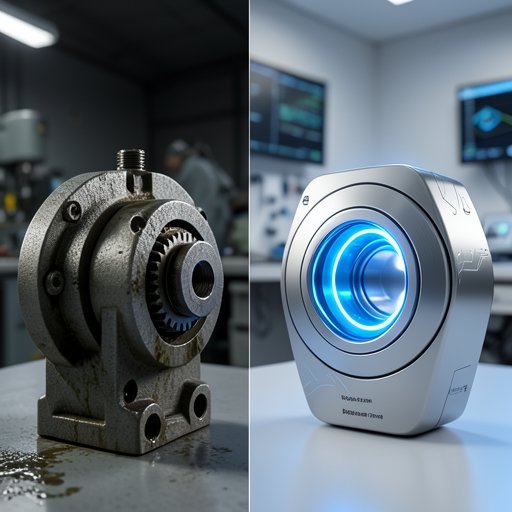
Maintenance teams in fulfillment centers do not have time to grease hundreds of individual bearings every week. The market heavily favors lifetime-lubricated, factory-sealed actuators and drives. These modular units keep dust and debris out while locking high-performance synthetic grease in, guaranteeing years of uninterrupted service.
Conclusion: Building the Physical Backbone of Smart Logistics
Software orchestration and AI routing algorithms give modern distribution centers their intelligence, but physical execution determines their success. As consumer expectations continue to rise, the mechanical infrastructure of fulfillment centers must become faster, smarter, and tougher.
By investing in advanced motion control technologies—such as direct-drive motors, high-rigidity actuators, and intelligent servo drives—machine builders can deliver the robust reliability that the logistics industry demands. The automated warehouse of tomorrow is built on the precision engineering of today.
FAQ Section: Logistics Automation Engineering Q&A
Q1: What are the biggest motion control challenges in multi-level ASRS cranes?
The primary challenges are managing high static and dynamic loads over long vertical spans while suppressing structural mast sway. This requires actuators with exceptional torsional stiffness, high-resolution position feedback, and intelligent servo tuning that can actively dampen mechanical resonance.
Q2: Why are direct-drive technologies replacing traditional gear motors in high-speed sorting systems?
Direct-drive systems eliminate mechanical elements like timing belts, chains, and gearboxes. This removes points of mechanical compliance and backlash, allowing for faster response times, higher sorting accuracy, and a total elimination of routine drivetrain maintenance.
Q3: How do integrated actuators reduce the overall power consumption of a warehouse automation facility?
Integrated actuators minimize dead weight, reduce transmission friction losses, and often support energy-efficient DC bus sharing among multiple axes. Because less energy is wasted as mechanical heat, more electrical power is converted directly into useful kinetic movement, lowering the facility’s overall utility bills.