 Joint Rotary Actuators Series HAT
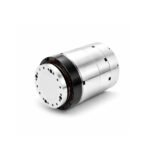 Joint Rotary Actuators series HAS
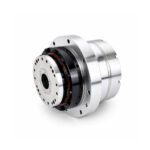 Joint Rotary Actuators Series HAMF
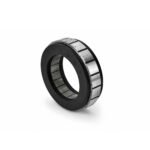 Frameless Torque Motor HBM
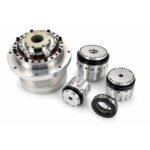 Rotary Actuators
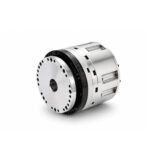 Joint Rotary Actuators Series HAG
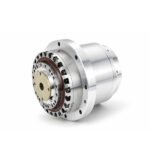 Rotary Actuators Series HPG


Introduction: The Evolution of Safe and Smart Industrial Arms
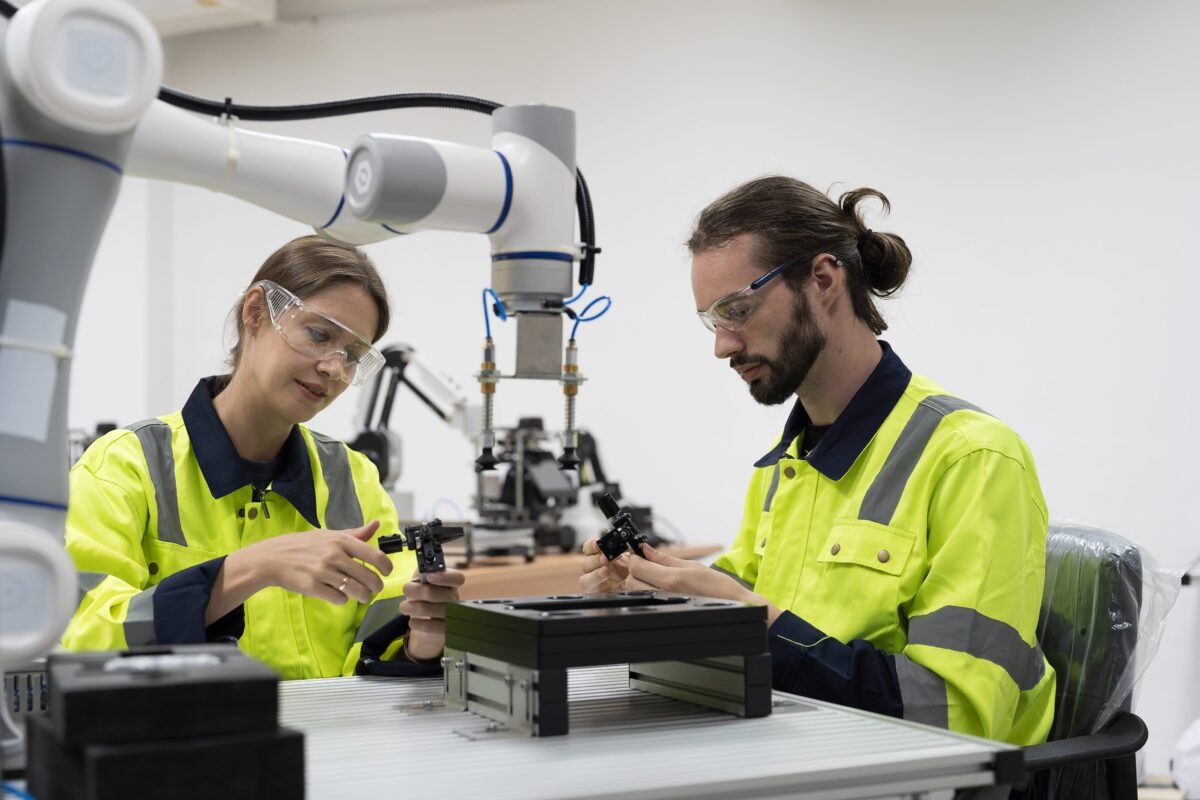
The trajectory of industrial automation has shifted dramatically over the past decade. Traditional industrial robots—heavy, enclosed in safety cages, and programmed for singular repetitive tasks—are steadily giving way to collaborative robots, or “cobots.” These machines are designed to operate safely alongside human workers, adapting to dynamic environments and handling diverse manufacturing tasks.
However, as artificial intelligence endows cobots with unprecedented digital “brains,” engineers face a severe bottleneck at the physical level: the hardware. Building a nimble, safe, and powerful robot arm requires a rethinking of traditional mechanical actuation. This article examines how the robotic joint module has become the defining hardware catalyst for next-generation collaborative robots, pushing the boundaries of precision motion control.
The Engineering Demands of Next-Gen Cobots
Designing a collaborative robot is a masterclass in compromise. Every physical attribute of the machine must satisfy conflicting mechanical constraints.
Achieving Superior Payload-to-Weight Ratios
Unlike stationary industrial arms, cobots are frequently mounted on mobile platforms, flexible deployment carts, or lightweight tables. To make these machines practical, the total arm weight must be kept to a minimum while maintaining or increasing the payload capacity. Achieving a high payload-to-weight ratio requires eliminating every gram of dead weight from the structural links and joints.
True Safety Through Integrated Force and Torque Sensing
Safety is the absolute cornerstone of collaborative robotics. If a cobot arm accidentally collides with a human operator, it must halt instantly. This requires sensitivity that traditional gearboxes and brushed motors cannot deliver. Next-gen cobots rely on integrated torque and force-sensing architectures embedded directly within the joints, allowing the machine to feel external resistance and react in milliseconds.
Eliminating External Wiring Clutter with Hollow-Shaft Architecture
Multi-axis robot arms require power, encoder data, and safety signals to pass through every moving joint. External cable harnesses looping around the elbows and wrists create snag hazards, restrict joint rotation angles, and wear out prematurely. Next-gen designs demand internal, hollow-shaft routing to protect vital lifelines.
Anatomy of a Modern Robotic Joint Module
To meet these sweeping demands, the engineering philosophy has shifted from assembling discrete components to deploying fully integrated robotic joint modules.
The Synergy of Frameless Motors and Strain Wave Gearing
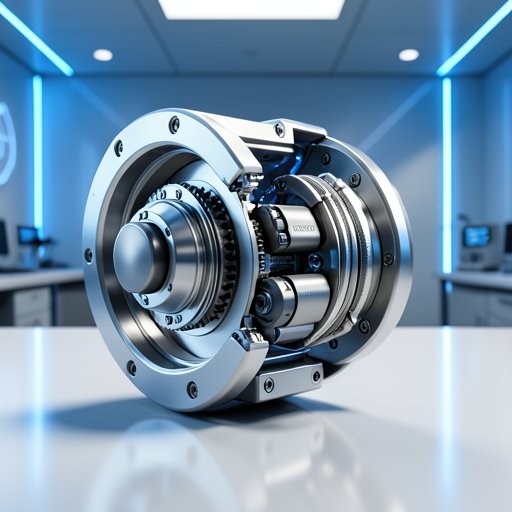
At the mechanical core of a modern joint module is the pairing of a high-torque frameless motor with a precision strain wave gear (harmonic reducer). By mounting the motor rotor and stator directly into the housing and pairing them with a zero-backlash reducer, the module achieves exceptional mechanical stiffness and massive torque reduction in a remarkably flat profile.
Co-Designed Encoders, Brakes, and Embedded Drive Electronics
An advanced joint module is much more than just a motor and a gear. It packs dual absolute encoders (for precise position and velocity tracking), a failsafe holding brake, and embedded drive electronics into a single sealed enclosure. This factory-aligned ecosystem eliminates mechanical tolerance stack-up and ensures absolute plug-and-play reliability.
Why High Torque Density is the Ultimate Metric for Cobots
In the architecture of modern cobots, high torque density is the primary engineering currency.
Packing More Power into Lighter, Sleeker Robot Links
Torque density measures how much rotational force an actuator can deliver relative to its physical size and weight. By maximizing torque density at the joint level, mechanical designers can shrink the outer diameter of the robot’s links. The result is a sleek, streamlined arm that mimics human agility and fits easily into cramped assembly cells.
Minimizing Inertia to Improve Dynamic Response and Safety
High torque density also minimizes rotor and drivetrain inertia. Lower inertia means the robot can accelerate faster, change direction instantaneously, and stop more quickly when safety interlocks are triggered, directly enhancing both operational throughput and human safety.
Accelerating Innovation Through Modular Design
Beyond physical performance, the adoption of integrated joint modules transforms the business and R&D models of robotics companies.
Bypassing Custom Actuator R&D for Faster Prototyping
Engineering a custom motor-gearbox-sensor assembly from scratch takes years of costly trial and error. By utilizing pre-validated joint modules, R&D teams can bypass actuator development entirely. They can focus their creative energy where it matters most: developing cutting-edge application software, advanced vision systems, and specialized end-effectors.
Simplifying Supply Chains for Robot Manufacturers
Managing dozens of individual suppliers for bearings, gears, encoders, and motor windings creates a vulnerable supply chain. Standardizing on a modular joint architecture consolidates procurement down to a single, highly reliable part number, drastically simplifying inventory management and accelerating time-to-market.
Conclusion: Empowering the Robotic Workforce of Tomorrow
The robots of the future will not look or function like the machines of the past. As artificial intelligence expands their cognitive boundaries, their physical hardware must evolve in lockstep.
By leveraging the power of integrated robotic joint modules, equipment builders can deliver machines that are lighter, safer, smarter, and infinitely more capable. True innovation in collaborative robots starts at the joint, where compact engineering meets uncompromising precision motion control.
FAQ Section: Next-Gen Cobot Actuation Q&A
Q1: How do integrated robotic joint modules improve the safety of collaborative robots?
Integrated joint modules enhance safety by allowing for the seamless incorporation of dual absolute encoders and embedded torque-sensing capabilities. Because the components are factory-calibrated within a rigid housing, the control system can detect microscopic resistance or unexpected external forces instantly, triggering safe-torque-off (STO) protocols in milliseconds.
Q2: Can high torque density modules handle the continuous thermal stress of 24/7 cobot operations?
Yes. High-performance joint modules are engineered with optimized thermal conduction paths. The motor stators are tightly thermally coupled to the outer aluminum or steel housings, allowing the machine frame to act as a natural heat sink and keeping continuous winding temperatures well within safe operating limits during round-the-clock use.
Q3: What are the advantages of hollow-shaft integration in multi-axis robot arms?
A hollow-shaft design features a central through-hole running directly through the center of the rotation axis. This allows engineers to route internal power, data, and pneumatic lines safely through the heart of the robot, eliminating external cable loops, preventing wire fatigue, and enabling unhindered 360-degree joint movement.