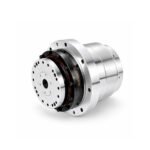
 Joint Rotary Actuators Series HAT
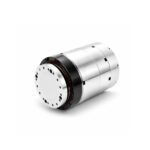 Joint Rotary Actuators series HAS
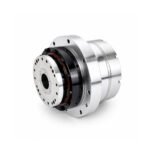 Joint Rotary Actuators Series HAMF
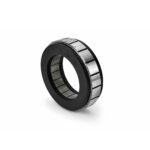 Frameless Torque Motor HBM
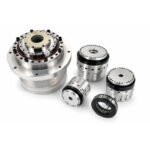 Rotary Actuators
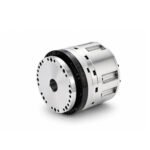 Joint Rotary Actuators Series HAG
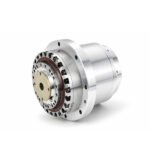 Rotary Actuators Series HPG
Introduction: The “Build vs. Buy” Dilemma in Robotics
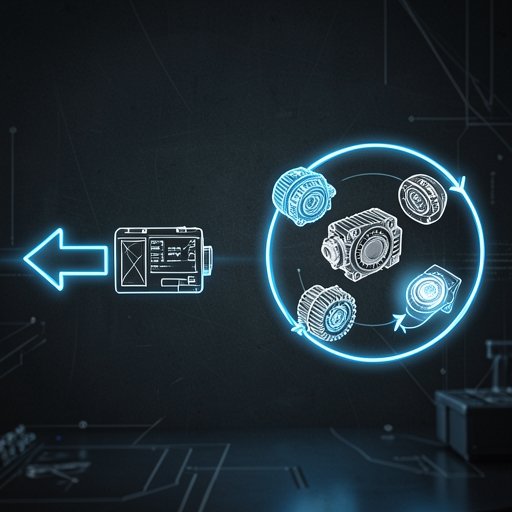
Engineers constantly face a classic challenge: should they build a system from scratch or buy a pre-engineered solution? Historically, building a robot meant sourcing discrete motors, gearboxes, safety brakes, and encoders from different vendors. This fragmented approach creates a complex engineering bottleneck. Engineers spend months designing custom brackets and testing compatibility.
The integrated design philosophy offers a modern solution to this challenge. By combining all necessary actuation components into a single unit, manufacturers eliminate guesswork. This guide uncovers the profound mechanical and commercial advantages of utilizing a comprehensive robotic joint module.
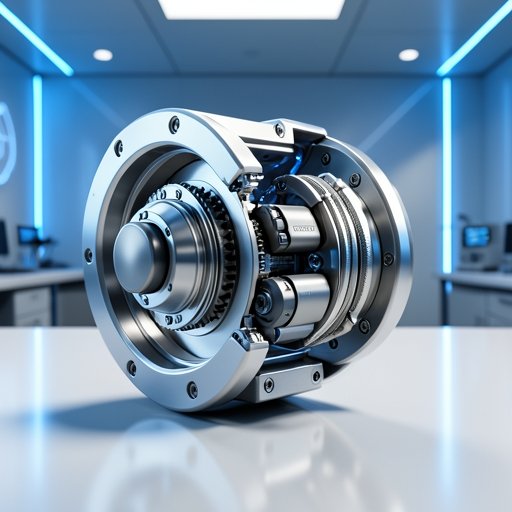
Unpacking the Anatomy of a Robotic Joint Module
To appreciate the benefits, we must first look inside the module. An integrated joint is not just a collection of parts; it is a highly optimized electromechanical ecosystem.
The Synergy of Frameless Motors and Harmonic Drives
High-performance joints rely on the perfect pairing of a frameless motor and a harmonic drive. A frameless motor lacks a traditional outer shell. Engineers press the stator directly into the joint housing and mount the rotor onto the harmonic wave generator. This synergy eliminates redundant shafts and maximizes space efficiency.
Integrating Dual Encoders and Safety Brakes
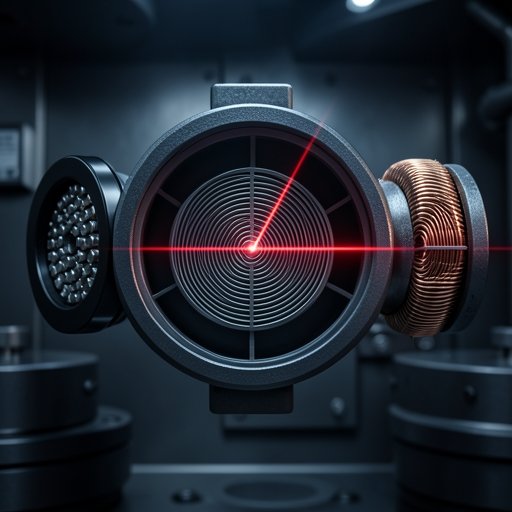
Precision robotics demand absolute position feedback. A true robotic joint module includes dual absolute encoders. One encoder monitors the motor input, while the other monitors the final output shaft. The manufacturer pre-aligns these sensors alongside a failsafe holding brake. This precise factory assembly guarantees accuracy that is hard to replicate in a custom build.
Overcoming the Limitations of Discrete Components
Using discrete components introduces physical limitations that restrict robot performance. An integrated design directly addresses these mechanical flaws.
Eliminating Redundant Housings and Bearings
When you bolt a standard motor to a standard gearbox, you duplicate hardware. Both units have their own heavy housings and separate bearing support systems. An integrated module shares a single high-rigidity housing and utilizes a heavy-duty cross-roller bearing to support the entire load. This smart architecture drastically cuts unnecessary weight.
Achieving Maximum Torque Density in Tight Spaces
Weight is the enemy of a robotic arm. Every gram saved in the joint allows the robot to carry a heavier payload. By stripping away redundant metal, an integrated module achieves exceptional torque density. Designers can fit massive rotational power into incredibly tight spaces, making it perfect for sleek collaborative robots.
Streamlining System Integration and Wiring
The mechanical benefits are obvious, but the electrical advantages are equally powerful. A modular approach fundamentally changes system integration.
Simplifying Cable Management Through Hollow Shaft Designs
Managing cables across multiple moving joints often causes premature machine failure. Many integrated joint modules feature a hollow shaft design. This allows engineers to route power and data cables cleanly through the center of the rotation axis. Internal routing protects sensitive wires from twisting and snapping during operation.
Pre-Tuned Servo Dynamics for Instant Plug-and-Play
Tuning a custom-built joint takes days of trial and error. The inertia mismatch between discrete parts often causes frustrating vibrations. With an integrated module, the manufacturer pre-tunes the servo parameters for that specific mechanical combination. This provides instant plug-and-play functionality, drastically accelerating system integration.
The Commercial Advantage of Modular Design
Technology must make business sense. Adopting a modular design strategy delivers clear commercial benefits to robotics companies and system integrators.
Accelerating R&D Timelines and Time-to-Market
Developing a custom robotic joint from scratch delays your product launch. By purchasing a pre-validated module, your R&D team bypasses the mechanical actuation phase entirely. This allows your software engineers to begin writing motion control algorithms immediately. Faster development cycles get your robot to market months ahead of the competition.
Consolidating Your Supply Chain and Reducing Inventory
Sourcing parts from five different vendors creates supply chain risk. If one encoder supplier experiences a delay, your entire production line stops. A modular strategy consolidates your procurement. You order a single part number from a single reliable motion control partner. This simplifies inventory management and minimizes assembly line disruptions.
Conclusion: Focus on the Application, Not the Actuation
The robotics industry is shifting rapidly. The most successful companies no longer build every component from scratch. They leverage advanced modular hardware to manage complexity.
By embracing an integrated design, you eliminate redundant weight, maximize torque density, and simplify your supply chain. Let motion control experts build the joints. Your engineering team can then focus entirely on developing innovative robot software and solving your end-user’s specific application problems.
FAQ Section: Integrating Modular Robot Joints
Q1: Are integrated robotic joint modules difficult to repair if one component fails?
Instead of repairing individual gears or sensors on the factory floor, technicians perform a “swap-and-run” replacement. They remove the entire faulty module and bolt on a new one in minutes. This drastically reduces machine downtime compared to rebuilding a custom joint.
Q2: Does a modular design restrict my ability to customize the robot’s kinematics?
No. The modules provide the standardized “muscle,” but you control the robot’s geometry. You can connect different sizes of joint modules with custom-length arm links to achieve the exact reach and payload capacity your specific application requires.
Q3: Is the initial cost of an integrated module higher than buying discrete parts?
The initial hardware purchase price might appear slightly higher than a pile of discrete components. However, when you factor in the massive savings in engineering design hours, assembly labor, and supply chain management, the total cost of ownership is significantly lower.