 Joint Rotary Actuators Series HAT
 Joint Rotary Actuators series HAS
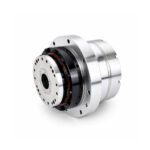 Joint Rotary Actuators Series HAMF
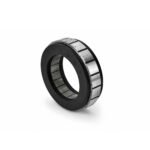 Frameless Torque Motor HBM
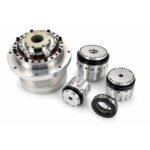 Rotary Actuators
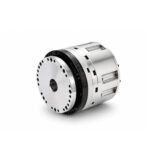 Joint Rotary Actuators Series HAG
 Rotary Actuators Series HPG

Introduction: Feeding the Demand for Higher Throughput and Hygiene
The global food and beverage processing sector is undergoing a profound transformation. Driven by shifting consumer preferences, strict regulatory compliance, and a persistent labor shortage, food processing plants are modernizing at a rapid pace. Facilities are pushing for higher production volumes, tighter packaging tolerances, and shorter cycle times.
However, designing automation hardware for the kitchen or the processing floor is entirely different from building cars or assembling electronics. The food industry operates under a strict paradox: equipment must run at blinding speeds while enduring an aggressive daily sanitation regime. This article explores how advanced motion control and hygienic design are shaping the future of industrial automation in the food and beverage sector.
The Brutal Reality of Food Plant Environments
Before looking at motion solutions, one must understand the physical environment of a modern food or beverage packaging plant. It is an arena designed to be hostile to biological contaminants—which unfortunately makes it equally hostile to standard machinery.
Daily High-Pressure Wash-Downs and Aggressive Chemical Sanitize
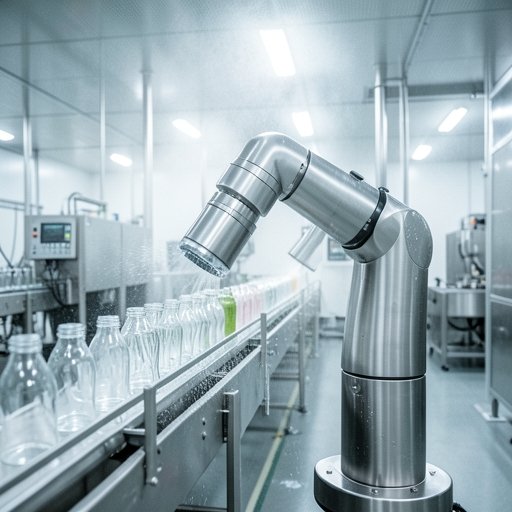
To prevent microbial growth and cross-contamination, food processing lines undergo aggressive Clean-in-Place (CIP) and Clean-out-of-Place (COP) protocols at the end of every shift. Equipment is blasted with high-pressure, high-temperature water jets mixed with harsh alkaline and acidic sanitizing agents. Standard industrial motors, gearboxes, and actuators will rapidly corrode, trap moisture, and fail prematurely under these conditions.
Preventing Bacterial Growth in Mechanical Crevices
In food manufacturing, safety is measured in microscopic terms. Bacteria like Listeria, Salmonella, and E. coli can hide in the tiniest microscopic crevices, screw threads, or rough surface textures. If an automation component features exposed fasteners, sharp corners, or awkward angles, it becomes a breeding ground for pathogens, risking massive product recalls and brand damage.
The Principles of Hygienic Design in Motion Components
To survive the processing floor, motion control hardware must be built according to strict hygienic design principles (such as those outlined by EHEDG and 3-A standards).
Eliminating Trapped Particles with Smooth, Sloped Surfaces
Hygienic components feature smooth, radiused transitions and sloped surfaces designed to eliminate pooling water or trapped food debris. Actuators intended for food contact zones are polished to a mirror-like finish (low surface roughness, or low Ra values), ensuring that liquids and organic matter slide off completely during wash-down cycles.
The Importance of IP67 Sealing and Food-Grade Lubricants
Water ingress is the primary cause of electrical short circuits in wet industrial environments. Actuators deployed in food plants must feature robust IP67 or IP69K sealing to withstand high-pressure water jets. Furthermore, internal components must utilize certified food-grade lubricants (NSF H1) so that even in the unlikely event of a micro-seal breach, the process remains uncontaminated.
High-Speed Applications: Filling, Sorting, and Palletizing
Different stages of the food and beverage line require tailored motion profiles to ensure efficiency and product integrity.
Precision Liquid Filling and Dosing Axes
In beverage bottling or sauce pouch manufacturing, volumetric precision is vital. Servo-driven dosing pumps and rotary index tables must position containers under filling nozzles with exact repeatability. Smooth acceleration profiles prevent liquid sloshing and bubbling, ensuring consistent fill levels without overflow waste.
High-Speed Sorting and Packaging Lines
At the end of the processing line, items must be sorted, grouped, and packed into boxes at high speeds. High-rigidity actuators and direct-drive systems allow sorting mechanisms to divert and orient items like cartons or cans dynamically without bruising or damaging the product packaging.
End-of-Line Robotic Palletizing Solutions
Heavy-duty packaging concludes with palletizing. Robotic arms stack finished boxes onto pallets for shipping. These axes handle heavy payloads while requiring high reliability to maintain 24/7 shipping schedules without unexpected line stoppages.
Material Selection: Why Stainless Steel Matters
When paint and standard aluminum coatings fail, material science provides the ultimate defense.
Resisting Corrosion from Salt, Acids, and Cleaning Agents
Food products are often corrosive. Fruit juices are highly acidic, dairy products contain lactic acid, and meat processing environments involve high salt concentrations. When combined with caustic cleaning agents, standard metals oxidize rapidly.
Balancing Thermal Conduction with Corrosion Resistance
To fight this chemical onslaught, high-end automation hardware relies heavily on grade 316 stainless steel or specialized protective surface treatments. Stainless steel provides superior resistance to pitting and chemical corrosion while still allowing adequate thermal conduction to dissipate motor heat safely into the environment.
Conclusion: Clean Mechanics for Safe Consumption
Automation in the food and beverage industry requires hardware that is both high-performing and relentlessly sanitary. Compromising on either speed or hygiene leads to inefficiency or regulatory non-compliance.
By embracing specialized hygienic design, IP-rated sealing, and corrosion-resistant stainless steel construction, machine builders can deliver packaging and processing systems that ensure absolute food safety while maximizing line uptime. Clean mechanics are the bedrock of safe, profitable food consumption.
FAQ Section: Food-Grade Automation Engineering Q&A
Q1: What IP rating is required for an actuator exposed to daily food and beverage wash-down protocols?
For areas subject to daily sanitation spray, an IP67 rating is generally the minimum requirement, indicating protection against temporary water immersion. For zones subjected to high-pressure, high-temperature wash-downs (such as meat or dairy processing wash areas), an IP69K rating is preferred, ensuring the unit withstands intense steam-jet cleaning.
Q2: Do your actuators use food-grade lubricants to prevent contamination if a seal fails?
Yes. In food-contact or splash-zone applications, precision actuators are specified with NSF H1-certified food-grade lubricants. These lubricants are colorless, odorless, and chemically safe for incidental contact with food products, preserving product safety.
Q3: How does hygienic design reduce cleaning time and chemical costs for food processing plants?
Hygienic design eliminates sharp corners, exposed threads, and rough surfaces where bacteria and food residues cling. Because surfaces are smooth and sloped for drainage, cleaning crews can wash down the machinery faster using fewer aggressive chemicals and less water, significantly lowering daily sanitation overhead.