 Joint Rotary Actuators Series HAT
 Joint Rotary Actuators series HAS
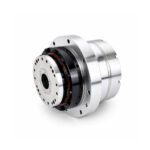 Joint Rotary Actuators Series HAMF
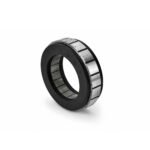 Frameless Torque Motor HBM
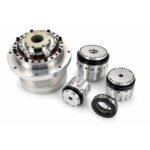 Rotary Actuators
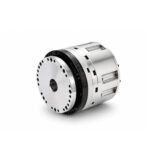 Joint Rotary Actuators Series HAG
 Rotary Actuators Series HPG

Introduction: The Iron Horses of Smart Warehouses
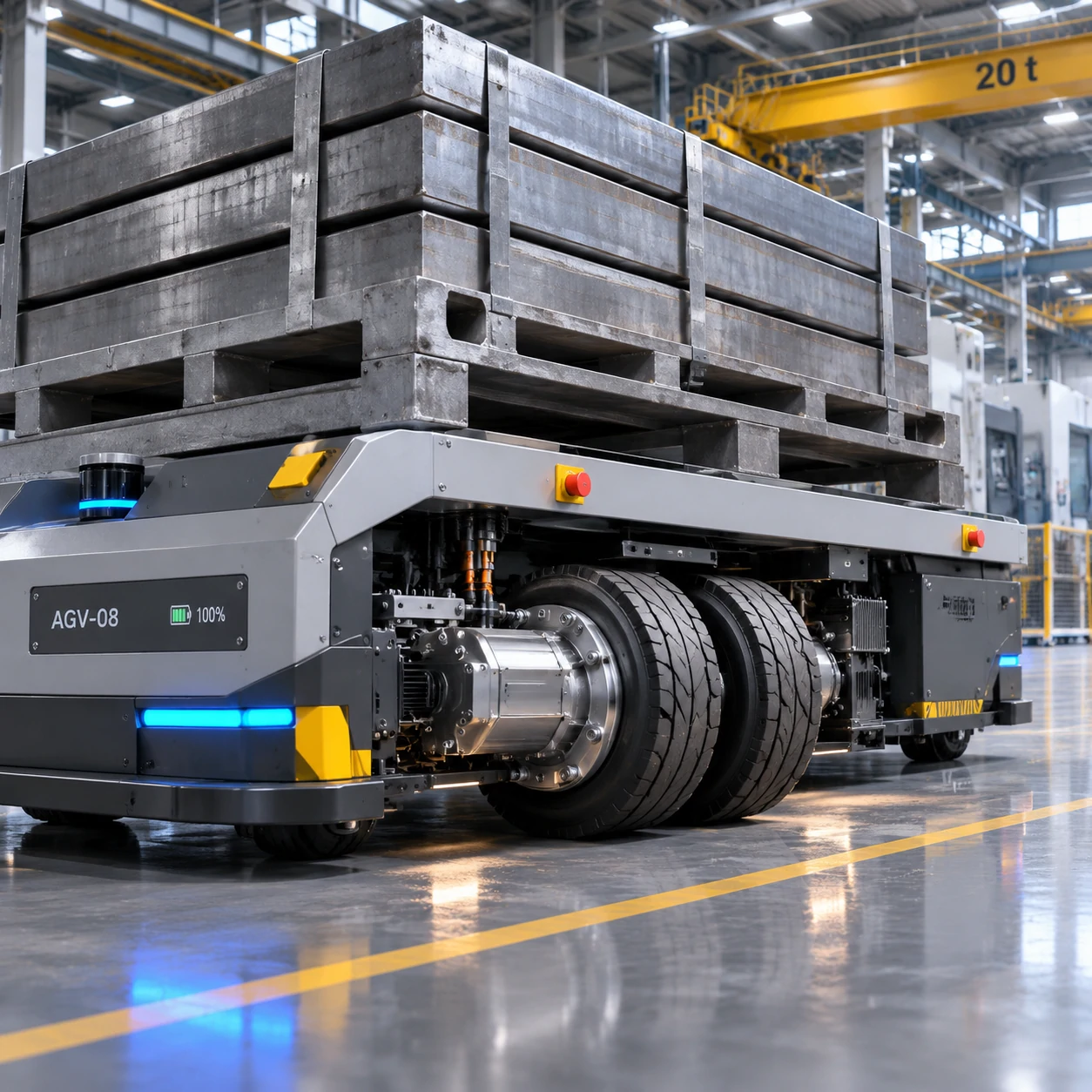
In modern manufacturing plants, distribution centers, and heavy industrial yards, Automated Guided Vehicle (AGV) platforms serve as the undisputed iron horses of logistics. Day and night, these robust robotic transporters haul multi-ton coils of steel, pallets of consumer goods, and heavy automotive sub-assemblies across vast factory floors without a single human hand touching the steering wheel.
However, designing a vehicle capable of safely moving tons of industrial material is a severe mechanical challenge. While an autonomous mobile robot (AMR) might prioritize agile, erratic dodging capabilities, a heavy-duty AGV prioritizes raw traction, unwavering straight-line stability, and immense continuous torque. At the center of this reliability is elite motion control engineering. This guide explores the specialized powertrain and motion requirements essential for modern heavy-duty AGV design.
The Unique Demands of Heavy-Duty AGV Operations
Designing a drivetrain for an industrial AGV means confronting physical forces that quickly expose the weaknesses of standard commercial motors and gearboxes.
Overcoming Static Friction and Massive Starting Inertia
When an AGV is fully loaded with a multi-ton payload, the static friction of the floor and the sheer mass of the vehicle create massive starting inertia. The motors must deliver immense low-speed torque to break static friction smoothly without wheel slip or violent jerking, which could destabilize the cargo.
Maintaining Traction and Stability on Inclines and Ramps
Industrial facilities often feature transition ramps, loading docks, and slight inclines. A heavy-duty AGV must navigate these slopes while fully loaded, requiring precise torque regulation to prevent roll-back during stops and steady current delivery during climbs. This demands high thermal headroom from the drive electronics and motors.
Drivetrain Architecture: Differential vs. Steerable Drive Units
Depending on the plant layout, payload geometry, and navigation style, engineers configure AGV drivetrains using different mechanical layouts.
Dual-Wheel Differential Drive for Simple Point-to-Point Routing
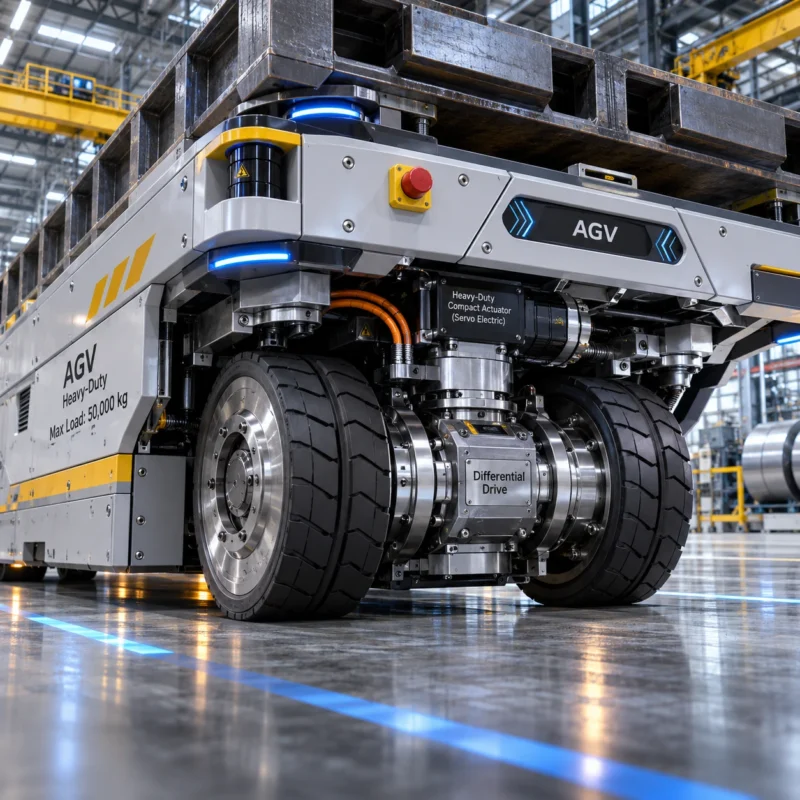
The dual-wheel differential drive is the most common architecture for heavy-duty AGVs. It uses two independently driven coaxial wheels for propulsion and steering, supported by passive caster wheels for balance. By varying the relative speeds of the two drive wheels, the vehicle turns smoothly. It is cost-effective, mechanically straightforward, and exceptionally reliable for point-to-point path cruising.
Steerable Drive Wheels for Enhanced Maneuvering and Precise Docking
For applications requiring tighter turning radiuses, crab-walking capabilities, or ultra-precise docking accuracy against assembly lines, steerable drive units (such as single or dual caster-steering wheels) are employed. These systems require compact, high-torque rotary actuators to rotate the entire drive wheel assembly under heavy vertical loads.
Maximizing Energy Efficiency and Battery Runtime
Because industrial AGVs operate on heavy onboard battery packs, energy management directly dictates operational costs.
The Hidden Energy Drains of Conventional Gearboxes
Traditional AGV powertrains often rely on worm gears or multi-stage planetary gearboxes coupled with standard induction or DC motors. While inexpensive upfront, these mechanical configurations suffer from high internal friction and parasitic power losses. Every watt lost to mechanical heat is a watt stolen from the vehicle’s daily operational runtime, leading to more frequent charging intervals and reduced fleet productivity.
Leveraging High-Efficiency Actuators to Extend Fleet Battery Life
Modern AGV designers are shifting toward high-efficiency, low-loss motion components. By utilizing direct-drive architectures or high-efficiency integrated actuators with optimized gear geometries, powertrain designers can drastically reduce internal friction. This conversion efficiency extension translates directly to longer battery runtimes, fewer vehicles required in the charging rotation, and a significantly lower Total Cost of Ownership (TCO).
Engineering for Durability on the Factory Floor
Factory floors are rarely pristine laboratories; they feature expansion joints, metallic floor plates, and occasional debris.
Shock-Load Resistance Against Floor Expansion Joints
When a 2,000kg AGV drops across a concrete expansion joint, the sudden mechanical shock travels directly down through the wheel assembly and into the motor bearings and gear teeth. Drivetrain components must feature high shock-load resilience and robust output bearings (such as heavy-duty cross-roller bearings) to prevent premature bearing failure or catastrophic gear stripping.
Sealed Enclosures to Prevent Dust and Debris Ingress
Industrial environments are rich in airborne dust, metal shavings, and fluid spills. To ensure 24/7 reliability, AGV drive components must feature fully sealed, IP-rated enclosures. Keeping moisture and abrasive particulates away from the sensitive internal windings and encoders prevents unexpected mid-shift breakdowns.
Conclusion: Empowering the Heavy Lifters of Logistics
The future of factory logistics relies on platforms that are faster, smarter, and infinitely more capable of handling heavy loads. As automated facilities scale up their material handling demands, the quality of the underlying motion control and powertrain architecture remains the ultimate determinant of operational success.
By prioritizing high efficiency, robust shock-load resistance, and compact component integration, mechanical designers can build heavy-duty AGVs that maximize uptime and battery longevity. The right drivetrain is the invisible engine powering the future of smart logistics.
FAQ Section: AGV Motion Control Engineering Q&A
Q1: How do I calculate the continuous torque required for a heavy-duty AGV driving up a ramp?
Calculating ramp torque requires summing three primary forces: the gravitational force pulling the total vehicle mass down the slope (
Mass×g×sin(θ)Mass×g×sin(θ)), the rolling resistance of the wheels against the floor surface, and the internal mechanical friction losses of the drivetrain. Always select a motor and drive capable of delivering this continuous RMS torque well within their thermal limits to prevent overheating on long inclines.
Q2: Why are direct-drive or low-ratio integrated actuators preferred over high-ratio worm gears in modern AGV designs?
While worm gears offer high reduction, they suffer from low mechanical efficiency (often 50% to 70%), converting precious battery power into waste heat. Low-ratio integrated actuators and direct-drive setups offer efficiencies exceeding 90%, providing superior dynamic response, smoother acceleration, and drastically extended battery runtime.
Q3: How do you protect drive wheels and motors from repetitive shock loads on uneven concrete floors?
Engineers protect drivetrain hardware by incorporating mechanical shock-absorbing suspension systems into the wheel forks or mounting plates, rather than rigidly bolting the motor directly to the unyielding frame. Additionally, selecting actuators equipped with heavy-duty output bearings ensures the internal motor components are isolated from direct impact forces.