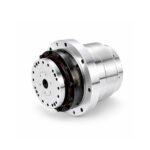
 Joint Rotary Actuators Series HAT
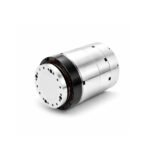 Joint Rotary Actuators series HAS
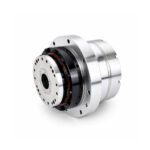 Joint Rotary Actuators Series HAMF
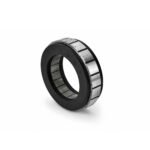 Frameless Torque Motor HBM
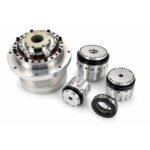 Rotary Actuators
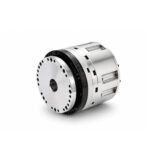 Joint Rotary Actuators Series HAG
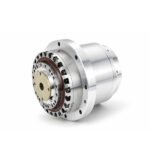 Rotary Actuators Series HPG


Introduction: Precision that Protects and Heals
The stakes in healthcare engineering are higher than in almost any other sector. When designing modern medical equipment—whether it is a complex minimally invasive surgical robot, a high-resolution diagnostic imaging gantry, or an automated laboratory sample analyzer—the margin for error is effectively zero. A single mechanical failure or micro-positioning error can compromise patient safety or invalidate critical diagnostic results.
At the heart of these advanced machines lies the rotational joint. Choosing the right mechanism to drive that joint is a critical milestone for any R&D team. This guide provides a practical, step-by-step methodology for actuator selection, helping mechanical designers navigate the complex trade-offs between torque, size, precision, and compliance when developing a high-performance medical device.
The Four Pillars of Medical-Grade Actuation
Before diving into sizing calculations, you must evaluate what makes an actuator truly “medical-grade.” Unlike standard industrial machinery, medical equipment operates under distinct operational constraints.
Absolute Positioning Accuracy and Zero Backlash
In surgical robotics and precision tracking, mechanical play is completely unacceptable. If an actuator exhibits backlash (play between gear teeth), the robot’s end-effector will lag behind control commands, resulting in trajectory errors. Medical-grade rotary actuators utilize zero-backlash mechanisms, such as specialized strain wave gearing, to ensure that absolute positioning accuracy remains pristine over millions of cycles.
Silent, Vibration-Free Operation for Patient Comfort
Hospitals and clinical environments require low-noise equipment. Noisy, grinding gearboxes cause patient anxiety and interfere with clinical workflows. Furthermore, motor vibration can introduce unwanted resonance into sensitive medical instruments. Selecting a low-cogging, smooth-running rotary actuator ensures a quiet, vibration-free experience.
High Torque Density in Miniature Envelopes
Space inside modern medical devices is heavily restricted. Whether fitting inside a robotic wrist or a portable diagnostic cartridge, components must be miniaturized. Achieving high torque output from a tiny physical envelope requires advanced magnetic topologies, such as frameless torque motors and optimized multi-stage gear reductions.
Step 1: Evaluating Torque, Speed, and Duty Cycles
The first engineering phase of actuator selection is crunching the numbers to match physics with your application profile.
Factoring in Continuous RMS Load vs. Peak Surgical Bursts
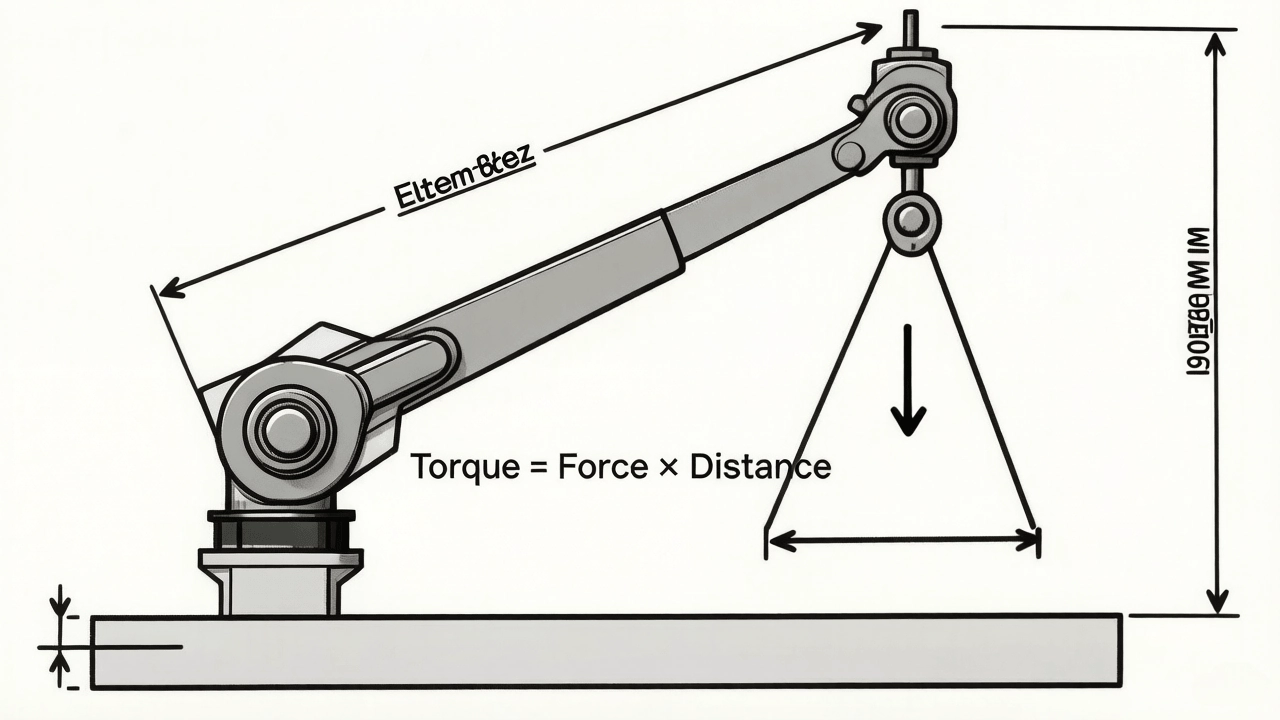
Medical devices often experience erratic load profiles. A surgical robot arm might hold a steady position for minutes, and then suddenly exert a high peak torque to push through dense tissue or bone. You must calculate both the continuous Root Mean Square (RMS) load for thermal management and the peak acceleration torque to ensure the actuator never stalls during critical maneuvers.
Dynamic Acceleration and Inertia Mismatch in Articulated Arms
In multi-axis medical arms, downstream joints carry the weight of all downstream actuators. Managing the inertia ratio between the motor and the load is vital. If the inertia mismatch is too high, the system will overshoot or oscillate, ruining the fluid movement required for delicate medical tasks.
Step 2: Choosing Between Hollow and Solid Shaft Configurations
Mechanical integration dictates how cleanly your machine comes together.
Routing Surgical Tools and Fiber Optics Through the Core
Many medical applications require routing utilities—such as fiber-optic camera cables, laser fibers, or surgical irrigation tubing—directly through the center of the rotating axis. Traditional solid shafts force complex, fragile external cable routing that wears out prematurely.
When to Specify a Hollow Rotary Actuator
If your design involves continuous 360-degree rotation where wires cannot twist or bind, specifying a hollow rotary actuator is mandatory. The generous central bore provides a protected internal highway for all vital electrical and fluid lines, resulting in a cleaner, safer, and more reliable medical device layout.
Step 3: Feedback Resolution and Safety Compliance
Control electronics and regulatory standards seal the deal on your final component choice.
The Necessity of Absolute Encoders in Robotic Surgery
In critical healthcare applications, “homing” a robot by hitting a physical limit switch at startup is often unsafe or impossible. Medical-grade actuators are typically equipped with high-resolution absolute encoders. These sensors remember exact joint positions even when power is cycled off, ensuring the system knows its precise coordinates the micro-second it powers up.
Failsafe Brakes and Material Biocompatibility
Patient safety demands fail-safe engineering. Vertical axes or gravity-loaded joints require integrated mechanical holding brakes that engage automatically if power is cut. Additionally, external materials must withstand chemical sterilization agents, such as hydrogen peroxide vapors, without oxidizing or shedding micro-particulates.
Conclusion: Building Trust Through Mechanical Excellence
Proper actuator selection bridges the gap between theoretical medical innovation and physical reality. By demanding absolute precision, zero backlash, silent operation, and high torque density, medical device designers can build instruments that protect patients, empower surgeons, and elevate clinical outcomes.
Precision motion control is the trusted invisible partner of modern healthcare engineering. Choosing the right hardware ensures your medical device performs reliably when it matters most.
FAQ Section: Medical Actuator Selection Q&A
Q1: What is the maximum allowable backlash for a surgical robot joint rotary actuator?
For surgical robotics, the gold standard is absolute zero backlash (or less than 1 arc-minute). Any mechanical play at the joint level is magnified across the length of the instrument shaft, resulting in a loss of hand-eye coordination translation for the surgeon.
Q2: How do we ensure the actuator does not overheat during prolonged surgical procedures?
Thermal management is critical in medical devices since excess heat can cause discomfort or tissue damage if in contact with patients. Engineers utilize high-efficiency direct-drive topologies, excellent thermal conduction paths into the chassis, and real-time thermistor feedback monitored by the servo drive to prevent overheating.
Q3: Can Hobber Drive customize actuators for specific medical sterilization protocols?
Yes. For medical OEMs requiring specific operating environments, we can adapt material finishes, apply specialized sealing techniques, and utilize low-outgassing, medical-grade lubricants to ensure seamless compliance with standard hospital sterilization and cleanroom protocols.