 Joint Rotary Actuators Series HAT
 Joint Rotary Actuators series HAS
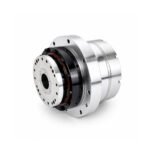 Joint Rotary Actuators Series HAMF
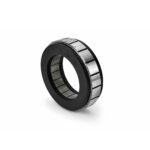 Frameless Torque Motor HBM
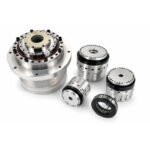 Rotary Actuators
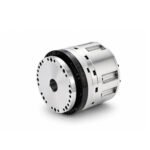 Joint Rotary Actuators Series HAG
 Rotary Actuators Series HPG
When engineering advanced automation systems, designers often face a common struggle. They must pack more sensors, power lines, and pneumatics into increasingly smaller machine footprints. Often, engineers prioritize motor torque and speed, treating cable routing as an afterthought.
However, poor wire management causes premature wear, unexpected downtime, and bulky exterior profiles. How can you simplify machine design while increasing functionality? The answer lies in structural optimization. By utilizing a large aperture actuator, engineers can solve complex routing challenges directly at the motion axis. This article explores how this hidden advantage transforms precision equipment.
Modern precision motion control applications demand extreme flexibility. Yet, the physical cables connecting sensors and end-effectors limit this flexibility.
The Problem with Traditional Solid Shaft Systems
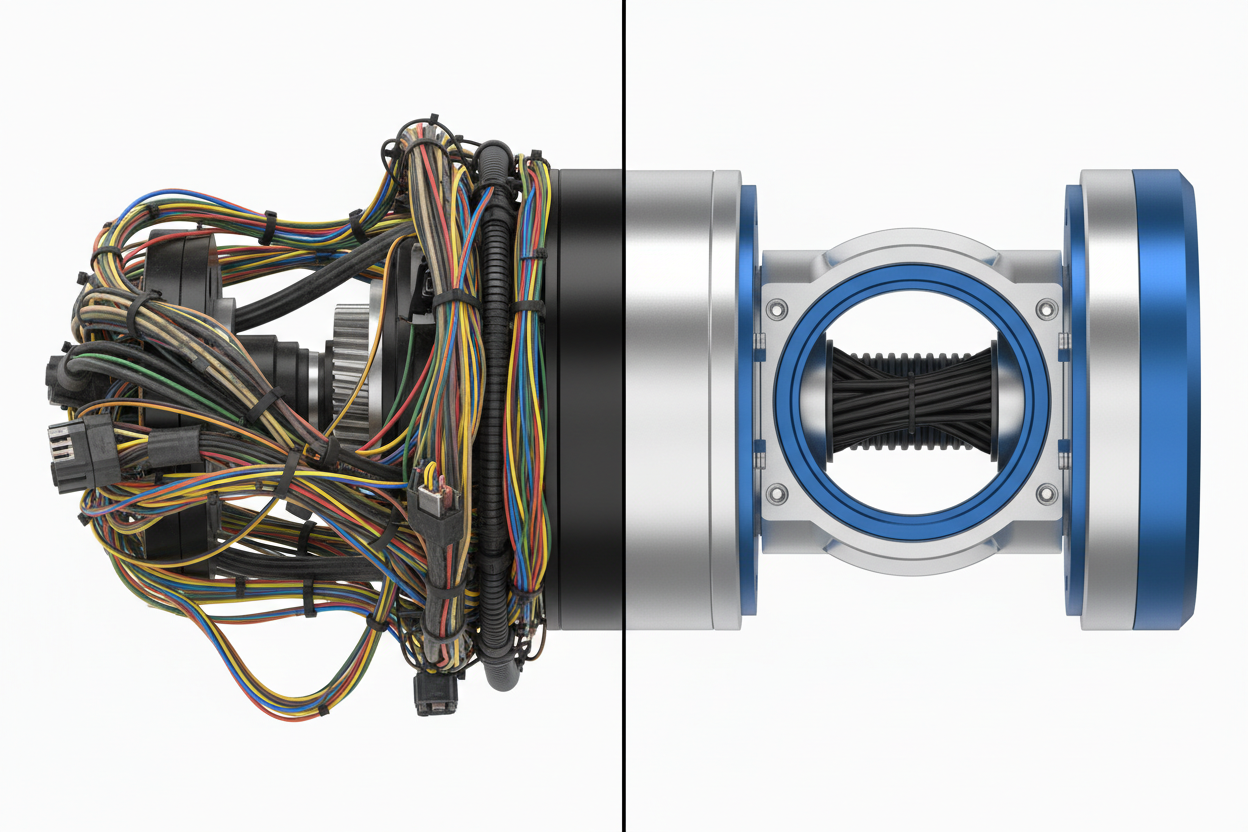
Traditional solid shaft systems force engineers to route cables around the exterior of the rotating joint. When the joint rotates, these external cables must twist and bend. This severely restricts the range of motion. It often prevents continuous 360-degree rotation, forcing the machine to pause and “unwind” before continuing its task.
Why Poor Wiring is More Than Just an Aesthetics Issue
External routing is not just ugly; it is dangerous. Cables subjected to constant bending suffer from fatigue and eventually break. Furthermore, routing high-voltage power cables next to sensitive signal wires outside the joint increases the risk of Electromagnetic Interference (EMI).
What Makes a Large Aperture Actuator Different?
To solve these routing nightmares, engineers turn to . But sometimes, a standard hollow bore is simply not wide enough.
Redefining the Hollow Shaft Actuator
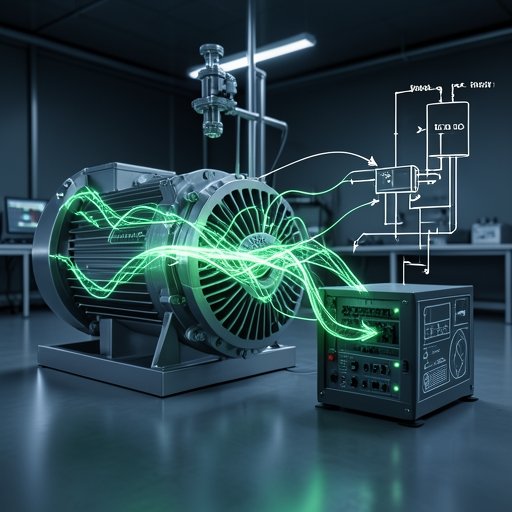
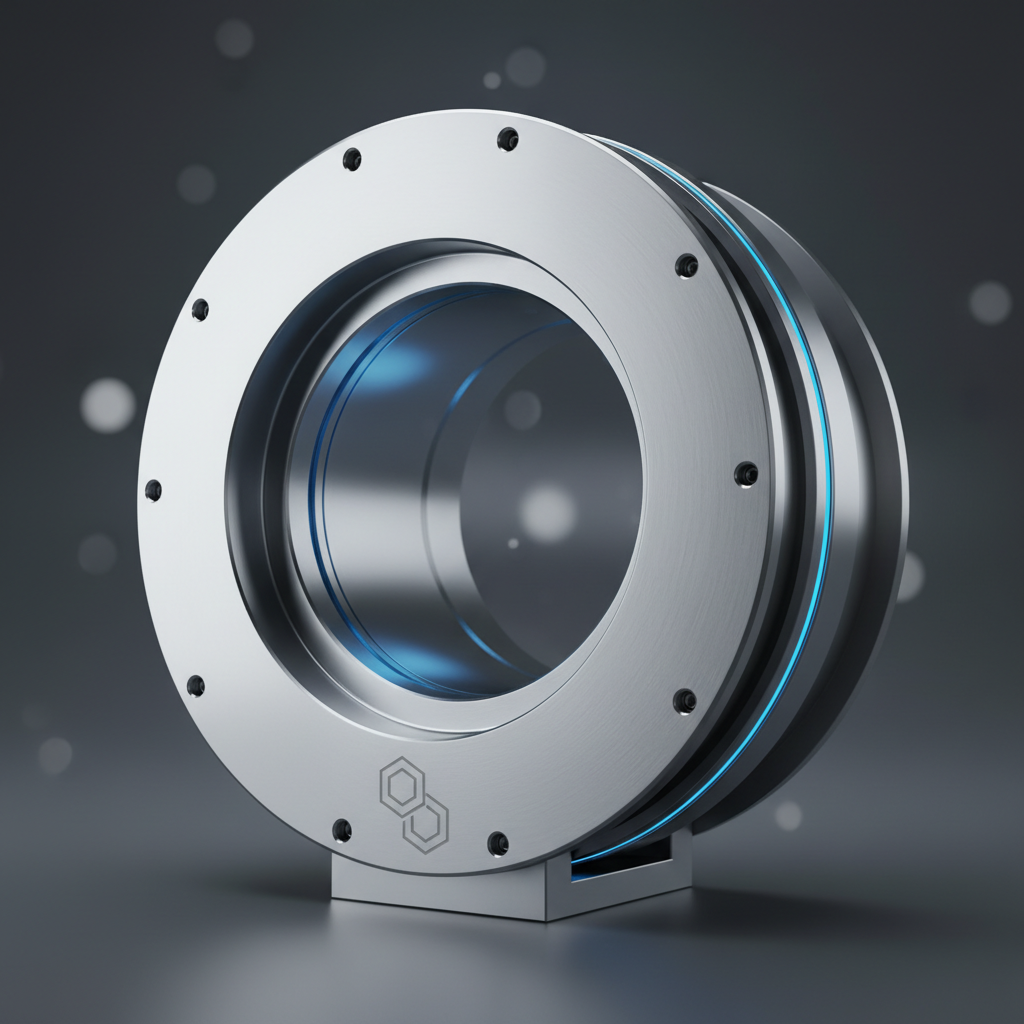
A large aperture actuator takes the hollow shaft concept to the extreme. It maximizes the inner diameter of the rotating axis while minimizing the outer footprint. This creates a massive “through-hole” right in the center of the motor and gearbox assembly.
Direct Drive Integration Around the Bore
Achieving this requires advanced engineering. The system utilizes a direct drive motor, where the stator and rotor are built as large rings surrounding the central bore. This eliminates gears blocking the center, providing a clear, unobstructed path for your most critical utilities.
How an Enlarged Bore Transforms Machine Design
Integrating a large bore actuator fundamentally changes how you architect a machine. Here are the three primary transformative benefits.
Centralized Cable Routing for Infinite Rotation
By passing cables straight through the center of the rotational axis, you eliminate the bending radius problem. Cables twist gently along their axis rather than bending sharply around an exterior housing. This internal routing allows for infinite, continuous rotation without tangling or stressing the wires.
Passing Pneumatic Lines, Fluids, and Laser Beams
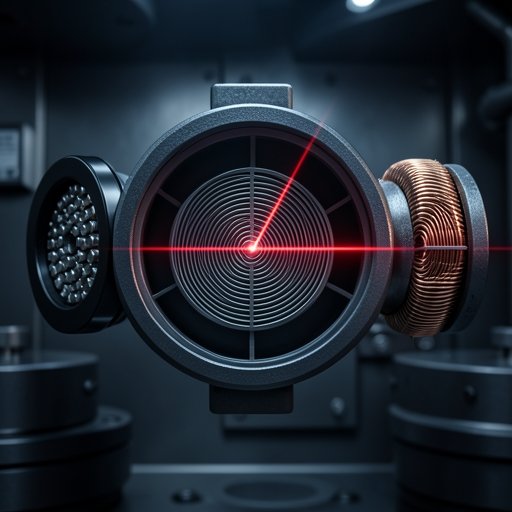
The enlarged bore accommodates much more than just thin electrical wires. Designers can pass thick pneumatic lines for vacuum grippers, fluid hoses for cooling systems, or even direct a laser beam straight through the center of the axis for processing equipment.
Eliminating the Need for Complex, Failure-Prone Slip Rings
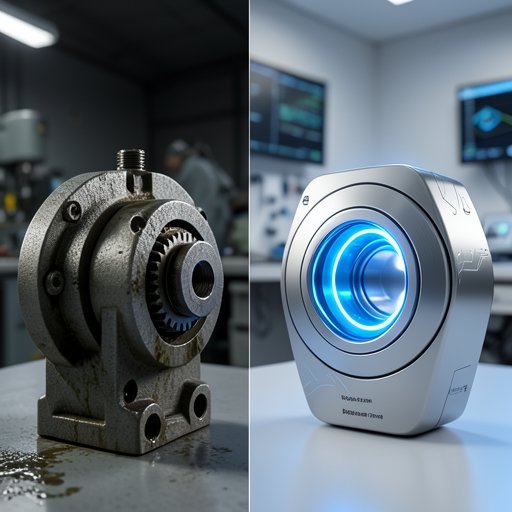
How to simplify machine wiring without slip rings? Traditionally, engineers use slip rings to transmit power across a rotating joint. However, slip rings add friction, introduce electrical noise, and wear out over time. A generous hollow bore allows you to route flexible, continuous cables directly through the joint, completely eliminating the need for expensive and unreliable slip rings.
Key Applications for Large Bore Rotary Actuators
This specialized hardware shines in industries where space, cleanliness, and complex tooling are critical.
Semiconductor Wafer Handling and Inspection
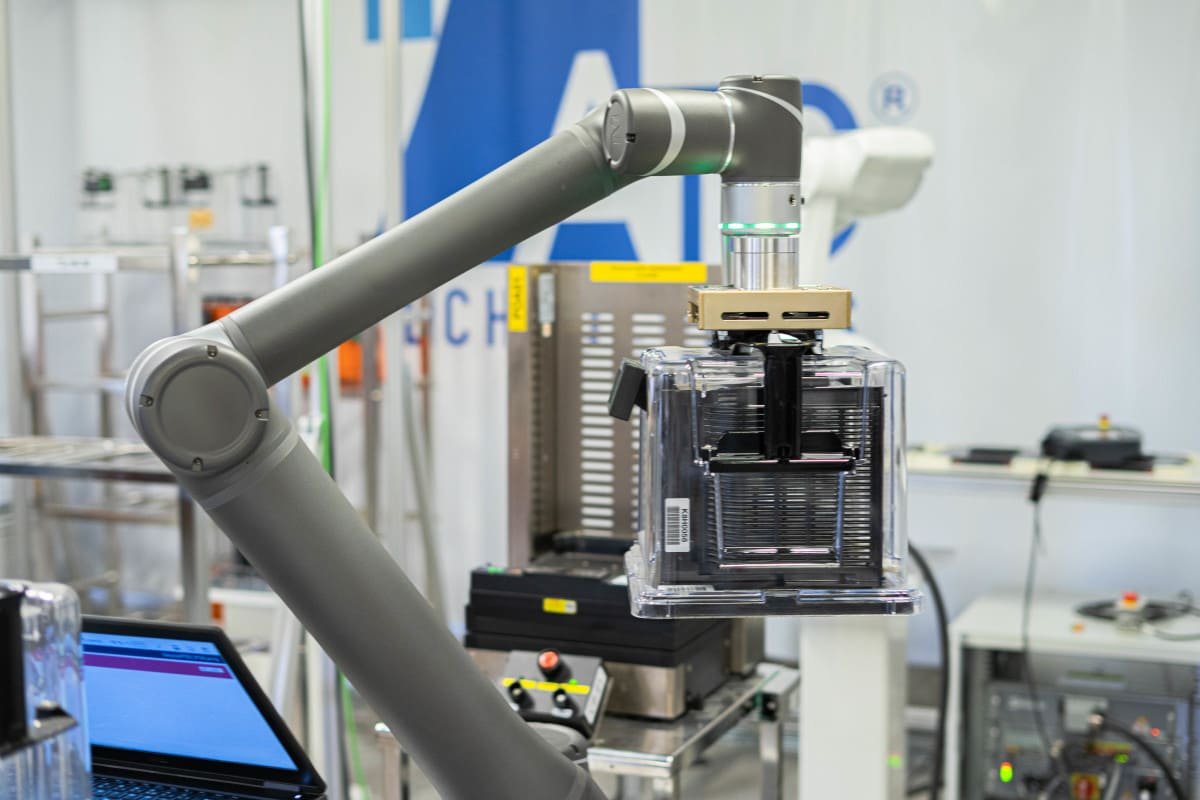
In the Semiconductor industry, cleanliness is paramount. External rubbing cables generate microscopic dust particles that ruin yields. By routing cables internally through a large aperture actuator, manufacturers ensure a sterile, low-particle environment for wafer handling robots and inspection turntables.
Advanced End-of-Arm Tooling (EOAT) in Robotics
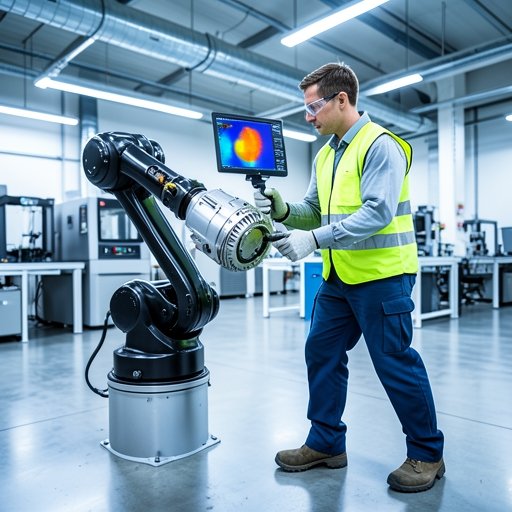
Modern EOAT features cameras, force sensors, and complex grippers. All these require power and data. Large bore actuators serve as the perfect “wrist” joint for robots, allowing all necessary lines to pass safely through the wrist to the tooling without external snag hazards.
Multi-Axis CNC Rotary Tables
For CNC Rotary Tables, passing hydraulic clamping lines and sensor cables to the rotating fixture is a major design hurdle. An actuator with an enlarged bore handles these lines effortlessly, maintaining a compact profile while delivering the high torque required for machining.
Conclusion: Streamline Your Build from the Inside Out
An enlarged bore is not just a minor hardware feature; it is a fundamental shift in how machines are architected. By embracing a large aperture actuator, you protect critical cables, eliminate failure points like slip rings, and achieve a sleeker, more reliable machine design.
If you are struggling with spatial constraints and complex wire management, it is time to upgrade your motion components. to see how an enlarged bore actuator can streamline your next automation build.
FAQ Section: Common Questions About Hollow Shaft Designs
Q1: Does a larger aperture compromise the actuator’s rigidity or torque output? No. Advanced designs utilize large-diameter ring motors and specialized cross-roller bearings. This ensures the actuator maintains exceptional torsional rigidity and high torque output, even with a significantly enlarged central bore.
Q2: How large can the hollow bore of a rotary actuator typically be? Bore sizes vary by model, but specialized large aperture series (like our HAMF line) offer inner diameters ranging from 30mm up to 150mm or more, accommodating substantial cable bundles and tubing.
Q3: Can I route both high-voltage power cables and sensitive signal wires through the same shaft? How to route cables in robot arm safely? While you can route them through the same bore, it is highly recommended to physically separate them or use heavily shielded cables to prevent EMI from the power lines affecting your signal integrity.
Q4: Are these actuators sealed against dust and liquids? Yes. High-quality industrial models are designed with IP65 ratings or higher. This ensures that the internal motor and bearing components are fully protected from harsh factory environments, even while utilities pass through the open center. If you need help selecting a sealed model, please