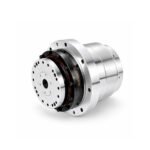
 Joint Rotary Actuators Series HAT
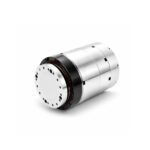 Joint Rotary Actuators series HAS
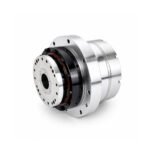 Joint Rotary Actuators Series HAMF
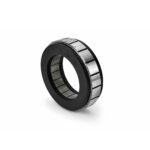 Frameless Torque Motor HBM
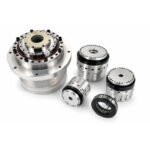 Rotary Actuators
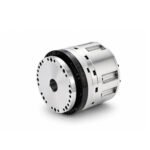 Joint Rotary Actuators Series HAG
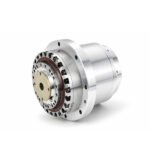 Rotary Actuators Series HPG
Introduction: Protecting Your Automation Investment
In the world of industrial automation, the true cost of a component is not just its purchase price; it is the cost of the unplanned downtime it causes if it fails. When a production line stops, every minute translates to lost revenue.
Because precision components like a rotary actuator are at the mechanical heart of your machine, they require proactive care, not just reactive repair. Waiting for an actuator to fail before servicing it is a dangerous and expensive strategy. The goal of this guide is to provide a practical actuator maintenance roadmap to help you protect your investment, prevent sudden breakdowns, and ensure unshakeable system reliability over the long term.
The Foundation of Actuator Maintenance and System Reliability
Effective maintenance begins with a mindset shift and a thorough understanding of the environment in which your hardware operates.
Shifting from Reactive to Preventative Maintenance
Reactive maintenance is fixing what is already broken. Preventative maintenance is scheduled, proactive care designed to keep the machine running perfectly. By scheduling regular inspections during planned downtime shifts, you can identify minor wear and tear before it snowballs into a catastrophic mechanical failure. This approach dramatically increases the overall lifespan of your motion system.
How Operating Environments Affect Actuator Lifespan
The environment is the biggest external factor dictating an actuator’s survival. High ambient temperatures degrade internal grease faster. A dusty environment can eventually defeat protective seals, allowing abrasive particles into the precision gears. If your actuator operates in a harsh environment—such as a CNC milling chamber with coolant mist or a dusty packaging facility—your inspection intervals must be significantly shorter than those for an actuator in a cleanroom.
Routine Inspection Checklist for Your Rotary Actuator
A rigorous visual and physical inspection should be performed monthly or quarterly, depending on your machine’s duty cycle.
Listening for Abnormal Noise and Vibration
Your ears are excellent diagnostic tools. A healthy rotary actuator produces a smooth, consistent hum. If you begin to hear grinding, high-pitched whining, or a rhythmic “clicking” synchronized with the rotation, these are early warning signs. Abnormal noise typically indicates compromised bearings, gear tooth wear, or internal contamination. Document any changes in sound profiles immediately.
Visual Checks for Seal Integrity and Contamination
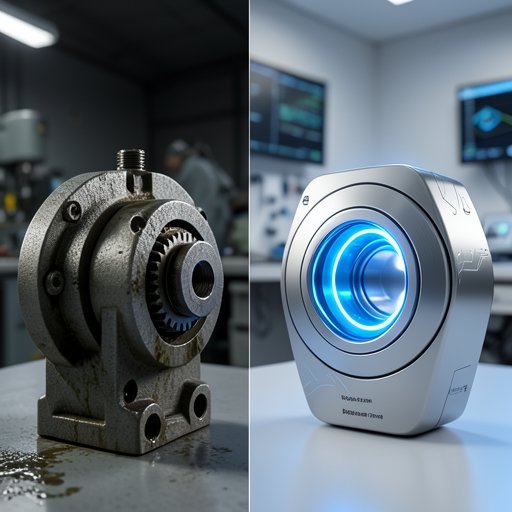
Inspect the outer housing and the output flange for any signs of grease or oil leakage. A compromised seal not only lets lubricant escape but also allows environmental contaminants to enter. Wipe the housing clean during every inspection; if a wet, oily film returns quickly, a seal replacement may be necessary. Additionally, check all electrical connectors to ensure they are tight and free from corrosion.
Thermal Monitoring to Prevent Overheating
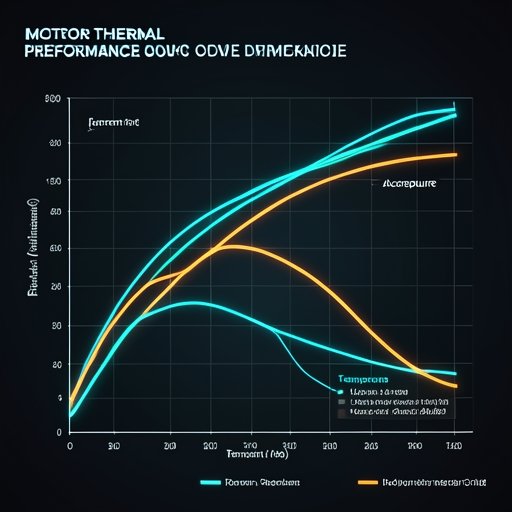
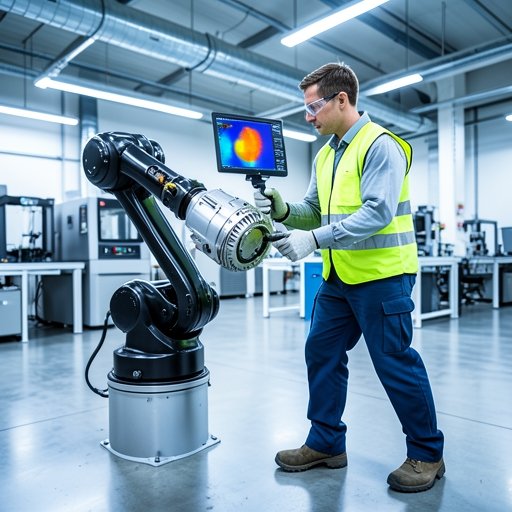
Excessive heat destroys permanent magnets and melts wire insulation. Use an infrared thermometer or a thermal imaging camera to measure the surface temperature of the actuator after it has been running under normal load for an hour. Compare this to the manufacturer’s safe operating limits. A sudden, unexplained increase in operating temperature usually points to increased internal friction or a failing bearing.
Lubrication and Mechanical Care: The Truth About Grease
Lubrication is the lifeblood of any mechanical transmission, but improper handling can cause more harm than good.
Understanding Factory-Sealed vs. Relubricated Units
Many high-precision actuators, especially those utilizing strain wave gears (harmonic reducers), are “lubricated for life” and factory-sealed. Under normal operating conditions, they never require regreasing. In fact, opening a sealed unit on a factory floor often introduces dust that destroys the gears. Always check the manual. If the unit features a grease nipple, adhere strictly to the manufacturer’s recommended lubrication schedule and use only the exact type of grease specified. Mixing incompatible greases causes chemical breakdown.
Protecting Internal Bearings and Precision Gears
The internal cross-roller bearings and precision gears rely on a microscopic film of lubricant. Maintaining the integrity of this film relies entirely on keeping the internal cavity sealed. Never use high-pressure air or aggressive chemical solvents to clean the exterior of the actuator, as this can force debris past the IP-rated seals and into the delicate internal mechanics.
Operational Best Practices to Extend Lifespan
Much of what is considered “wear and tear” is actually the result of improper operational programming.
Respecting Torque Limits and Duty Cycle Ratings
Every rotary actuator has a continuous torque rating and a peak torque rating. The peak rating is for short bursts of acceleration, not continuous work. Consistently pushing an actuator to its peak torque limit will overheat the motor coils and accelerate gear fatigue. Ensure your motion profile keeps steady-state operations well within the continuous duty region.
The Danger of Accidental Shock Loads and Emergency Stops
Precision gearboxes are highly vulnerable to impact forces. An accidental machine crash or a hard Emergency Stop (E-Stop) while moving a heavy payload sends a massive shockwave through the gear teeth. While high-quality actuators are built to survive occasional shocks, repeated E-stops will rapidly degrade the mechanical stiffness and introduce backlash. Design your control system to use controlled decelerations whenever safety protocols allow.
Conclusion: Consistent Care Equals Consistent Performance
A high-performance rotary actuator is an engineering marvel designed to work tirelessly in the background. However, it cannot care for itself. By implementing a strict preventative actuator maintenance routine, monitoring thermal and acoustic behavior, and programming motion profiles that respect the hardware’s limits, you virtually eliminate the risk of unexpected breakdowns.
Consistent care equals consistent performance. Treat your motion components with engineering discipline, and they will reward you with years of unshakeable system reliability and maximized lifespan.
FAQ Section: Expert Troubleshooting Advice
Q1: How often should I perform routine actuator maintenance?
For standard industrial environments running single shifts, a thorough visual and acoustic inspection every three to six months is standard. For 24/7 operations, heavy-duty applications, or extremely dusty/wet environments, inspections should be conducted monthly.
Q2: Can I relubricate a sealed harmonic reducer myself?
No. Highly integrated actuators utilizing strain wave gears are assembled in cleanrooms with precise amounts of specialized grease. Opening the housing voids the warranty and introduces contaminants. If a sealed unit fails or begins leaking, it typically requires returning to the manufacturer for factory refurbishment or complete replacement.
Q3: What does a sudden increase in motor operating temperature indicate?
A sudden temperature spike usually indicates one of three things: a mechanical issue (failing bearings or increased friction due to a crash), an electrical issue (the servo drive sending excessive current to fight a mechanical bind), or an environmental issue (blocked cooling airflow around the machine). It should be investigated immediately before the motor burns out.