 Joint Rotary Actuators Series HAT
 Joint Rotary Actuators series HAS
 Joint Rotary Actuators Series HAMF
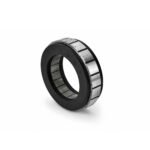 Frameless Torque Motor HBM
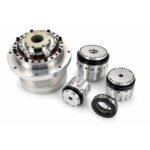 Rotary Actuators
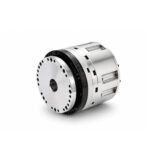 Joint Rotary Actuators Series HAG
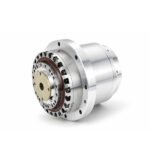 Rotary Actuators Series HPG

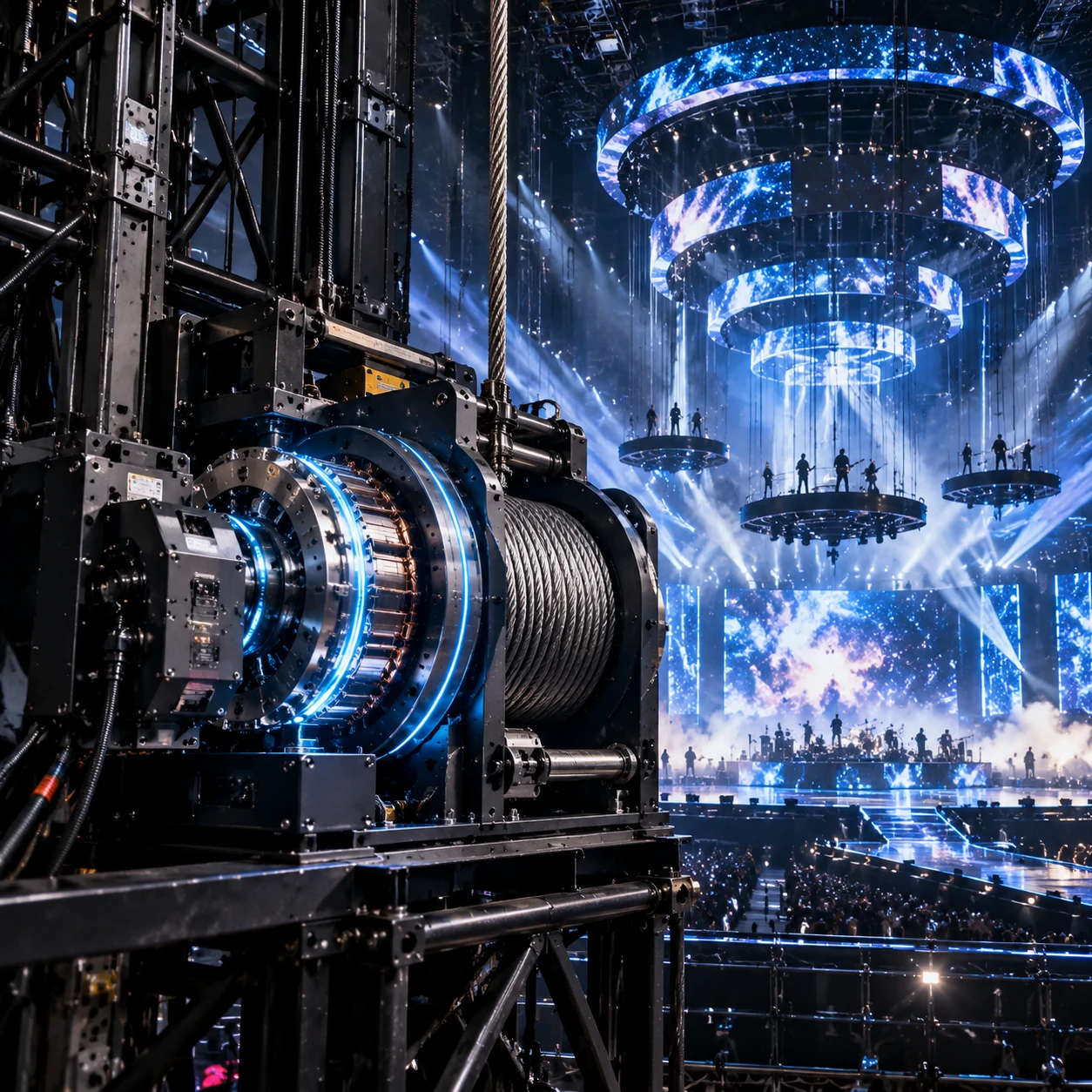
Introduction: The Unseen Mechanics Behind the Magic
Modern live entertainment is a sensory marvel. Whether attending a stadium concert, visiting an immersive theme park attraction, or watching a Broadway theatrical performance, audiences expect to be transported into fantastical worlds. Walls slide silently away, massive LED screens transform into flying kinetic sculptures, and performers soar effortlessly through the air.
To the audience, it looks like magic. To the engineer, it is a masterclass in precision engineering. Behind every breathtaking visual transition lies a sophisticated network of invisible machinery. Unlike industrial manufacturing, where factories prioritize pure speed and throughput, the entertainment industry operates under a different rulebook: absolute safety, flawless multi-axis synchronization, and near-zero acoustic noise. This article explores how advanced motion control and specialized hardware bring magic to life in stage automation.
The Unique Demands of Entertainment Engineering
Designing machinery for audience-facing environments presents engineering hurdles rarely found on a standard factory floor.
Absolute Zero Tolerance for Failures (Human Safety First)
In a traditional automated warehouse, a mechanical failure causes a halt in production. In the entertainment sector, a mechanical failure can result in catastrophic injury to performers or audience members. Stage machinery must meet stringent safety certifications (such as SIL3 or PLd/PLe ratings). Every actuator, brake, and controller must feature built-in redundancies to ensure that a single component failure never results in a falling load or an uncontrolled runaway axis.
The Mandate for Silent Operation in Audience-Facing Environments
Theatre sets and concert halls are acoustic spaces. If a winch motor whines or a gearbox grinds during a quiet, emotional scene on stage, the illusion is instantly broken. Stage automation requires whisper-quiet operation. This demand has pushed theater engineers to abandon noisy, traditional gear motors in favor of direct-drive solutions and high-precision silent motor architectures that operate below the threshold of human hearing.
How Frameless Motors and Actuators Enable Invisible Machinery
To keep stage effects truly “invisible,” the driving hardware must be small enough to hide inside scenery panels, props, or tight ceiling riggings.
High-Torque Density for Compact Stage Lifts and Winches
Flying performers and lifting heavy automated set pieces requires substantial lifting power. Using traditional bulky winches limits where effects can be placed. By integrating frameless torque motors directly into custom winch drums and lifting hubs, designers achieve massive torque density within a minimal physical profile. The motor becomes the drum itself, drastically reducing the required installation space.
Utilizing Hollow Shafts for Internal Cabling of Lights and Effects
Modern props and rotating stage platforms are often packed with onboard LED lights, smoke machines, or interactive sensors. Routing power and DMX/ Ethernet control cables to these moving elements without tangling is a nightmare with solid shafts. Hollow rotary actuators solve this by providing a clean, open center bore, allowing all utilities to pass safely through the axis of rotation for continuous, untangled movement.
Choreographing Complex 3D Trajectories
Moving a single lift up and down is straightforward. Coordinating dozens of independent axes to create a flowing, organic “kinetic sculpture” requires advanced software and hardware synergy.
Multi-Axis Synchronization for Kinetic Sculptures
Many modern stage shows feature arrays of winches moving in unison to form shifting geometric waves above the audience. This requires real-time industrial Ethernet protocols (like EtherCAT) to synchronize every axis within microseconds. If even one winch lags behind the others, the scenic element will twist, bind, or fail under uneven tension.
Smooth Jerk Control for Liquid-Smooth Scene Transitions
Just as important as synchronization is the quality of the movement profile. Sudden starts and stops cause hanging scenery to swing like a pendulum. By implementing advanced S-curve motion profiles with strict jerk limits, the control system ensures that heavy set pieces accelerate and decelerate with buttery smoothness, eliminating pendulum-like swaying entirely.
Failsafe Safety: Protecting Performers and Crowds
When humans share a space with heavy automated machinery, safety protocols dictate every layer of the design.
Integrating Dual Brakes and Safe Torque Off (STO)
Entertainment-grade actuators must incorporate dual, independent mechanical holding brakes—typically a spring-applied, electrically released brake on the motor and a secondary mechanical brake on the output shaft. Furthermore, integrating Safe Torque Off (STO) functionality into the servo drives ensures that power can be instantly and safely cut to the motor windings in an emergency without dropping the load.
Redundancy in Control and Power Distribution
To guarantee that a show goes on safely, core control systems often feature redundant architecture. Dual-channel feedback sensors, mirrored communication lines, and uninterrupted power supplies (UPS) ensure that if a primary signal fails, the backup system takes over seamlessly to bring the performance to a safe, controlled stop.
Conclusion: Where Art Meets Precision Engineering
The most captivating theatrical illusions rely on the most reliable, precise engineering. In the world of live entertainment, there are no second takes, and reliability is judged by a live audience.
By combining the structural power of compact actuators with the artistic compliance of intelligent motion control, engineers can build stage machinery that operates as an extension of the director’s imagination. Stage automation proves that when precision technology is executed flawlessly, it is indistinguishable from magic.
FAQ Section: Stage and Entertainment Motion Q&A
Q1: How do stage automation systems ensure zero audible noise near live microphones?
Engineers achieve silent operation by using direct-drive frameless motors (which eliminate metal-on-metal gear meshing), applying advanced sinusoidal current commutation to the servo drives to remove electromagnetic hum, and mounting actuators on vibration-dampening acoustic isolators.
Q2: What safety mechanisms prevent automated flying winches from dropping performers during a power failure?
All performer-flying winches are legally and mechanically required to use “fail-safe” mechanical holding brakes. These are spring-applied brakes that clamp shut automatically the moment electrical power is cut to the brake coil. Gravity cannot pull the load down because the mechanical friction holds it firmly in place until power is safely restored.
Q3: Can frameless motors handle the high peak loads of dynamic theme park rides?
Yes. While they have a small physical footprint, frameless motors are designed with high thermal and magnetic headroom. When paired with heavy-duty structural bearings and robust cooling paths, they routinely handle the aggressive, high-acceleration peak loads demanded by modern interactive theme park attractions.