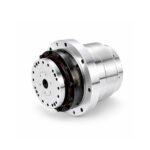
 Joint Rotary Actuators Series HAT
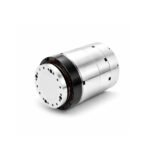 Joint Rotary Actuators series HAS
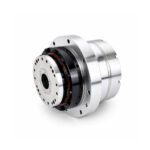 Joint Rotary Actuators Series HAMF
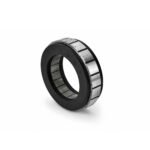 Frameless Torque Motor HBM
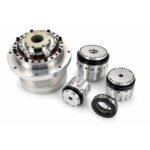 Rotary Actuators
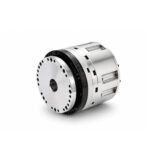 Joint Rotary Actuators Series HAG
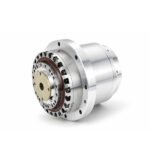 Rotary Actuators Series HPG

Introduction: The Unsung Workhorses of Process Industries
In the vast ecosystem of process manufacturing—spanning chemical synthesis, pharmaceuticals, water treatment, and food production—mixing and agitation are foundational. Every chemical reaction, batch consistency, and uniform suspension relies on the continuous work of an industrial mixer.
However, unlike automated assembly lines where components move back and forth in short bursts, an industrial agitator often runs continuously for hours under immense mechanical resistance. When processing high-viscosity fluids or heavy chemical slurries, standard motors and gearboxes face extreme fatigue. This case study explores how an industrial processing plant successfully resolved chronic thermal overloads and bearing failures by optimizing their drivetrain with a heavy-duty high torque actuator.
The Challenge: Thermal Overload and Bearing Failure in Mixing
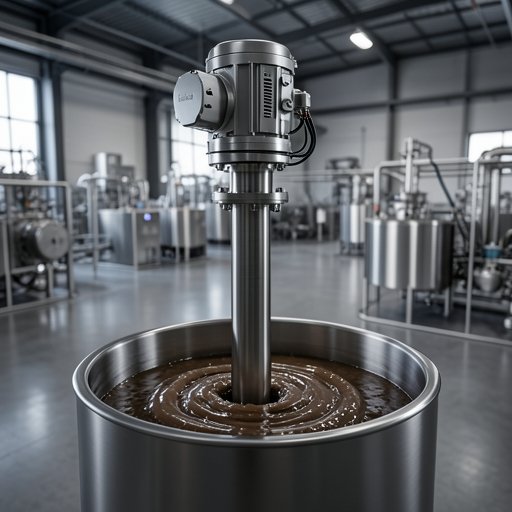
The client, a mid-scale chemical synthesis facility, operated a fleet of top-entry batch mixers designed to blend high-viscosity polymer resins. Their production targets required 24/7 continuous mixing cycles, which pushed their legacy drive systems past their mechanical limits.
Battling High Viscosity Resistance and Starting Inertia
Polymer resins become exceptionally thick during the initial mixing phases. When the agitator blades tried to start spinning inside a cold, highly viscous batch, the starting inertia and fluid resistance created massive peak torque spikes. The legacy motors stalled frequently, while the thermal overload relays constantly tripped, halting production lines and ruining entire batches of material.
Premature Bearing Wear from Radial Agitator Shaft Loads
Furthermore, the long cantilevered mixing shafts experienced severe radial and bending loads due to fluid turbulence. The traditional motor bearings were not designed to absorb these off-axis overturning moments. This caused the shafts to wobble, destroying internal seals and triggering premature gearbox failures every four to six months.
The Solution: Deploying Heavy-Duty Actuators for Continuous Agitation
Recognizing that band-aid repairs would not suffice, the plant’s engineering team initiated a complete redesign of the mixing head drive assembly.
Why Solid-Shaft High Rigidity Prevents Shaft Deflection
To solve the shaft wobble and bearing wear issues, the team selected a heavy-duty solid-shaft rotary actuator engineered for high rigidity. Unlike standard motors with thin, flexible shafts, this industrial actuator featured a robust, uninterrupted steel core supported by heavy-duty cross-roller output bearings. This design absorbed the radial turbulence of the mixing shaft effortlessly, holding the axis completely true under heavy loads.
Delivering Continuous High Torque Without Thermal Runaway
The replacement unit was specified with a high-torque-density motor combined with a high-efficiency precision gear reduction stage. This allowed the agitator to produce the necessary continuous torque at lower operating temperatures. The improved thermal management prevented the thermal runaway issues that previously plagued their batch runs.
Implementation: Engineering for 24/7 Process Reliability
The physical upgrade required careful attention to mechanical alignment and chemical-plant environmental factors.
Upgrading Drivetrain Stiffness to Eliminate Agitator Shaft Wobble
During installation, the heavy-duty actuator was bolted directly to a reinforced mounting flange on top of the mixing tank. The increased torsional stiffness of the new drivetrain completely eliminated the shaft wobble. Even when transitioning through the thickest phases of the polymer mixing cycle, the rotation remained rock-solid and smooth.
Implementing Heavy-Duty Seals for Harsh Chemical Environments
Because the chemical plant atmosphere contained corrosive vapors and moisture, the selected actuator was built with an IP67-rated sealed enclosure and specialized multi-lip fluoroelastomer seals. This prevented corrosive splashes and chemical fumes from attacking the internal bearings and windings, ensuring long-term survival in a hostile environment.
Real-World Results: Zero Downtime and Improved Mixing Uniformity
The optimization project delivered immediate, quantifiable operational improvements for the chemical facility.
Eliminating Motor Burnouts During High-Viscosity Batches
With a properly sized, high-torque drivetrain handling the initial starting inertia, motor burnouts dropped to zero. The agitators powered through high-viscosity fluid transitions smoothly, removing the friction points that previously caused thermal trips.
Quantifying the Long-Term ROI for Chemical Plant Operators
Over the first 12 months following the upgrade, the plant recorded a 100% reduction in unplanned maintenance interventions for their mixing stations. By eliminating frequent gearbox replacements and avoiding spoiled chemical batches, the facility achieved a full return on investment (ROI) in less than seven months.
Conclusion: Hardwearing Muscle for Heavy Processing
Process industries demand automation hardware that is built for punishment just as much as it is built for precision. When dealing with viscous chemicals, continuous cycles, and harsh wash-down environments, standard commercial-grade motors simply cannot survive.
By upgrading to a rugged, heavy duty architecture powered by a precision high torque actuator, plant operators can transform an unreliable bottleneck into a dependable powerhouse. Reliability in an industrial mixer is the direct result of matching elite mechanical muscle to demanding fluid dynamics.
FAQ Section: Industrial Agitator Engineering Q&A
Q1: How do you calculate the peak starting torque for an industrial mixer handling thick chemical slurries?
Calculating starting torque requires analyzing the fluid’s rheology (viscosity and shear thinning behavior), the geometry and diameter of the impeller blades, and the rotational speed. Because high-viscosity fluids exhibit high resistance at rest, engineers typically apply a safety factor of 2.0x to 2.5x over the running torque to ensure the motor and actuator can break static inertia without stalling.
Q2: Can a high torque actuator replace traditional motor-and-gearbox assemblies on top-entry mixers?
Yes. Modern heavy-duty rotary actuators combine the motor and precision gearing into a single, compact, pre-aligned housing. This eliminates the alignment errors, coupling slippage, and bulky frames typical of separate motor-and-gearbox assemblies, resulting in a cleaner and more rigid top-entry mounting.
Q3: What IP and material protections are necessary for actuators operating in corrosive chemical plants?
Actuators in chemical plants require a minimum of IP67 sealing to protect against moisture and wash-downs. Additionally, they often require specialized surface coatings (such as hard-anodized aluminum or epoxy powder coats) or stainless steel output components to resist corrosion from aggressive chemical fumes, acids, and cleaning solvents.