 Joint Rotary Actuators Series HAT
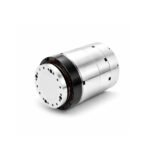 Joint Rotary Actuators series HAS
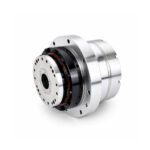 Joint Rotary Actuators Series HAMF
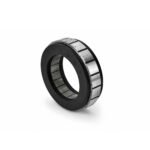 Frameless Torque Motor HBM
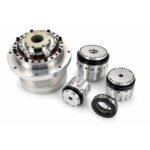 Rotary Actuators
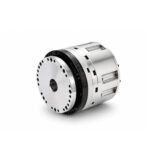 Joint Rotary Actuators Series HAG
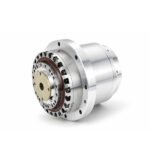 Rotary Actuators Series HPG

Introduction: The Science of Microliter Precision
The global push toward high-throughput screening, automated genomic sequencing, and point-of-care diagnostics has placed enormous demands on life science laboratories. To keep pace with sample volumes, medical instruments must execute millions of fluid transfers daily without human intervention.
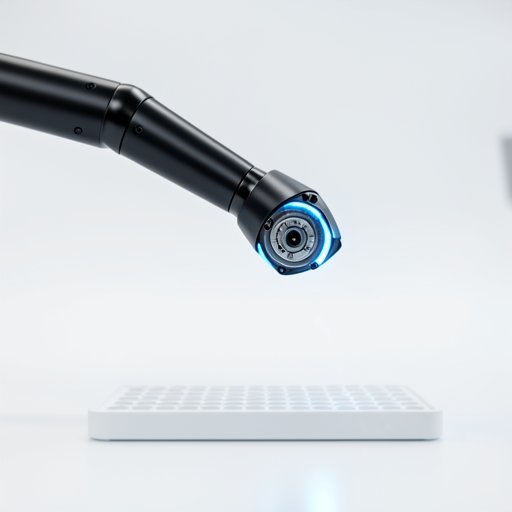
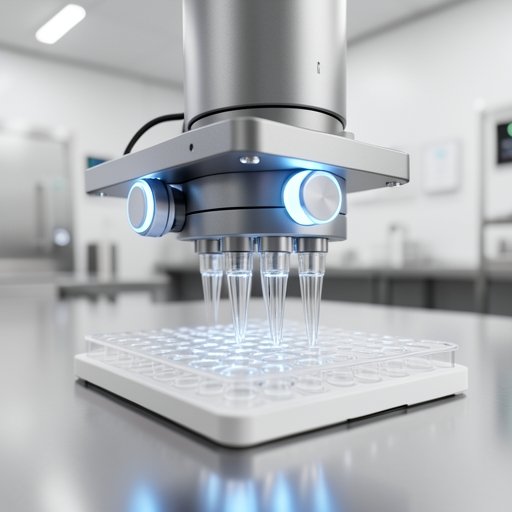
At the center of this capability is automated liquid handling. However, designing a machine that can repeatedly transfer microliter-scale volumes across 96-well or 384-well plates—while fitting inside a compact benchtop enclosure—presents severe engineering hurdles. This case study explores how an In-Vitro Diagnostics (IVD) manufacturer overcame spatial constraints and accuracy bottlenecks by integrating a compact actuator designed for elite precision positioning.
The Challenge: Overcoming Space Limits and Alignment Errors
The client, an established developer of clinical diagnostic equipment, was designing a next-generation automated pipetting workstation. Their initial prototypes, built using standard stepper motors and lead screws, fell short of commercial performance goals.
The Tight Real Estate of 96-Well and 384-Well Plates
Standard microplates pack dozens—or even hundreds—of tiny wells into an area smaller than a standard notebook page. The distance between adjacent wells is measured in millimeters. Consequently, the positioning gantry and rotary axes must align pipette tips with absolute, sub-millimeter repeatability. Any accumulation of mechanical tolerance stack-up results in a tip crashing into the side of a well or missing the sample fluid entirely.
How Mechanical Jitter Leads to Pipetting Volume Inconsistencies
In the original prototype, mechanical compliance in the drivetrain caused slight structural ringing whenever the gantry stopped above a well. This micro-jitter created fluid sloshing inside the pipette tips, leading to volume inconsistencies. In sensitive biological assays, a variation of even a fraction of a microliter can ruin an expensive test result.
The Engineering Solution: Integrating Compact Rotary and Linear Stages
To solve the dual problems of spatial limits and motion vibration, the engineering team turned to specialized motion control hardware.
Replacing Bulky Steppers with High-Resolution Actuators
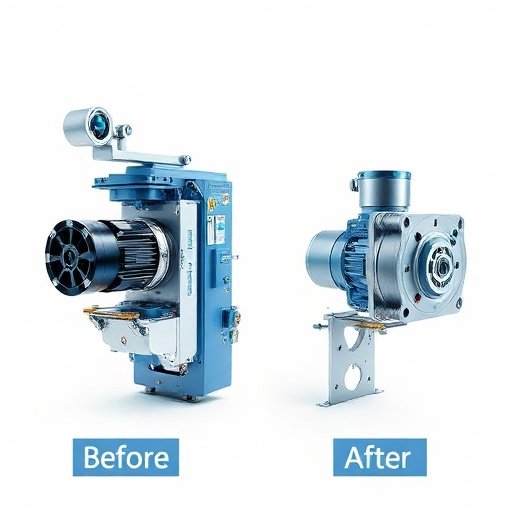
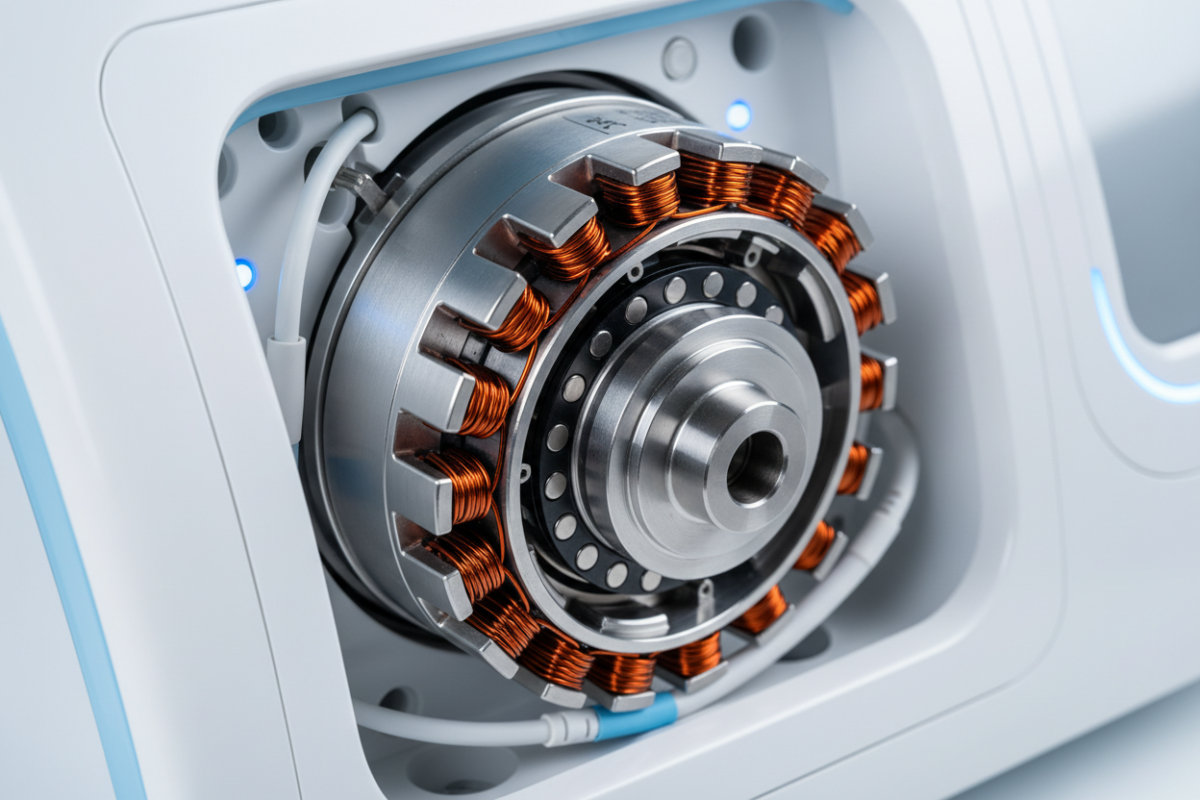
The team replaced the bulky, open-loop stepper motors with high-resolution, closed-loop integrated actuators. These compact units combined the motor, absolute encoder, and zero-backlash gearing into a single housing. This drastic reduction in component size allowed the engineers to shrink the overall workstation footprint by 35%, easily fitting the system into standard benchtop enclosures.
Eliminating Backlash for Absolute Tip Alignment
By utilizing actuators featuring precision strain wave gearing, the system achieved true zero backlash. When the controller commanded the pipettes to move to Well A1, the mechanism arrived instantly without mechanical play or hysteresis. This absolute rigidity ensured flawless tip-to-well alignment across the entire microplate grid.
Implementation: Optimizing Motion Profiles for Liquid Handling
Hardware optimization was paired with intelligent motion profile programming to protect the integrity of the samples.
Smoothing Acceleration to Prevent Reagent Splashing
Liquid handling requires a delicate touch. Fast, abrupt drops and stops cause reagents to splash against the walls of the wells, causing cross-contamination or bubble formation that disrupts optical readers. By programming S-curve motion profiles with controlled jerk limits, the system ensured that acceleration and deceleration phases were buttery smooth, keeping delicate fluids calm even at high travel speeds.
Synchronizing Multi-Axis Gantry Movements for High Throughput
The workstation utilized a multi-axis architecture where linear gantry movements and rotary tool-orientation axes operated simultaneously. High-bandwidth servo drives synchronized these movements over a real-time industrial Ethernet network, cutting the total processing time per microplate nearly in half.
Real-World Results: Higher Throughput and Zero-Error Dispensing
The integration of advanced motion components delivered immediate, quantifiable improvements to the clinical workstation.
Achieving Sub-Millimeter Repeatability Across All Channels
With zero mechanical backlash and high-resolution absolute feedback, the system achieved a positional repeatability of under 0.01mm. The pipetting heads could address every single well in a 384-well plate repeatedly over months of continuous operation without requiring recalibration.
Maximizing Sample Processing Speed in 24/7 Labs
By reducing settling time and optimizing acceleration profiles, the manufacturer increased the machine’s sample processing throughput by 30%. The diagnostic labs utilizing the new workstation could complete test panels faster, significantly improving turnaround times for clinical results.
Conclusion: Micro-Precision for Macro Discoveries
As this case study illustrates, the future of lab automation relies heavily on the quality of its underlying motion hardware. In medical diagnostics, precision and speed must go hand in hand.
By eliminating mechanical compliance, utilizing compact actuators for tighter spatial integration, and enforcing strict precision positioning, equipment builders can deliver laboratory instruments that protect sample integrity while maximizing commercial throughput.
FAQ Section: Pipetting Automation Engineering Q&A
Q1: What level of positional repeatability is required for modern automated pipetting?
For standard 96-well plates, a repeatability of
±0.05 mm±0.05 mmis typically acceptable. However, for high-density 384-well plates, systems often require absolute positional repeatability of
±0.01 mm±0.01 mmor tighter to ensure the microscopic tips center perfectly within the well opening without wall contact.
Q2: How do compact actuators prevent reagent splashing during rapid Z-axis drops?
Compact actuators paired with intelligent servo drives allow for customized motion profiling, such as S-curve smoothing. By carefully controlling jerk and acceleration during the final millimeter of descent, the actuator cushions the stop, preventing liquid inside the pipette tip from sloshing or splashing.
Q3: Are these actuators suitable for continuous use in cold-room or incubator lab environments?
Yes. Industrial-grade compact actuators utilize specialized low-temperature lubricants and sealed, corrosion-resistant housings. This ensures they operate reliably inside refrigerated sample storage units or controlled incubator environments without performance degradation due to condensation or thickening grease.