 Joint Rotary Actuators Series HAT
 Joint Rotary Actuators series HAS
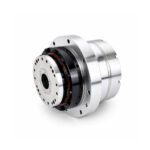 Joint Rotary Actuators Series HAMF
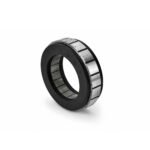 Frameless Torque Motor HBM
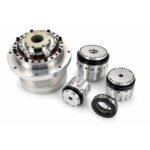 Rotary Actuators
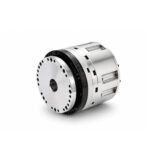 Joint Rotary Actuators Series HAG
 Rotary Actuators Series HPG

Introduction: The Heartbeats of Modern Machinery
From household appliances and medical pumps to multi-axis industrial robots and heavy CNC machines, electric motors are the literal heartbeats of modern technology. They perform the vital task of converting electrical energy into mechanical rotation, giving life and movement to static metallic structures.
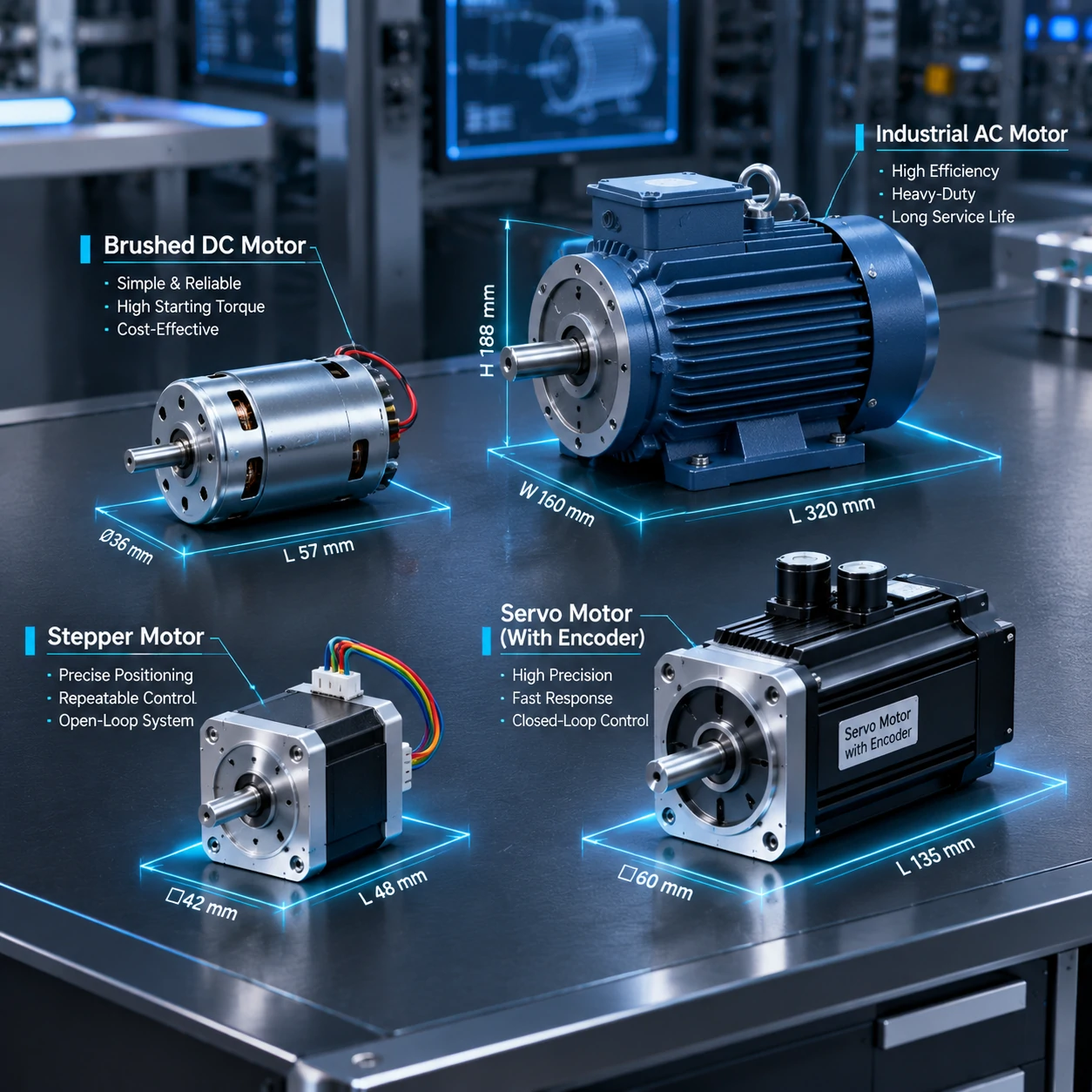
However, with a vast landscape of different configurations, choosing the right motor can easily overwhelm a designer. Do you need the raw power of an AC motor, the low-cost open-loop positioning of a stepper, or the closed-loop precision of an advanced servo? Understanding the characteristics of various electric motor types is essential for successful mechanical design. This guide reviews the four primary motor categories that form the bedrock of engineering basics.
Direct Current (DC) Motors: Simplicity and Adjustable Speed
Direct Current motors were among the first electric motors invented, and they remain popular due to their straightforward control characteristics.
Brushed vs. Brushless DC (BLDC) Technologies
Traditional brushed DC motors use physical carbon brushes and a mechanical commutator to reverse current direction in the rotor windings. While simple and inexpensive, the physical friction creates sparks, electrical noise, and mechanical wear over time.
Modern automation heavily favors Brushless DC (BLDC) motors. By replacing physical brushes with electronic commutation (driven by Hall-effect sensors or software), BLDC motors eliminate friction wear, offering higher speeds, better efficiency, and significantly longer lifespans.
Ideal Applications for DC Power
DC motors excel in portable battery-powered devices, electric vehicles, small actuators, and simple variable-speed drives where fine positional control is secondary to adjustable rotational speed and continuous torque delivery.
Alternating Current (AC) Motors: The Workhorses of Heavy Industry
When it comes to running on standard grid power to move massive industrial loads at constant speeds, AC motors dominate the factory floor.
Induction Motors and Synchronous AC Design
The most common AC motor is the induction (asynchronous) motor. It operates by inducing an electrical current in the rotor via the magnetic field of the stator. Because the rotor spins slightly slower than the rotating magnetic field of the AC power supply (a phenomenon called “slip”), it is rugged, highly reliable, and requires virtually no maintenance.
Continuous, High-Power Operation for Pumps and Conveyors
AC motors are designed for continuous, heavy-duty operation. You will find them driving factory ventilation fans, large industrial water pumps, heavy conveyor belts, and massive compressor systems where speed variations are minimal or managed entirely through external variable frequency drives (VFDs).
Stepper Motors: Open-Loop Positioning on a Budget
When an application requires moving a load to a specific, repeatable position without spending a fortune on closed-loop feedback electronics, the stepper motor is the go-to choice.
How Full Steps and Micro-Stepping Work
Stepper motors divide a full 360-degree rotation into a large number of discrete steps (e.g., 200 steps per revolution). By sequentially energizing internal electromagnetic coils, the controller forces the motor shaft to “step” precisely from one position to the next. Modern drives use “micro-stepping” to subdivide these physical steps electronically, enabling smoother low-speed rotation.
The Limitations: Step Loss and Torque Drop at High Speeds
Because stepper motors operate on an open-loop basis—meaning there is no encoder telling the controller where the shaft actually is—they are vulnerable to “step loss” if overloaded. Additionally, torque drops off drastically as speed increases, making them unsuited for high-speed, high-dynamics automation.
Servo Motors: Closed-Loop Precision and High Dynamic Performance
At the pinnacle of motion control technology sits the servo motor. It is designed specifically for high-speed, high-acceleration, and high-accuracy applications.
The Power of Closed-Loop Feedback and Real-Time Correction
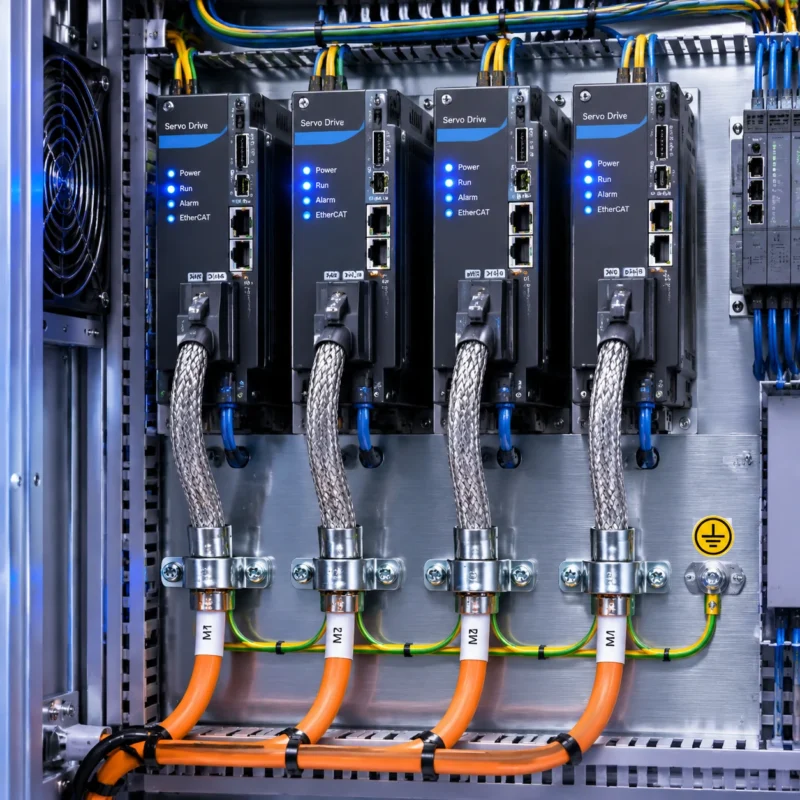
Unlike a stepper, a servo motor is paired with an absolute or incremental encoder that feeds real-time position and velocity data back to the servo drive. The drive constantly compares the command against reality, making micro-adjustments thousands of times per second. This closed-loop architecture guarantees that the motor hits its target accurately, even under unexpected load disturbances.
Why Precision Robotics Rely Exclusively on Servo Architecture
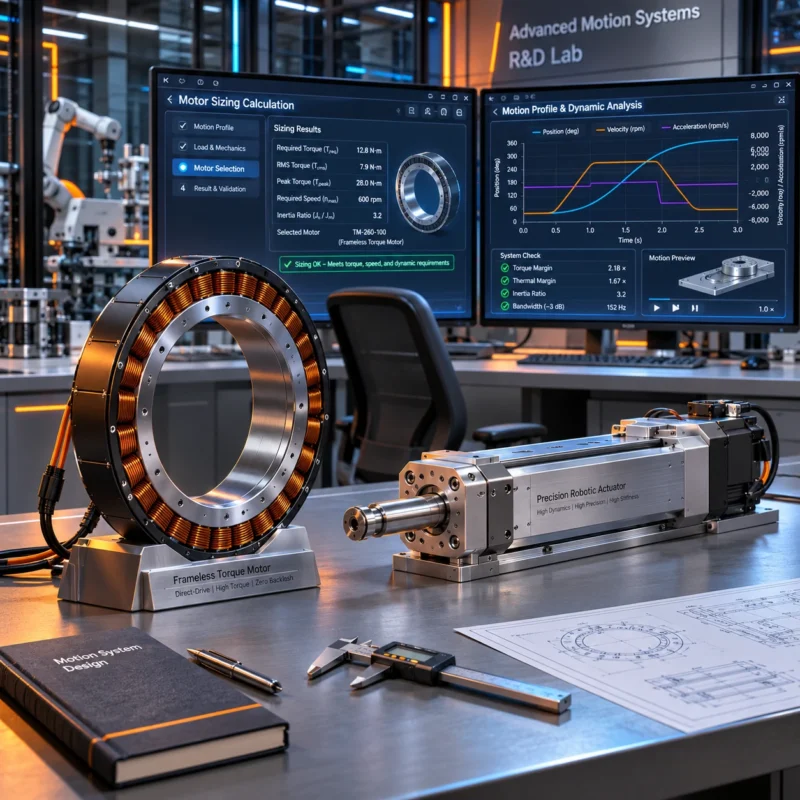
In advanced applications—such as multi-axis robotic arms, surgical instruments, and high-speed CNC milling machines—open-loop systems cannot provide the required stability. Precision robotics rely exclusively on closed-loop servo architecture to ensure zero backlash, instantaneous acceleration, and sub-micron repeatability.
Conclusion: Matching Motor Technology to Your Application Goals
There is no single “best” motor; there is only the motor that matches your engineering requirements. Whether you are building a simple belt conveyor powered by an AC induction motor, or designing a high-end collaborative robot requiring the closed-loop brilliance of a servo motor, understanding these foundational categories is critical.
By evaluating your torque, speed, precision, and budget constraints against the strengths of each motor type, you ensure your automation project starts on solid technical ground.
FAQ Section: Electric Motor Basics Q&A
Q1: Can a stepper motor be used as a budget-friendly alternative to a servo motor?
Yes, for low-speed, low-dynamics, and predictable loads, a stepper motor is an excellent budget-friendly alternative. However, if your application requires high speed, heavy acceleration, or absolute immunity to step loss under variable loads, a servo motor is necessary to prevent costly machine failures.
Q2: What is the fundamental difference between an AC induction motor and a permanent magnet servo motor?
An AC induction motor relies on slip and induced rotor currents to create rotation, making it ideal for constant-speed, grid-powered industrial work. A permanent magnet servo motor uses powerful rare-earth magnets on the rotor and requires a dedicated servo drive to supply synchronized, variable frequency AC power, optimized for precise position and speed control.
Q3: Why are brushless DC motors often categorized under modern electric motor types?
Brushless DC (BLDC) motors and permanent magnet AC servo motors share very similar physical constructions (permanent magnet rotors and multi-phase stators). In modern engineering, the boundary between BLDC and low-voltage servo motors has blurred, as both typically rely on electronic commutation and closed-loop feedback for high-performance motion.