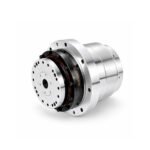
 Joint Rotary Actuators Series HAT
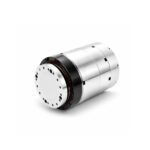 Joint Rotary Actuators series HAS
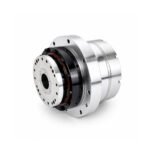 Joint Rotary Actuators Series HAMF
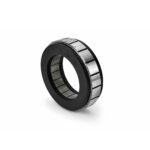 Frameless Torque Motor HBM
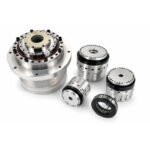 Rotary Actuators
 Joint Rotary Actuators Series HAG
 Rotary Actuators Series HPG
Introduction: The Push for Portable and Handheld Healthcare
The healthcare industry is experiencing a massive paradigm shift. The focus is rapidly moving away from massive, stationary hospital equipment toward point-of-care diagnostic devices and minimally invasive handheld surgical tools. This evolution promises faster recovery times for patients and greater flexibility for medical professionals.
However, this shift introduces a severe engineering conflict: designing a highly capable medical device under extreme space and weight constraints. Engineers are tasked with packing more power, precision, and battery life into an ever-shrinking envelope. This case study explores how one innovative manufacturer overcame these physical limits by adopting frameless motor technology, unlocking a new level of miniaturization and ergonomic design.
The Challenge: Shrinking the Footprint Without Losing Power
A leading manufacturer of orthopedic surgical tools was developing a next-generation handheld bone drill. Their primary goal was to reduce surgeon fatigue during long operations while increasing the tool’s torque for smoother cutting.
Weight and Size Limitations in Handheld Surgical Tools
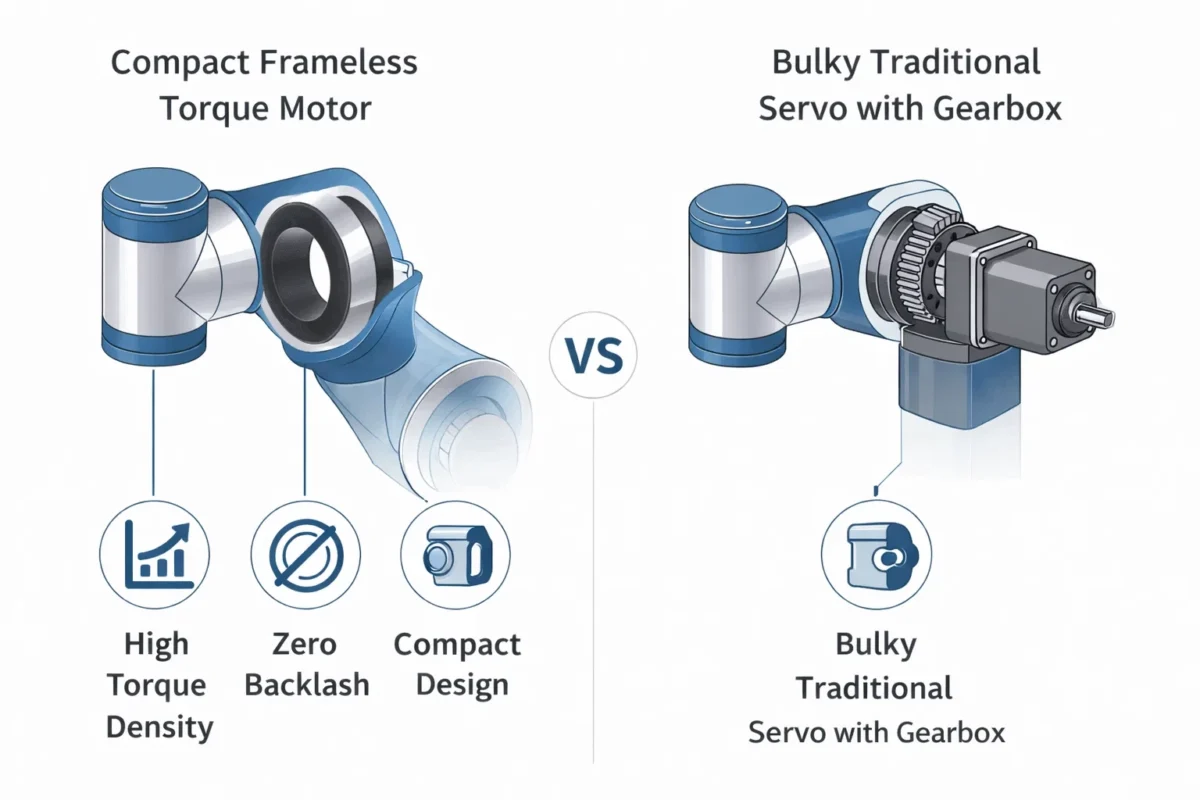
The manufacturer’s existing product line relied on traditional housed DC servomotors paired with multi-stage planetary gearboxes. While this configuration provided adequate torque, it was incredibly heavy and long. The bulk of the motor and gearbox shifted the tool’s center of gravity away from the surgeon’s hand, causing wrist strain and reducing fine motor control over extended periods.
The Heat and Noise Problem with Traditional Geared DC Motors
Beyond ergonomics, the traditional geared system presented other issues. Pushing a small DC motor to high speeds to generate power through a gearbox created significant heat. In a handheld device, heat dissipation is difficult, often making the tool uncomfortable to hold. Furthermore, the mechanical grinding of the gearbox generated audible noise and high-frequency vibration, which negatively impacted the surgeon’s tactile feel during delicate procedures.
The Solution: Integrating Compact Frameless Motors
To break through these limitations, the engineering team realized they needed to eliminate the gearbox entirely. They partnered with Hobber Drive to explore a direct-drive architecture.
Direct Drive Precision Without the Bulky Gearbox
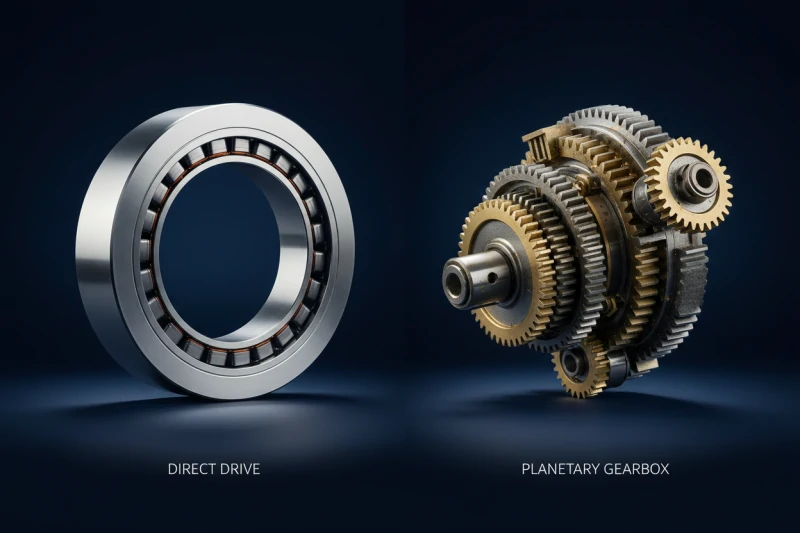
The solution was a high-torque-density frameless motor. Unlike traditional motors, a frameless motor is supplied as two separate components: a bare stator (the stationary coils) and a bare rotor (the rotating magnets). Because this motor is designed with a high pole count, it can deliver massive continuous torque at lower speeds. This completely eliminated the need for a bulky, heavy, and noisy planetary gearbox.
Using the Device Chassis as the Motor Housing
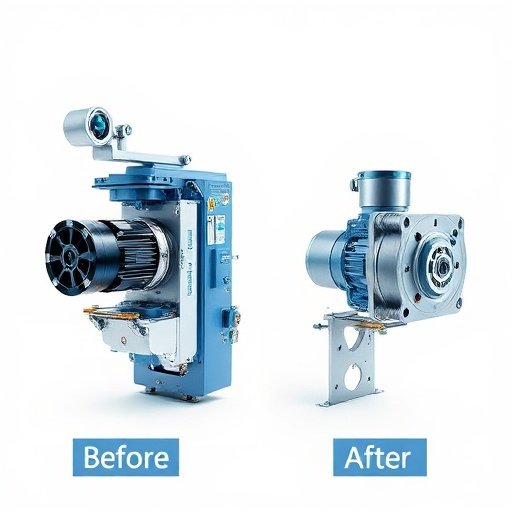
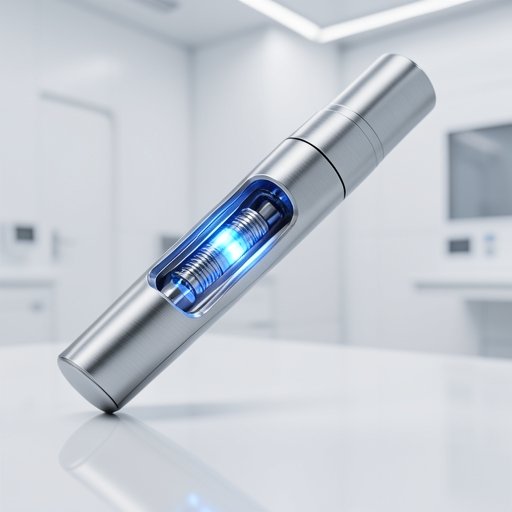
The true magic of miniaturization happened during integration. Because the motor is “frameless,” the manufacturer did not have to accommodate an external motor shell. Instead, they machined the aluminum handle of the surgical tool to act as the motor housing. The stator was press-fitted directly into the tool’s grip, and the rotor was mounted directly onto the cutting spindle. This “inside-out” engineering approach saved critical millimeters in diameter and length.
Real-World Results: Smaller, Lighter, and More Ergonomic
The transition to a frameless direct-drive architecture transformed the surgical tool from a cumbersome prototype into a market-leading medical device.
Achieving a 40% Reduction in Overall Device Weight
By eliminating the heavy steel gearbox, the redundant motor housing, and the coupling hardware, the total weight of the actuation system dropped dramatically. The final handheld tool weighed 40% less than its predecessor. More importantly, because the dense motor components were integrated directly into the grip, the center of gravity was perfectly balanced in the surgeon’s palm, virtually eliminating wrist fatigue.
Enhancing Battery Life and Tactile Feedback for Surgeons
The results extended beyond just weight loss. Without the friction and mechanical losses of a gear train, the direct-drive system was significantly more energy-efficient. This extended the battery life of the cordless tool by 25% per charge.
Furthermore, the elimination of mechanical backlash and gear vibration provided the surgeon with pure, unadulterated tactile feedback. When the drill bit encountered different densities of bone, the surgeon could “feel” it instantly through the rigid direct-drive connection, improving the safety and precision of the surgical procedure.
Conclusion: Big Innovations in Small Packages
As this case study demonstrates, the future of medical technology relies heavily on removing mechanical redundancies. You cannot build the devices of tomorrow using the bulky drivetrains of yesterday.
By integrating a frameless motor directly into the mechanics of the machine, engineers can achieve unprecedented levels of miniaturization. This technology empowers designers to create medical devices that are not only lighter and more compact but inherently more powerful and reliable.
If you are struggling with space constraints, heat dissipation, or excessive weight in your next medical design, exploring compact direct-drive technology could be the breakthrough your project needs. Reach out to the Hobber Drive engineering team to request a personalized sizing analysis for your space-constrained application.
FAQ Section: Engineering Miniature Medical Motion
Q1: How do you manage heat dissipation in a compact frameless motor?
Because the stator of a frameless motor is press-fitted directly into the machine’s metal chassis, the chassis itself acts as a massive, highly efficient heat sink. This direct thermal conduction path is far superior to traditional motors, which trap heat inside an enclosed shell.
Q2: Can medical devices with integrated frameless motors survive autoclave sterilization?
Yes. For surgical tools that undergo harsh high-temperature, high-pressure autoclave sterilization, the stator windings can be fully encapsulated (potted) in specialized medical-grade epoxies. The rotor, being entirely solid-state metal and magnets, is inherently resilient, provided highly corrosion-resistant materials are specified.
Q3: Does reducing the motor size increase cogging torque and vibration?
In poorly designed motors, miniaturization can exacerbate cogging torque. However, premium frameless motors utilize advanced fractional slot-pole combinations, skewed laminations, and optimized magnetic air gaps to ensure ultra-smooth, vibration-free rotation, even at the microscopic sizes required for delicate surgical instruments.