 Joint Rotary Actuators Series HAT
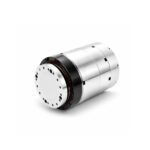 Joint Rotary Actuators series HAS
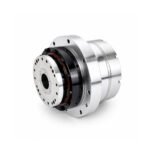 Joint Rotary Actuators Series HAMF
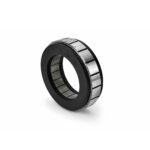 Frameless Torque Motor HBM
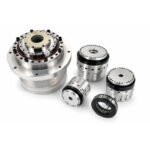 Rotary Actuators
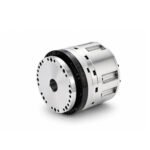 Joint Rotary Actuators Series HAG
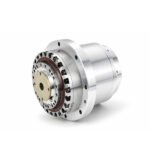 Rotary Actuators Series HPG
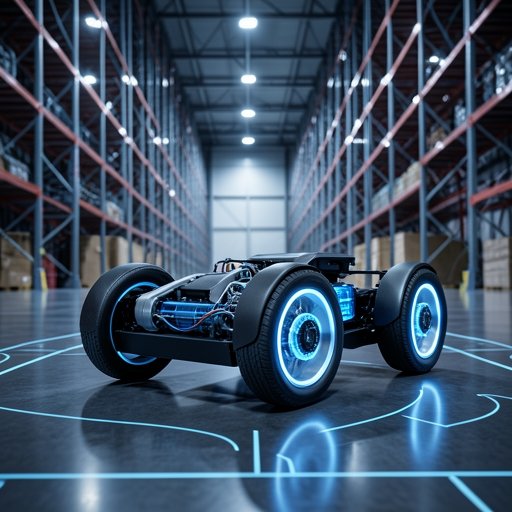
Introduction: Decoupling Automation from Fixed Rails
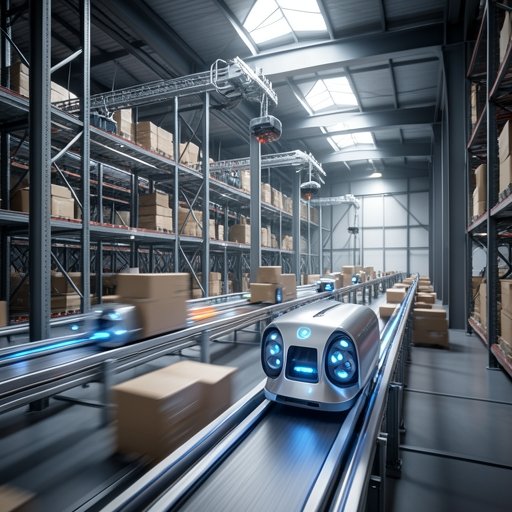
Industrial automation is no longer confined to fixed assembly lines and rigid conveyors. We are witnessing a monumental shift toward “flexible automation,” powered by a new generation of autonomous mobile platforms. Whether it is a pallet-moving Automated Guided Vehicle (AGV) or a collaborative Autonomous Mobile Robot (AMR) navigating a dynamic warehouse, these machines are decoupling productivity from fixed infrastructure.
However, as these platforms become more intelligent, their physical performance is limited by their drivetrain. For a battery-powered robot, efficiency is the only currency that matters. This article examines why advanced motion control and frameless motor technology have become the core enablers of the mobile robotics revolution.
From AGV to AMR: The Need for Smarter Motion
While often used interchangeably, AGVs and AMRs represent different stages of robotic evolution.
Guided Paths vs. Autonomous Navigation
Traditional AGVs typically follow fixed paths, such as magnetic tape or QR codes on the floor. AMRs, however, use LiDAR and SLAM (Simultaneous Localization and Mapping) to navigate around obstacles dynamically. This increased intelligence requires a corresponding increase in motor responsiveness. An AMR must be able to adjust its wheel speeds instantly and smoothly to maintain its path while dodging moving obstacles.
How Precise Drive Control Enhances Navigation Algorithms
Navigation software is only as good as the hardware that executes its commands. High-resolution feedback and low-latency motor control allow navigation algorithms to work with higher confidence. When the motion control system provides perfectly predictable velocity and positioning, the robot’s digital twin stays perfectly aligned with the physical world, reducing localization errors.
Drivetrain Innovation: The Move to Hub-Integrated Direct Drive
Space is at a premium in any mobile robot chassis. Designers are constantly looking for ways to lower the center of gravity and clear more room for batteries and cargo.
Eliminating Efficiency Losses from Traditional Gearsets
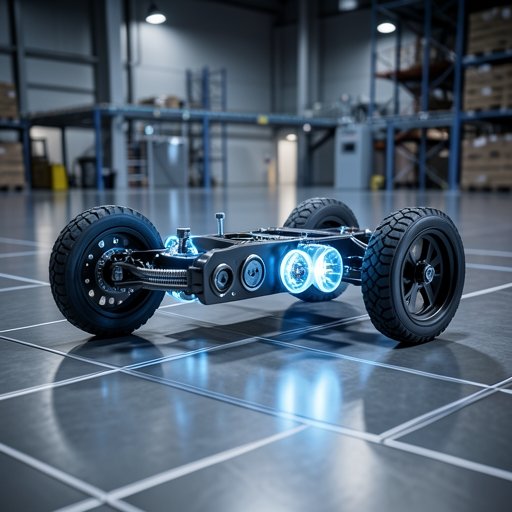
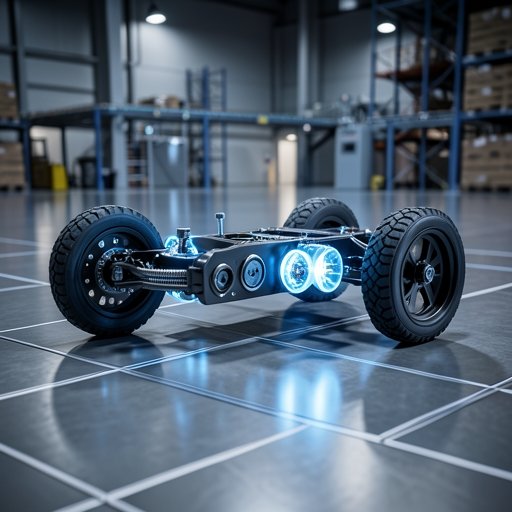
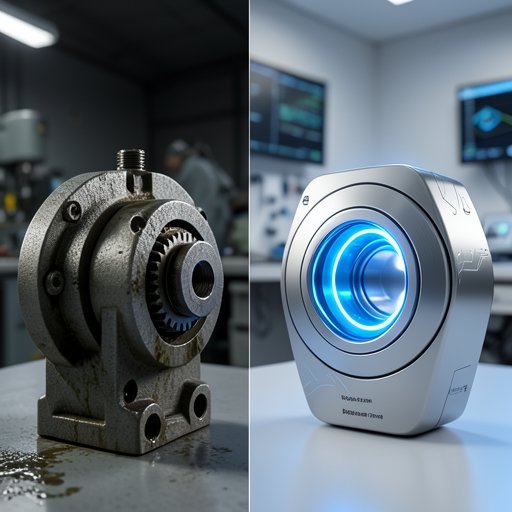
Traditional AGV drives use a motor connected to a right-angle gearbox. This setup is bulky and loses significant energy through mechanical friction. By moving to a “hub-drive” configuration—where the motor is integrated directly into the wheel—you eliminate these losses. This direct-drive approach can increase energy efficiency by 15-20%, directly extending the robot’s operational range between charges.
Leveraging Frameless Motor Technology for Low-Profile Chassis
The frameless motor is the perfect candidate for wheel hub integration. Because it arrives without a housing, the motor’s stator and rotor can be built directly into the wheel assembly. This creates a remarkably low-profile drive unit that allows for “ultra-low-deck” AGV designs, which can slide underneath standard pallets or shelving units more easily.
Precision Steering: The Role of Integrated Rotary Actuators
Moving forward is one thing; navigating a tight corner with a 1,000kg load is another. Steering mechanisms are the most mechanically complex part of a mobile robot.
Achieving Zero-Radius Turning with Compact Steering Joints
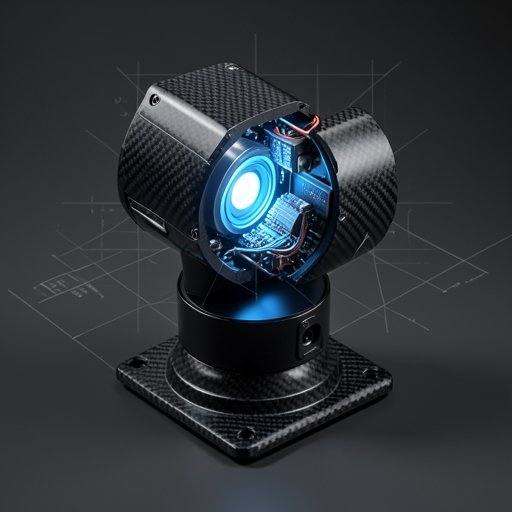
To maximize maneuverability in narrow warehouse aisles, many AMRs utilize “swerve drive” or independent steering on all wheels. This requires compact, high-torque rotary actuators to rotate the wheel assembly 360 degrees. Integrated joint modules provide the zero-backlash performance needed to ensure the wheels are always pointed in the exact direction the controller intends.
Reducing Machine Footprint through Mechanical Integration
By using integrated actuators that combine the motor, gearbox, and sensor into one unit, designers can shrink the steering assembly. This reduction in size allows for a wider wheelbase within the same chassis footprint, improving the robot’s stability and load-carrying capacity.
The Business Impact: Efficiency, Uptime, and ROI
In the logistics industry, the value of a robot is measured by its Return on Investment (ROI).
Extending Battery Life with High-Efficiency Components
For a fleet of 100 robots, a 10% increase in battery efficiency means 10 fewer robots needed in the charging rotation at any given time. High-efficiency direct-drive components ensure that every watt of battery power is used for movement rather than being wasted as heat in a gearbox.
Minimizing Mechanical Wear for Lower Total Cost of Ownership
Fewer parts mean fewer failures. Gearboxes and belts are often the first components to wear out in a high-utilization warehouse. By simplifying the drivetrain through direct-drive and integrated modular components, operators can significantly reduce maintenance schedules and spare parts inventory, leading to a much lower Total Cost of Ownership.
Conclusion: Driving the Future of Mobile Intelligence
The success of a mobile robot depends on the seamless synergy between its AI “brain” and its mechatronic “muscle.” As the demand for faster, more flexible logistics grows, the industry will continue to favor hardware that is smaller, more efficient, and easier to integrate.
At Hobber Drive, we are committed to providing the compact, high-torque frameless motor and integrated actuator solutions that power the world’s most advanced mobile platforms. By optimizing the motion at the core, we are helping the mobile robotics industry drive the future of automation further and faster than ever before.
FAQ Section: Mobile Robotics Drivetrain FAQs
Q1: Why is torque density so important for indoor AMR platforms?
Indoor robots often need to start and stop frequently and navigate ramps or door thresholds. High torque density allows the robot to handle these high-load scenarios without requiring a massive, heavy motor that would drain the battery.
Q2: Can your motors handle the shock loads of uneven warehouse floors?
Yes. When integrated correctly with robust bearings, our motors and actuators are designed to withstand the vibration and impact forces typical of industrial floors. The direct-drive nature also makes the system more resilient as there are no gear teeth to strip under sudden impact.
Q3: What feedback sensors are ideal for differential drive systems?
We recommend high-resolution absolute encoders. These provide the instant, precise velocity and position feedback required for differential steering, ensuring the robot maintains a perfectly straight line or a precise arc during complex navigation maneuvers.