 Joint Rotary Actuators Series HAT
 Joint Rotary Actuators series HAS
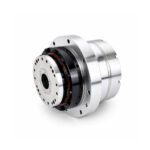 Joint Rotary Actuators Series HAMF
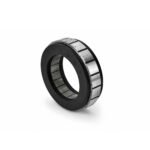 Frameless Torque Motor HBM
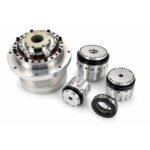 Rotary Actuators
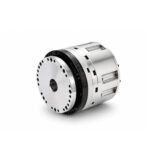 Joint Rotary Actuators Series HAG
 Rotary Actuators Series HPG

Introduction: Mastering the Forces of Heavy Industrial Welding
In structural steel fabrication, heavy machinery manufacturing, and shipyard construction, automated welding has revolutionized production speeds. However, automating the welding of multi-ton, oddly shaped workpieces requires more than just a multi-axis robotic arm. It requires a robust mechanical partner: the heavy-duty welding positioner.
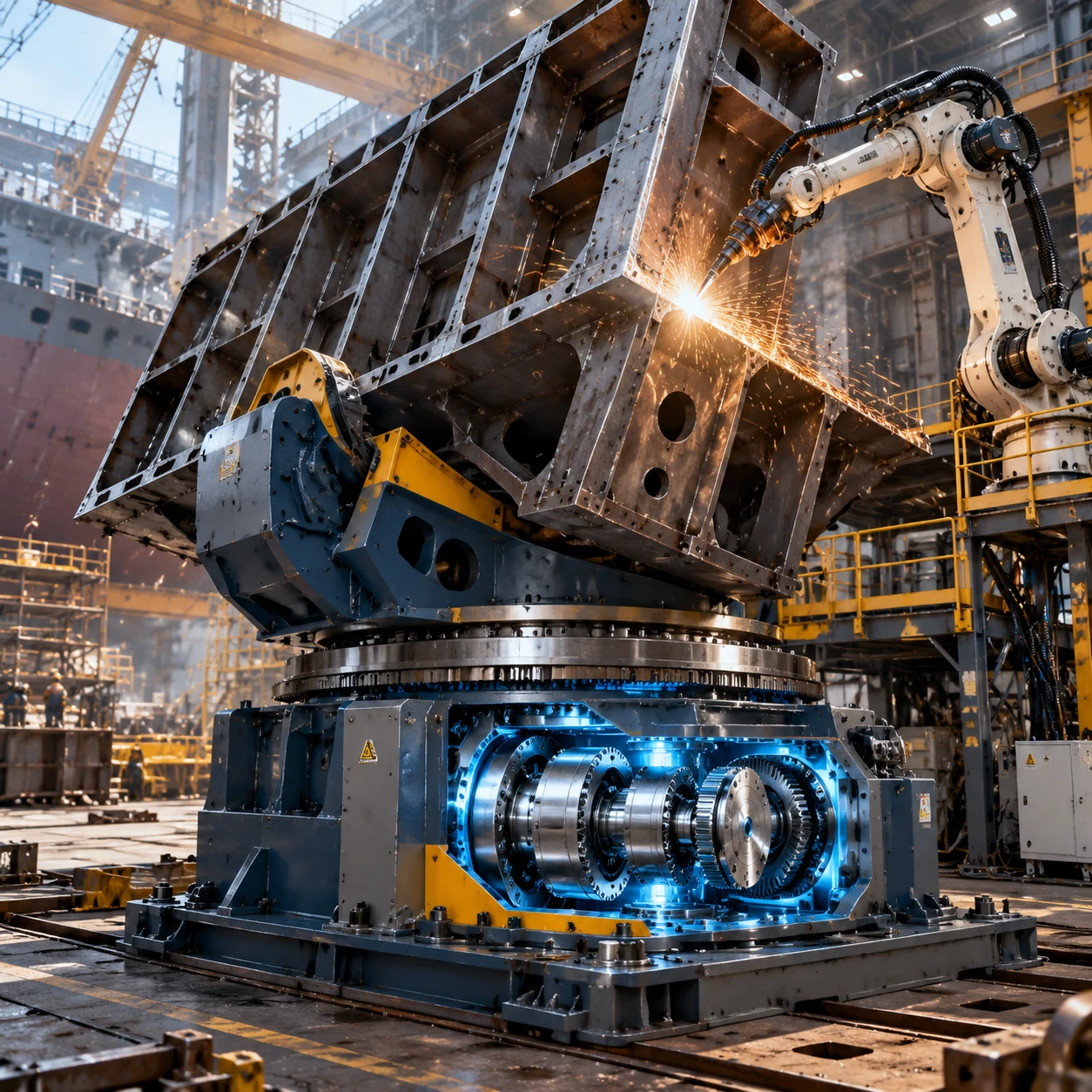
A welding positioner must rotate and tilt massive workpieces smoothly while a welding torch lays down continuous, flawless seams. When designing or upgrading these systems, engineers face a brutal combination of massive eccentric payloads, high shock loads, and intense thermal environments. This case study explores how a leading heavy-equipment manufacturer overcame severe structural deflection and gear failure by integrating a high-rigidity planetary gearbox into their flagship positioner line, setting a new benchmark for welding automation.
The Challenge: Structural Deflection and Gear Failure in Positioners
The client, a prominent builder of earthmoving machinery components, was struggling with accuracy issues and frequent downtime on their automated welding lines.
Managing Eccentric Loads and Massive Overturning Moments
The positioners were tasked with rotating large, asymmetrical steel weldments weighing upwards of two tons. Because the center of gravity of the workpiece rarely aligned perfectly with the center of rotation, the positioner axis experienced massive overturning moments. This eccentric load created severe cantilevered stress on the drive train, causing the traditional gearboxes to flex.
The Dangers of Gear Stripping During Rapid Heavy-Duty Indexing
To maintain high output, the manufacturing plant demanded rapid indexing speeds between weld passes. The combination of high speed, a multi-ton eccentric load, and sudden emergency stops placed catastrophic stress on the drive components. The client’s existing spur and worm gear assemblies suffered from premature tooth wear, frequent backlash growth, and occasional catastrophic gear stripping, resulting in expensive line stoppages and ruined workpieces.
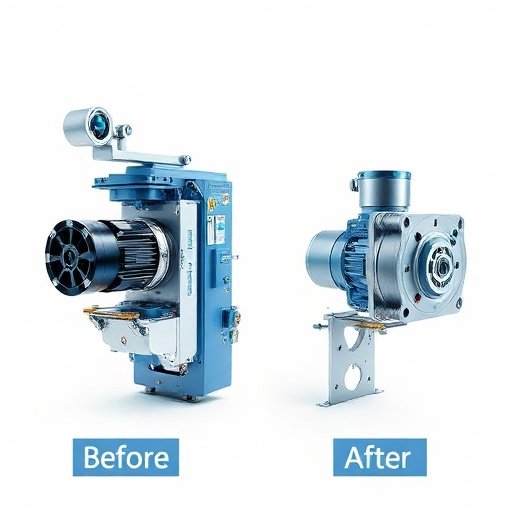
The Solution: Integrating HPG Series High-Rigidity Planetary Actuators
To permanently resolve these reliability issues, the design team decided to re-engineer the rotational axis using precision planetary reduction technology.
Why Planetary Gearing Excels Under High Shock Loads
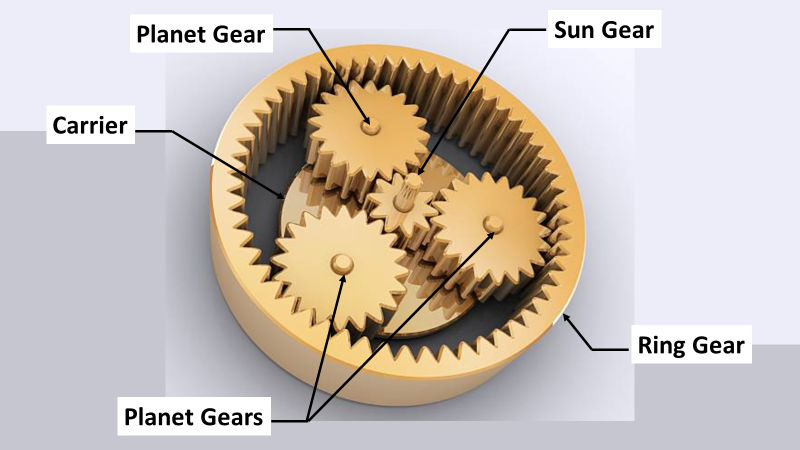
Unlike single-mesh gear systems where all force is concentrated on one contact point, a planetary gearbox distributes torque simultaneously across multiple planet gears. This multi-tooth load-sharing architecture provides exceptional resistance to shock loads and high dynamic impacts. When an E-stop occurs or a heavy part abruptly changes direction, the stress is absorbed evenly across the entire gear train.
Achieving Maximum Torsional Stiffness in a Compact Footprint
The client selected Hobber Drive’s HPG series high-precision planetary actuators. Designed specifically for high-load, high-rigidity applications, these units provided the extreme torsional stiffness necessary to resist angular deflection under multi-ton cantilever loads. Furthermore, their compact, inline footprint allowed the engineering team to fit the powerful drive unit entirely within the protected housing of the positioner base.
Implementation: Engineering for Continuous Structural Stability
Upgrading the drivetrain required a careful mechanical overhaul to ensure the new actuators could perform at their peak potential.
Coupling High-Torque Servo Motors with Precision Reducers
The engineering team coupled high-torque servomotors directly to the HPG planetary reducers. This eliminated timing belts and loose chain drives, which were previously responsible for absorbing slack and introducing compliance into the positioning loop. The rigid direct-coupling ensured that every pulse from the controller resulted in immediate, rock-solid physical movement.
Ensuring Electrical Grounding Integrity to Protect Against Welding Current
A unique challenge in welding automation is stray electrical current. During arc welding, high-amperage currents can inadvertently flow through the robot and the positioner base into the motor and encoder, causing severe electrical pitting in bearings and gear teeth. The team implemented specialized grounding brushes and insulated couplings to safely bypass the drivetrain, protecting the precision internal components from electrical arc damage.
Real-World Results: Doubling Payload Capacity and Eliminating Deflection
The integration of high-rigidity planetary actuators transformed the performance and reliability of the welding positioner line.
Unwavering Positioning Accuracy Under Multi-Ton Workpieces
With the exceptional torsional stiffness provided by the planetary reducers, structural deflection under eccentric loads dropped by over 80%. Even when rotating multi-ton asymmetric structures, the positioner held its angle with absolute stability, allowing the welding robot to maintain a flawless focal distance and torch angle along the entire seam.
Drastic Reduction in Long-Term Maintenance and Gear Wear
After switching to the HPG series, the client reported zero gear-related failures after 18 months of continuous 2-shift operation. The multi-tooth load distribution successfully absorbed the shock of rapid indexing, entirely eliminating the costly gear-stripping incidents that previously plagued their factory floor.
Conclusion: Built to Withstand the Heat of Heavy Industry
This case study demonstrates that heavy duty manufacturing leaves no room for structural compromise. When automating processes that involve massive payloads and intense physical stress, the drivetrain must be engineered for unyielding strength.
By replacing vulnerable legacy gearboxes with a robust planetary gearbox architecture, equipment builders can deliver welding automation systems that eliminate deflection, maximize payload capacity, and operate reliably in the most demanding industrial environments.
FAQ Section: Heavy-Duty Welding Actuation Q&A
Q1: How do planetary gearboxes handle the severe shock loads typical in heavy duty welding setups?
Planetary gearboxes distribute torque across three or more planet gears simultaneously. This multi-path load-sharing design significantly increases the surface area in contact, allowing the gearbox to absorb high shock loads and emergency-stop impacts without concentrating stress on a single gear tooth.
Q2: Can precision actuators prevent joint deflection when rotating asymmetrical workpieces?
Yes. High-rigidity planetary actuators feature exceptional torsional stiffness and heavy-duty cross-roller output bearings designed to resist massive overturning moments. This keeps angular deflection to a bare minimum, ensuring the workpiece remains stable even when its center of gravity is offset from the rotation axis.
Q3: What measures protect the internal encoder and motor bearings from stray high-amperage welding currents?
To protect sensitive electronics and precision bearings from electrical pitting caused by welding currents, engineers use dedicated grounding brushes (current shunts) to divert the welding current safely from the rotating table to the machine frame, preventing it from passing through the motor and gearbox bearings.