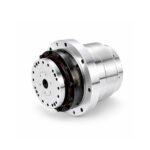
 Joint Rotary Actuators Series HAT
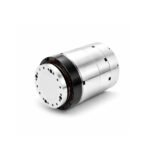 Joint Rotary Actuators series HAS
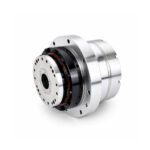 Joint Rotary Actuators Series HAMF
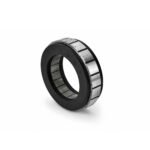 Frameless Torque Motor HBM
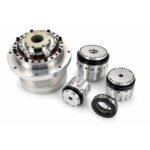 Rotary Actuators
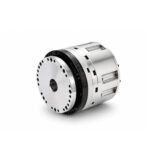 Joint Rotary Actuators Series HAG
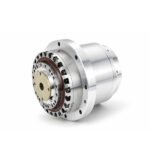 Rotary Actuators Series HPG


Introduction: The Sanctuary of Micro-Precision and Purity
The invisible battlefield of modern high-tech manufacturing is won or lost in environments where the air itself is meticulously scrubbed, filtered, and controlled. Whether producing multi-layer microchips or synthesizing complex biological therapeutics, a single rogue speck of dust or a trace chemical residue can ruin a multi-million-dollar production batch.
In these ultra-pure environments, automating processes introduces a profound mechanical paradox: machines are full of moving parts, friction points, and lubricants, yet the cleanroom demands absolute purity. The evolution of cleanroom automation has changed how engineers approach motion control. In semiconductor fabrication and biotechnology, precision motion control must serve sterility and particle containment just as strictly as it serves speed and torque.
Understanding Cleanroom Classifications and Motion Constraints
To design mechanical hardware for sterile facilities, engineers must look beyond traditional factory-floor specifications.
ISO Class 1 to Class 8: What They Mean for Moving Parts
Cleanrooms are classified by ISO 14644 standards (ranging from ISO Class 1, the cleanest, to ISO Class 8). These ratings dictate the maximum allowable number of particles per cubic meter of air. For a moving actuator, this means that any friction—whether from carbon brushes, timing belts, or dry gear teeth—is a direct violation of the cleanroom standard. Every component must be evaluated for its particle-shedding index.
Airflow Dynamics: Why Actuators Must Not Disrupt Laminar Flow
In top-tier cleanrooms, air flows in a unidirectional, downward “laminar flow” sheet to sweep contaminants away from the work surface. Bulky, poorly shaped automation equipment can create dead zones and turbulent eddies in this airflow, causing particles to swirl back down onto sensitive wafers or biological samples. Consequently, cleanroom actuators must feature streamlined, low-profile profiles.
Semiconductor Manufacturing: Vacuum, Particles, and ESD Control
The semiconductor industry pushes material science and mechanical engineering to their absolute limits.
Outgassing and Vacuum Compatibility in Etching and Deposition
Many semiconductor processes, such as physical vapor deposition (PVD) and chemical vapor deposition (CVD), take place inside high-vacuum chambers. Standard commercial motors and actuators contain organic adhesives, paints, or low-grade plastics that “outgas”—releasing volatile organic compounds (VOCs) that foul the vacuum and coat the silicon wafer. Cleanroom-grade motion systems require vacuum-compatible materials that remain inert under extreme negative pressure.
Mitigating Metallic Particulate Shedding from Drivetrains
Mechanical wear produces microscopic metallic dust. If this dust enters an optical lithography tool or a wafer transfer chamber, it causes shorts or structural defects in nanoscale circuit patterns. Moving away from open gear trains to fully enclosed, direct-drive architectures is the only way to eliminate metallic particulate shedding at the source.
Biotech Manufacturing: Sterilization, VHP, and Zero Cross-Contamination
While semiconductor fabs worry about vacuum and micro-dust, biotech facilities face a biological battlefield defined by aggressive chemistry and living matter.
Surviving Aggressive Chemical Wash-Downs and VHP Sterilization
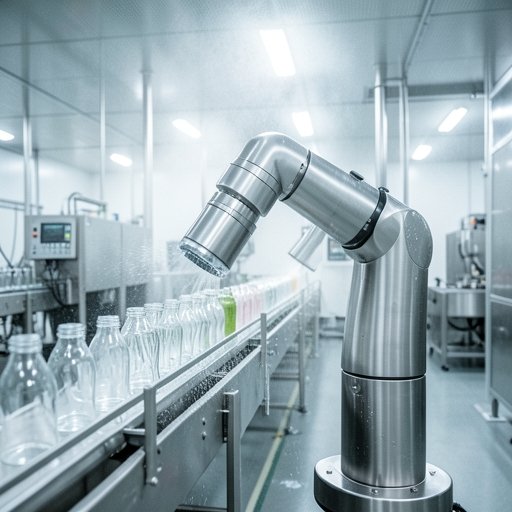
Biotech and pharmaceutical manufacturing lines must undergo regular sterilization cycles to prevent biological cross-contamination. This often involves exposure to Vaporized Hydrogen Peroxide (VHP), bleach, and intense UV radiation. Actuators used in these spaces must utilize specialized surface finishes, such as electropolished 316 stainless steel or hard-anodized coatings, alongside chemical-resistant elastomeric seals that will not degrade or crack under chemical attack.
Sealing Biological Fluids Out of the Mechanical Core
Automated liquid handling and cell-culturing systems deal with blood plasma, reagents, and nutrient broths. If these biological fluids leak past a faulty seal into the core of an actuator, they will rot, breed bacteria, and ruin subsequent batches. Contamination-free design dictates that the mechanical core must be hermetically isolated from the working environment.
Engineering the Ultimate Cleanroom Actuator
Building hardware capable of surviving these sterile environments requires a specialized design philosophy.
The Cleanroom Advantage of Frameless Motors and Sealed Enclosures
Traditional housed motors contain unnecessary internal cavities, multiple bearings, and grease reservoirs that are difficult to clean and prone to leakage. Frameless motors solve this by allowing the stator and rotor to be integrated directly into the machine’s sealed structural chassis. Combined with IP67-rated enclosures, this configuration eliminates internal exposure pathways.
Utilizing Hollow Rotary Actuators for Internal Cable Shielding
External cabling is another major source of cleanroom contamination, as cables flex and shed jacket material over time. Utilizing hollow rotary actuators allows power and data lines to be routed safely through the internal bore of the axis, keeping the exterior surfaces smooth, exposed-cable-free, and easy to wipe down.
Conclusion: Purity is the Ultimate Specification
In advanced technology sectors, precision is only half the equation. An actuator can position a payload with sub-micron accuracy, but if it sheds microscopic particles or leaks lubricant, it is fundamentally unsuited for the task.
By prioritizing strict cleanroom engineering principles—such as low outgassing, chemical resistance, and contamination-free direct-drive mechanics—equipment builders can deliver reliable instruments that protect the sanctity of the sample. In semiconductor fabrication and biotechnology, absolute purity is the ultimate specification, and advanced motion control is how we achieve it.
FAQ Section: Cleanroom Automation Engineering Q&A
Q1: What makes an actuator compatible with ISO Class cleanrooms?
ISO Class cleanroom compliance is achieved through a combination of zero-wear internal kinematics (such as direct-drive technology or enclosed gearing), fully sealed outer housings with specialized O-rings, and the use of non-shedding, low-outgassing construction materials that do not release particulates or VOCs into the laminar airflow.
Q2: Can cleanroom automation components withstand vaporized hydrogen peroxide (VHP) sterilization?
Yes, but specialized material selection is mandatory. While standard metals and low-grade plastics will oxidize or degrade under aggressive VHP exposure, cleanroom-grade actuators utilize passivated stainless steel, hard-anodized aluminum, and chemical-resistant seal polymers like Viton or EPDM to survive rigorous biological sterilization cycles.
Q3: How do frameless motors help reduce particle generation compared to housed motors?
Frameless motors consist exclusively of a bare stator and rotor, which are integrated directly into the machine’s sealed structural housing. This eliminates the need for a separate motor shell, auxiliary bearings, and mechanical couplings—all of which are traditional friction points that generate wear particles over time.