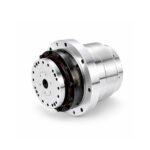
 Joint Rotary Actuators Series HAT
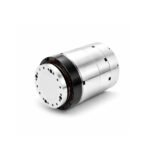 Joint Rotary Actuators series HAS
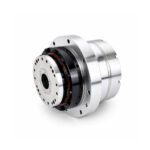 Joint Rotary Actuators Series HAMF
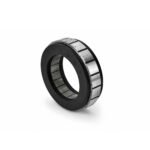 Frameless Torque Motor HBM
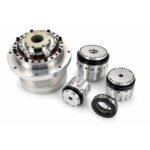 Rotary Actuators
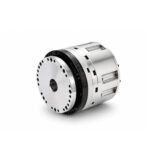 Joint Rotary Actuators Series HAG
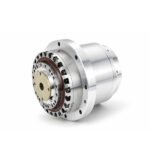 Rotary Actuators Series HPG

Introduction: Precision and Purity in Modern Biotech
The life sciences and biotechnology sectors are experiencing a period of unprecedented growth. Driven by the demands for rapid diagnostics, automated genomic sequencing, and large-scale biological drug discovery, modern laboratories are transforming into high-throughput, fully automated facilities.
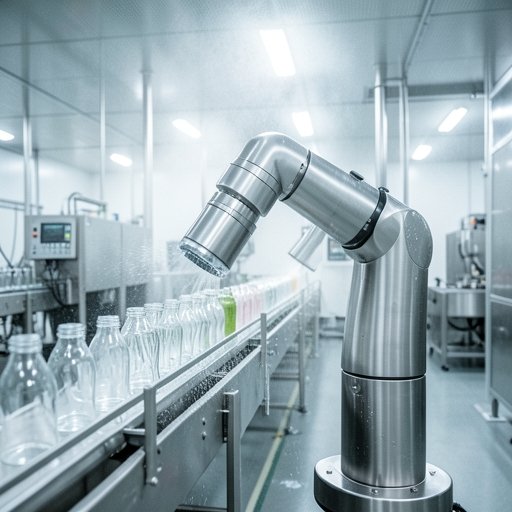
However, automating tasks in a biological or pharmaceutical environment introduces a unique and unforgiving constraint: the absolute golden rule of biotechnology is zero tolerance for contamination. Whether dealing with live cell cultures or sensitive PCR assays, a single rogue particle or chemical trace can ruin an entire batch of samples. This reality makes the underlying engineering of cleanroom automation a critical determinant of scientific and commercial success. Precision motion control in these environments must serve purity just as meticulously as it serves speed and accuracy.
The High Stakes of Contamination in Life Sciences
Designing equipment for a cleanroom or a sterile biological safety cabinet requires looking at mechanical systems through a completely different lens compared to traditional heavy industry.
Micro-Particulates: The Silent Killer of Genetic Assays
In sensitive genetic sequencing and microfluidic handling, microscopic wear debris is a silent killer. Standard actuators that rely on exposed belts, unsealed bearings, or rubbing metal surfaces shed micro-particulates into the surrounding air. These particles can settle onto assay plates, causing cross-contamination, reading errors, and false positives or negatives in clinical diagnostics.
Chemical Resistance: Surviving Frequent Sterilization Cycles
Sterility is maintained through rigorous and aggressive cleaning protocols. Laboratory automation equipment must frequently endure vaporized hydrogen peroxide (VHP) cycles, ultraviolet (UV) radiation, and harsh chemical wipe-downs using bleach or isopropyl alcohol. If a motion component’s housing or seals lack proper chemical resistance, the materials will degrade, pit, and eventually trap biological residue, becoming a breeding ground for bacteria.
Why Traditional Drivetrains Fail in Cleanroom Environments
Conventional mechanical drivetrains built for standard factory floors are fundamentally incompatible with cleanroom standards.
Lubrication Leakage and Belt Shedding Risks
Standard industrial gearboxes and linear actuators use open lubrication baths or standard greases that can outgas volatile organic compounds (VOCs) under vacuum or cleanroom airflow conditions. Furthermore, timing belts used in traditional gantry systems generate rubber dust through friction as they flex over pulleys. In a sterile lab, this mechanical wear is entirely unacceptable.
The Hidden Dangers of Open-Frame Assemblies
Assembling a robot axis out of discrete, unsealed motors and brackets creates countless tiny crevices and dead zones where dust and biological aerosols can accumulate. These areas are virtually impossible to clean thoroughly, making open-frame mechanical assemblies a major liability for biological safety compliance.
Engineering for Purity: Designing Contamination-Free Motion
To succeed in life sciences, motion hardware must be purpose-built from the molecular level up for sterile environments.
Fully Sealed Housings and IP-Rated Enclosures
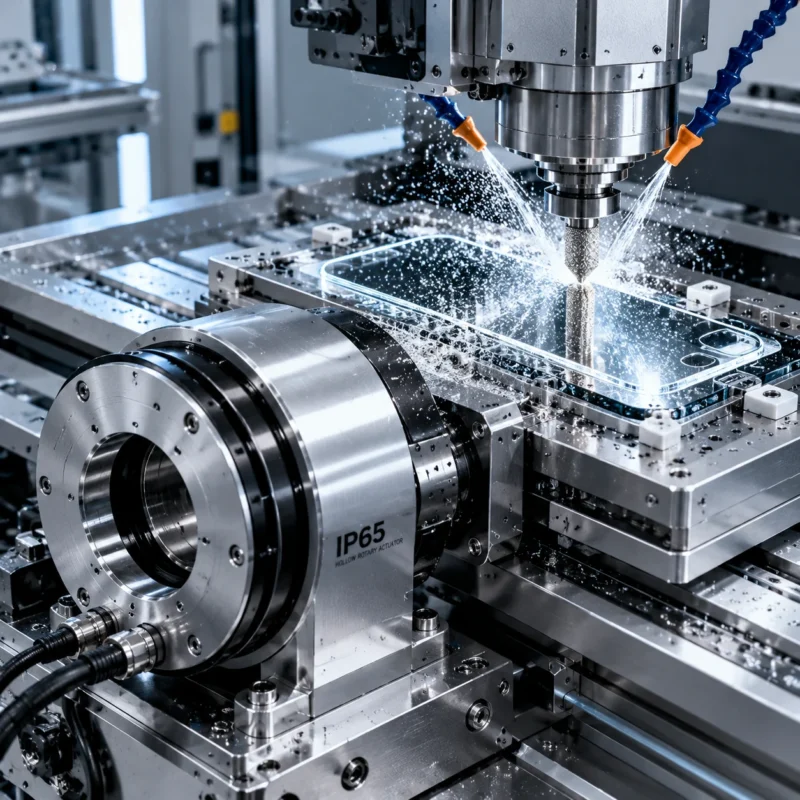
Achieving true contamination-free operation begins with robust mechanical sealing. Actuators used in biotech applications utilize fully enclosed, IP65 or IP67-rated housings equipped with specialized O-rings and lip seals. This completely encapsulates any internal wear debris or lubricant, ensuring that nothing escapes into the sterile workspace.
Low-Outgassing Materials for Vacuum and Sterile Chambers
Many high-end automated liquid handlers and vacuum-based sample preparation tools operate inside sealed enclosures. Component manufacturers must use low-outgassing materials—such as passivated stainless steel, anodized aluminum, and specialized sealed bearings—to ensure that volatile compounds do not evaporate into the chamber and ruin sensitive biological assays.
Key Applications: Liquid Handling, Screening, and Sequencing
The demand for cleanroom-grade motion is most pronounced across three major life sciences applications.
Automated Pipetting and High-Throughput Screening (HTS)
High-throughput screening systems require robotic pipettors to transfer thousands of microliter-scale samples per day with absolute volume accuracy. This demands high-speed, vibration-free gantry motion combined with smooth rotary axes to orient multi-channel pipettes without splashing or spilling precious biological reagents.
Precision Positioning in Genome Sequencers
Genome sequencing equipment relies on optical scanning stages that must position flow cells with sub-micron precision. Any micro-vibration or thermal drift from the underlying drive system will blur the optical capture, leading to sequencing errors. Direct-drive technology and rigid, zero-backlash stages provide the absolute stability required for clear optical reading.
Conclusion: Pure Motion for Pure Science
In the realm of biotechnology and life sciences, precision is only half the battle. A mechanical system can be accurate to the nanometer, but if it sheds dust or leaks oil, it fails the fundamental requirement of the application.
By prioritizing cleanroom automation principles—such as fully sealed housings, chemical resistance, and contamination-free direct-drive mechanics—equipment designers can build laboratory instruments that protect sample integrity while delivering elite performance. Pure science demands pure motion, and advanced engineering is the key to achieving it.
FAQ Section: Cleanroom Automation Engineering Q&A
Q1: What makes an actuator compatible with ISO Class cleanrooms?
ISO Class cleanroom compliance (such as ISO Class 5 or Class 7) is determined by the number and size of particles permitted per cubic meter of air. An actuator achieves compatibility through a completely sealed exterior, zero-wear internal kinematics (like direct-drive or enclosed gearing), and the use of non-shedding, low-outgassing materials.
Q2: Can cleanroom automation components withstand vaporized hydrogen peroxide (VHP) sterilization?
Yes, but specialized material selection is required. While standard aluminum or mild steel can corrode under aggressive VHP exposure, cleanroom-grade actuators use hard-anodized coatings, electropolished 316 stainless steel, and specialized seal polymers (like EPDM or Viton) that resist chemical breakdown during sterilization cycles.
Q3: How do frameless motors help reduce particle generation compared to housed motors?
Frameless motors consist solely of a bare stator and rotor, which are integrated directly into the machine’s sealed structural chassis. This eliminates the need for a separate motor housing, extra bearings, and mechanical couplings—all of which are traditional sources of mechanical friction and potential particle shedding.